
- Email info@shantijuniors.com
- Phone +91 99796 66660

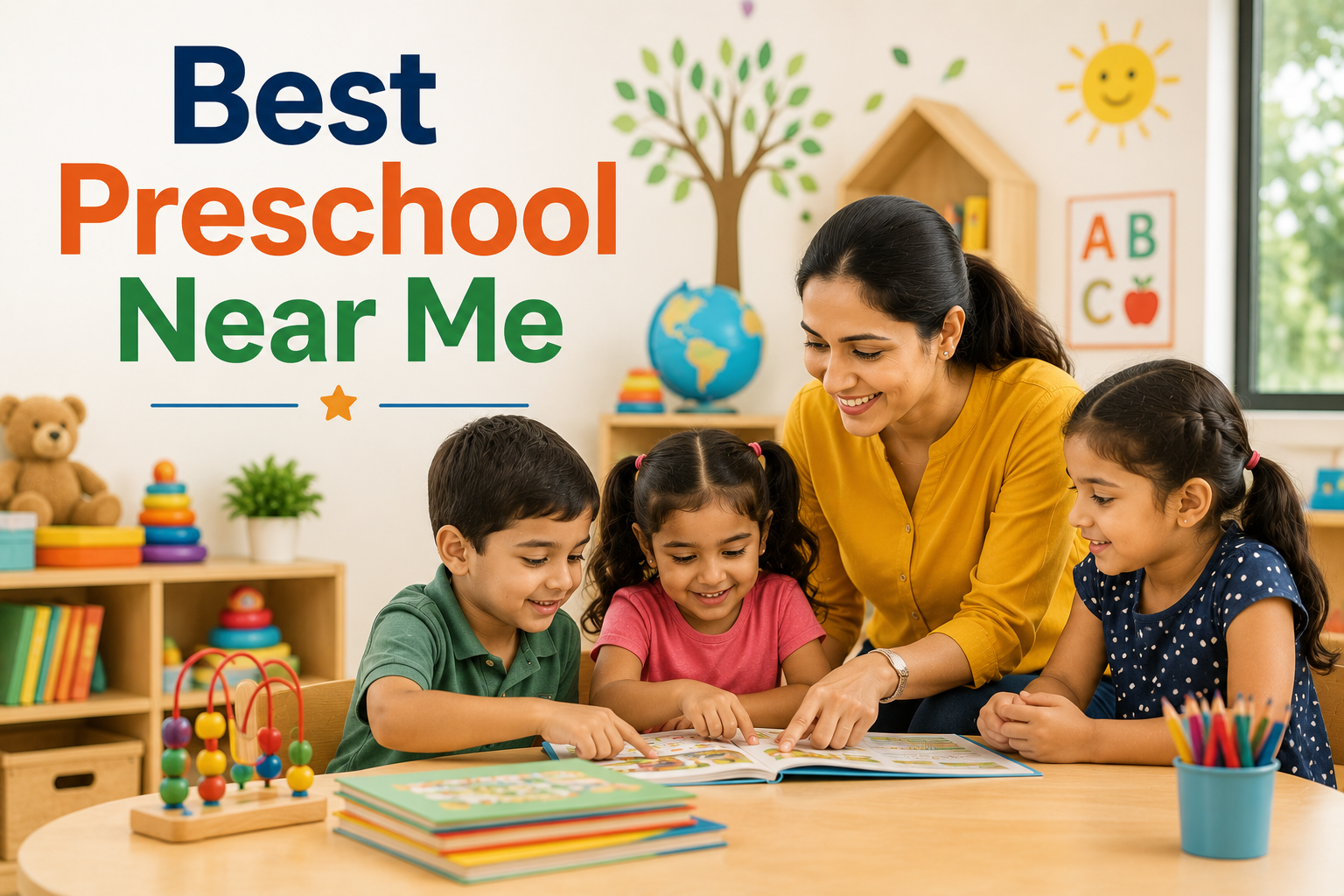
Finding the right preschool for your child is a crucial decision that can significantly impact their early development. Parents often seek preschools that not only provide a nurturing environment but also focus on structured preschool programs that emphasize play-based learning. This article will guide you through the essential aspects of selecting the best preschools near you, including insights into admissions processes, curriculum options, and factors that define quality in early childhood education. Many parents face challenges in navigating the myriad of choices available, but understanding what to look for can simplify the process. We will explore the top preschools, admission criteria, affordable options, curriculum ideas, and the importance of safety and teacher qualifications to help you make an informed choice with confidence.
Choosing the right preschool involves evaluating several key factors that contribute to a child’s early education experience. The best preschools prioritize a well-rounded curriculum, qualified teachers, and a safe environment. Parents should consider the school’s philosophy, teaching methods, and the overall atmosphere when making their decision. Understanding these elements can help parents identify which preschools align with their educational values and their child’s needs. Visiting schools and engaging with staff can also provide valuable firsthand insights.
Quality in local preschools is determined by several critical factors:
These factors collectively contribute to a nurturing environment that supports child development and overall well-being.
Parent reviews and testimonials play a significant role in influencing preschool choices. They provide real-world insights into the strengths and weaknesses of local preschools. Parents often share their experiences regarding the quality of education, teacher interactions, and the overall environment. By analyzing patterns in feedback, prospective parents can gain a clearer understanding of what to expect from a particular preschool, helping them make informed decisions. Additionally, online forums and social media groups can be valuable resources for gathering diverse opinions.
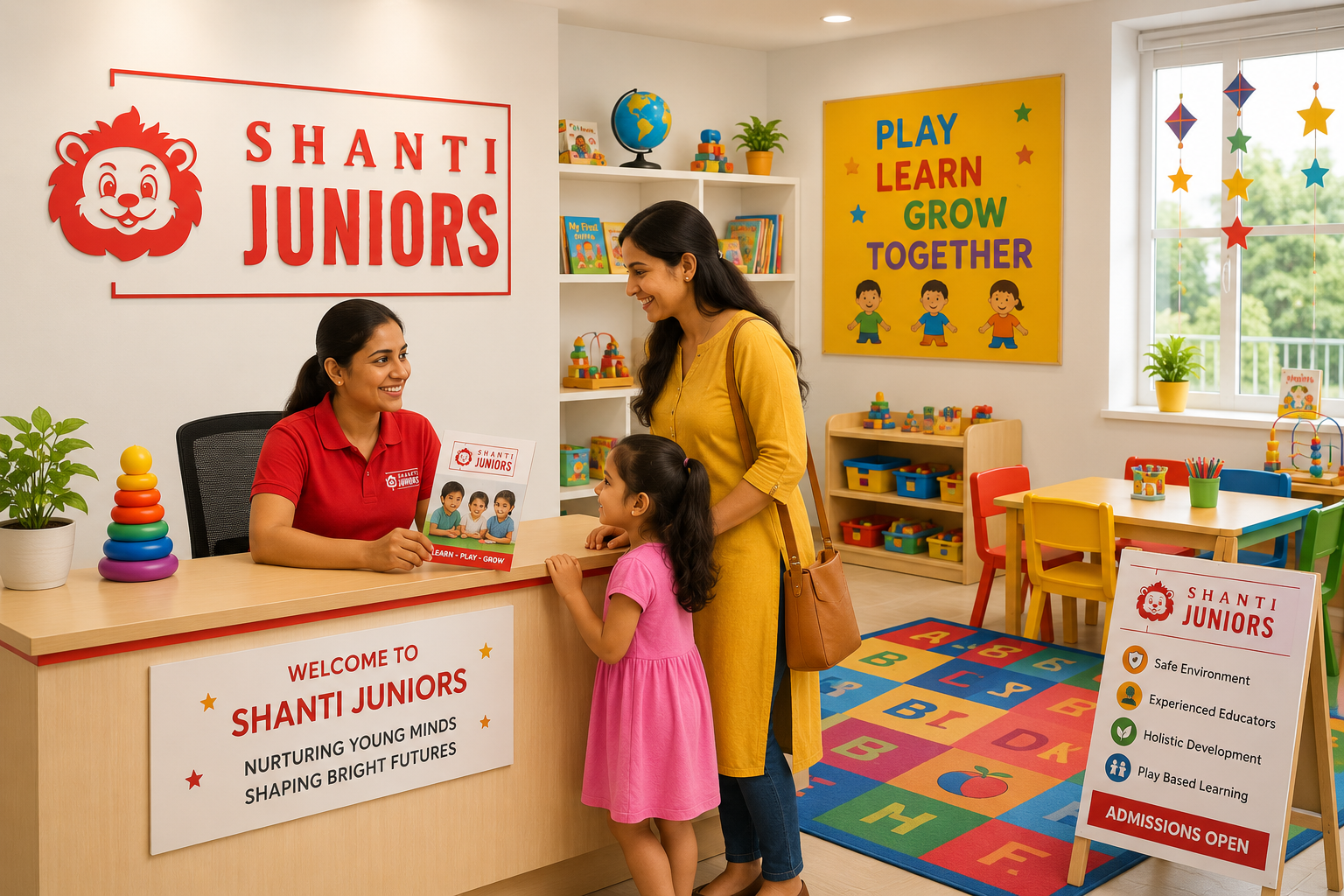
Understanding the preschool admission process is crucial for parents looking to enroll their children in preschools. Each institution may have its own set of guidelines, but there are common steps that most schools follow.
Admission criteria typically include:
These criteria ensure that children are placed in an appropriate learning environment that matches their developmental stage.
Preparing for the preschool admission process involves several key steps:
By taking these steps, parents can streamline the admission process and increase their chances of securing a spot in their desired preschool.
Affordability is a significant concern for many families when selecting a preschool. Fortunately, there are various options available that provide quality education without breaking the bank.
When comparing fees and facilities, consider the following:
This comparative analysis can help parents find a preschool that fits their budget while still meeting their educational standards.
Franchise preschools often provide competitive pricing due to their established brand and resources. These schools typically have standardized curricula and training for teachers, ensuring a consistent quality of education. Parents should explore local franchise options to see if they offer the right balance of affordability and quality. Additionally, franchises may offer scholarships or discounts that can make enrollment more accessible.
A well-designed curriculum is vital for supporting child development in preschools. Various approaches can enhance learning experiences for young children.
Scholarly work further explores the theoretical and practical aspects of teaching within a play-based curriculum, highlighting its role in developmental education for young children.
Play-Based Curriculum & Developmental Education
of teaching in a play-based curriculum, which has become an issue of international relevance. As a domain of study, the Developmental Education in a play-based curriculum for early
Teaching in a play-based curriculum: Theory, practice and evidence of developmental education for young children, B Van Oers, 2013
Activities that promote cognitive and social skills include:
These activities are essential for holistic development, allowing children to explore their interests and build essential life skills.
Play-based learning approaches enhance early education by allowing children to learn through exploration and discovery. This method encourages:
These elements contribute to a rich learning environment that supports overall child development.
Further research emphasizes the importance of a holistic support framework, including teacher pedagogy and home-school cooperation, for effective play-based learning in kindergartens.
Holistic Support for Play-Based Learning in Kindergartens
Using a holistic support framework, this study investigated teachers’ conceptions of effective play-based learning development and how their perceptions of its effectiveness related to whole-child development. Data were collected from a mixed method study. A total of 286 questionnaires from 50 Hong Kong kindergartens were collected and then 29 principals, head teachers and teachers were interviewed after the completion of the survey. Results of quantitative analyses showed that school collaborative culture facilitated various aspects of children’s development through the mediation of teachers’ enactment of play pedagogy and home-school cooperation. Qualitative interview data also confirmed the survey results that the roles and functions of parents and teachers were significant in supporting the implementation of play-based learning in kindergarten settings. Findings of the study have shed light on the conceptualizations of effective play-based learning which are perceived by teachers as part of a school collaborative culture, teachers’ enactment of play pedagogy and home-school cooperation. The practical and policy implications of the study may suggest adopting a holistic support model in the analysis and actively seeking to integrate parents, teachers and kindergartens in constructing an optimal play learning experience for young children.
Towards holistic supporting of play-based learning implementation in kindergartens: A mixed method study, CPC Keung, 2019
Safety and teacher qualifications are critical components of quality in preschools. Parents should prioritize these factors when selecting a preschool.
Common safety protocols in local preschools include:
These protocols help create a secure environment where children can learn and play without fear.
Qualified teachers are essential for early childhood education because they bring expertise and experience to the classroom. Their qualifications ensure that they can:
The presence of qualified teachers significantly enhances the educational experience for young children.
Studies underscore that continuous professional development and support for teachers are crucial for enhancing the quality and effectiveness of play-based learning curricula.
Enhancing Play-Based Learning Through Teacher Support
one-year or one-and-a-half-years in length of professional support and consultation related to effective teaching and learning in play-based learning from a university professional team.
Developing kindergarten teacher capacity for play-based learning curriculum: a mediation analysis, A Cheung, 2022
For those interested in starting their own preschool, exploring franchise opportunities can be a viable option. Franchising offers a way to enter the early childhood education market with established support.
Joining a preschool franchise typically involves:
The benefits of franchising include access to a proven business model, marketing support, and training resources, which can reduce the risks associated with starting a new preschool.
Franchise expansion can positively impact local preschool availability by:
This expansion can enhance the overall landscape of early childhood education in the community.
Parents often seek preschools that not only provide a nurturing environment but also focus on structured preschool programs that emphasize play-based learning. For more information, you can explore “about” the school’s philosophy and approach.
Understanding the preschool “admission process” is crucial for parents looking to enroll their children in preschools.
For those interested in starting their own preschool, exploring “franchise opportunities” can be a viable option.
A well-designed curriculum is vital for supporting child development in preschools. To gain “educational insight” into curriculum ideas, explore various approaches that can enhance learning experiences for young children.
Comments are closed