
- Email info@shantijuniors.com
- Phone +91 99796 66660

By Vishal Chiripal, Shanti Juniors
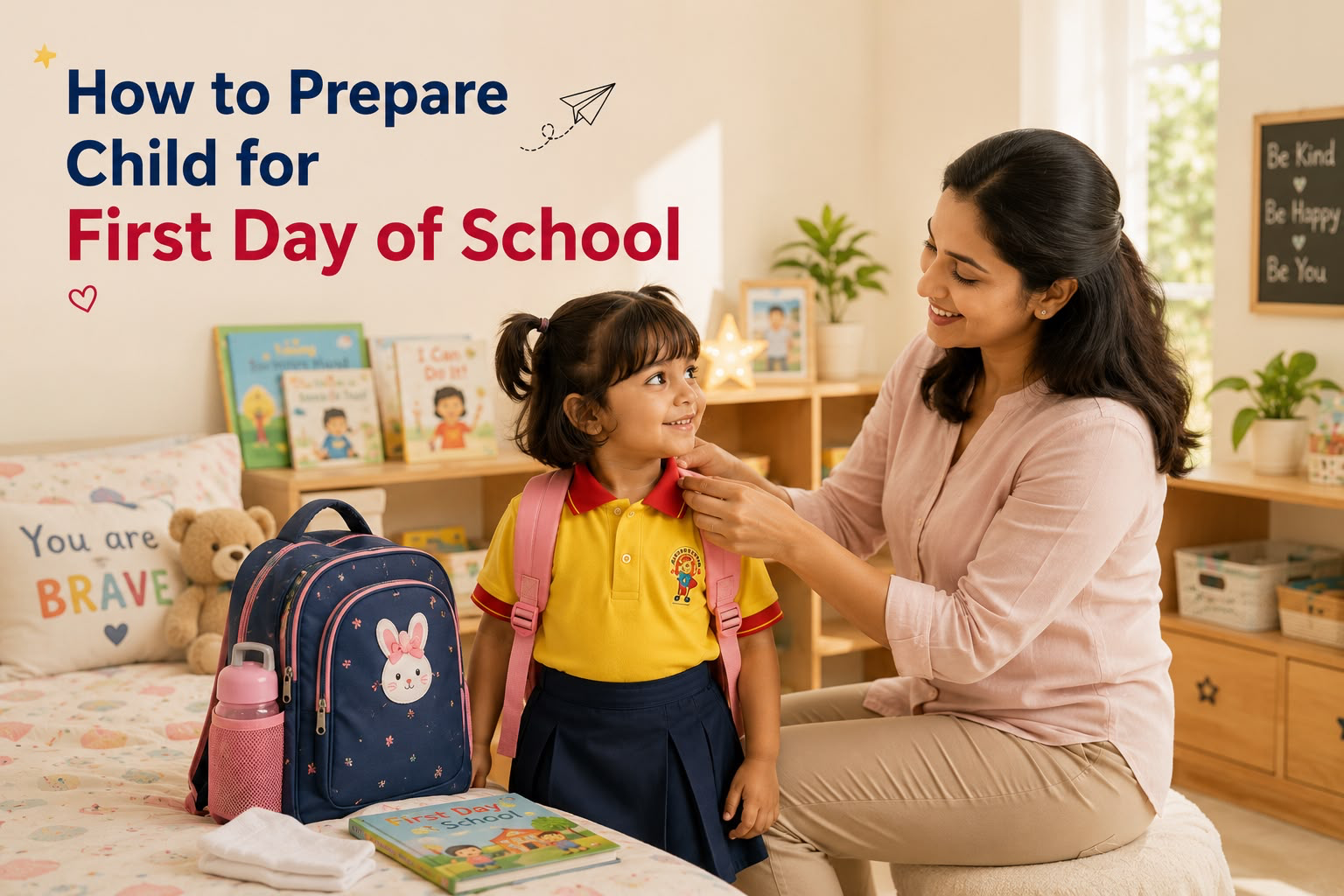
The first day of preschool is a significant milestone for both children and parents. It’s often accompanied by a mix of excitement and anxiety, making preparation critical for a smooth transition. In this comprehensive guide, you will learn effective strategies to prepare your child emotionally and practically for preschool. Knowing what to expect and addressing common fears can significantly reduce anxiety. This article will cover essential tips to ease anxiety, identify readiness signs, manage separation anxiety, and enhance overall preschool readiness through play-based learning and emotional support.
Easing anxiety for your child and building their confidence is paramount as they transition into preschool. To accomplish this, consider the following actionable tips:
Focusing on these strategies will not only help mitigate anxiety but also foster a positive outlook toward their new learning environment, empowering them for their first day.
Understanding whether your child is ready for preschool involves recognizing a few key developmental milestones. For insights into the educational philosophy and approach that fosters readiness, consider exploring different methodologies.
Emotional readiness signifies that your child can navigate social environments with some independence, displaying behaviors like the ability to express feelings and cope with anxiety. A child who can articulate their emotions—whether they feel excited or nervous—is better equipped to handle the preschool setting.
Another crucial area for readiness is social skills, which includes sharing toys and cooperating in group activities. Children who understand these interactions are more likely to thrive in a preschool environment, making it essential to practice these skills before the big day.
Language skills play a major role in preschool readiness. A child should have a vocabulary size that enables them to engage in simple conversations. Comprehension of sentence structures is equally critical as it helps them follow group instructions and interact effectively with peers and teachers.
Separation anxiety is a common concern for many children and parents. However, acknowledging and managing this anxiety can significantly improve the preschool experience.
One effective way to ease separation anxiety is by practicing short separations. Gradually increasing time apart, starting with smaller periods, can help your child adjust. Moreover, establishing a clear goodbye routine provides reassurance and fosters trust.
First-day jitters are normal, and having calming techniques on hand can help both you and your child. Some suggested methods include:
Implementing these calming techniques offers your child a sense of control and comfort on their first day.
The support of both parents and teachers plays a critical role in easing anxiety. Children who feel secure in their emotional connections are better equipped to explore new environments.
As a parent, ensure you communicate openly. Talk with your child about their feelings regarding preschool, validating their emotions while offering encouragement. Meanwhile, teachers at institutions like Shanti Juniors play a pivotal role in providing comfort and understanding. They build rapport with children, creating a nurturing environment where children can thrive. You may learn more about their about Shanti Juniors to understand their approach.
Identifying signs of readiness involves keen observation of your child’s behavior and development. Indicators include:
These signs can guide you in deciding when your child is ready for the preschool experience.
To effectively manage and ease separation anxiety, create positive preschool experiences through small daily separations at home. During these short departures, reassure your child that you will return. This practice builds their confidence and reduces anxiety associated with being apart.
Additionally, it is essential to provide your child with a clear understanding of their preschool schedule. Share what their day will look like, helping them visualize their experience and setting expectations correctly.
First-day preschool anxiety can be addressed through several effective techniques. Preparing your child can significantly lessen their fears. Some methods include:
Implementing these techniques alongside your child’s preparation ensures they feel secure and confident.
Creating a structured preschool routine before the school year starts is crucial for easing the transition for your child.
To do this effectively, consider the following steps:
By adopting these practical steps, you can help your child feel secure and prepared for their new journey. If you’re considering enrollment, exploring the preschool admission process is a key step.
A play-based learning environment fosters exploration, socialization, and cognitive development, which are essential for early education. By engaging children in play, they can learn critical skills such as problem-solving and cooperation naturally.
This study demonstrates how play-based education effectively prepares children for successful kindergarten experiences by fostering traits like being a learner, explorer, communicator, and empathizer.
Play-Based Learning for Preschool Readiness and Success
1. This cross-case study research investigated the school readiness of four 5-year-old children entering kindergarten during the 2020–2021 school year. These children had received three or more years of play-based early childhood education at a Reggio Emilia-inspired center. Data collection involved a series of three 1-hour individual interviews with four mothers and three kindergarten teachers, field visits conducted during remote learning, and artifact collection throughout the school year. Themes delineating the children’s school readiness were developed via cross-case analysis. Participants characterized the children as learners, explorers, communicators, and empathizers. The ‘learner’ theme focused on the children’s responsiveness to instruction; the ‘explorer’ theme described their approach to learning; the ‘communicator’ theme highlighted their proficiency in social connection and self-advocacy; and the ’empathizer’ theme demonstrated the thoughtfulness and emotional sensitivity these children exhibited. The findings suggest that play-based learning effectively prepared these children for successful kindergarten experiences and constitutes a viable early childhood education pedagogy for fostering school readiness. Entering kindergarten after years of play: A cross-case analysis of school readiness following play-based education, 2024
At institutions like Shanti Juniors, educators focus on integrating play with learning to ensure children feel at ease while gaining knowledge. This method not only supports school readiness but also encourages a lifelong love for learning.
Play-based learning boosts a child’s confidence and independence by providing opportunities to make choices and solve problems on their own. Children who engage in play learn to express their thoughts and ideas, bolstering their self-esteem.
Moreover, as children navigate different play scenarios, they develop social and emotional skills crucial for their interactions. This solid foundation fosters a supportive space for your child to explore their independence, preparing them to tackle challenges in preschool.
Teachers in preschool settings play an instrumental role in helping children adjust emotionally to the school environment. By building trust and rapport, they contribute significantly to easing separation anxiety.
Preschool educators are trained to recognize signs of distress in children and provide comforting support. Their understanding of each child’s emotional needs facilitates smooth transitions, ensuring that your child feels safe and cared for each day.
Supporting your child’s independence can start at home. Parents can provide opportunities for children to engage in self-care tasks, such as dressing themselves or tidying their belongings.
Furthermore, praising their efforts, rather than just the outcomes, reinforces a growth mindset within your child. By celebrating small victories, you encourage confidence which will further enhance their ability to adapt to new environments like preschool.
Engaging in school readiness activities at home can significantly foster independence in your child. Some beneficial activities include:
Maintaining consistency with these activities will prepare your child for the expectations within a preschool environment.
Open communication between parents and children is critical in fostering positive experiences on the first day of school. Start by discussing their feelings, welcoming both excitement and anxiety.
Additionally, encourage your child to ask questions about their new school environment. Regular discussions about their day at preschool can further reinforce the bond and cultivate trust in sharing their experiences.
Many parents share similar concerns regarding preschool preparation. Common questions include:
These inquiries reflect the shared desire for a smooth transition, emphasizing the need for dedication in preparation.
To help your child adjust emotionally, reassure them using calming techniques like role-playing and storytelling about their upcoming experiences. Keeping a close line of communication with their teachers can ensure that both you and your child regularly discuss feelings and anticipations.
Additionally, collecting feedback from the preschool environment enables parents to observe how their child is progressing emotionally. This reciprocal relationship bolsters a focused approach to emotional adjustments needed for the transition.
Experts recommend that parents establish preschool routines several weeks prior to the first day. This gradual introduction helps children acclimate to the upcoming changes.
Introduce the routine progressively, assuring your child that these changes will fit into their existing lifestyle. Implementing a structured bedtime and morning routine that mimics the preschool schedule lays a solid foundation for ease of adjustment.
Completing admission tasks can pave the way for a smoother transition. Familiarize your child with the preschool environment through casual visits prior to the start date. Additionally, meeting future classmates can provide comfort by establishing social connections before their first day. Consider the admission process to streamline this.
Creating a checklist or visual guide can enhance your child’s understanding and preparedness for preschool. List tasks needed before school starts, including buying supplies and preparing lunchboxes, to empower your child in the process.
Visual aids can clearly illustrate what a typical day at preschool looks like, allowing your child to visualize their daily routine and fostering enthusiasm about upcoming experiences.
An effective first-day preparation checklist should consist of:
This checklist fosters excitement and reduces anxiety on the big day.
Visual aids, such as infographics and charts, provide structured guides to help your child understand their daily schedule. Having a tangible reference allows your child to feel more in control over their new routine, enhancing their confidence and reducing uncertainty.
In a nurturing educational setting like Shanti Juniors, visual aids can also supplement the learning experience, reinforcing information and improving retention, thus fostering a supportive atmosphere for preschool readiness.
Comments are closed