Why Choose I-Cube's Curriculum for Your Child's Growth?
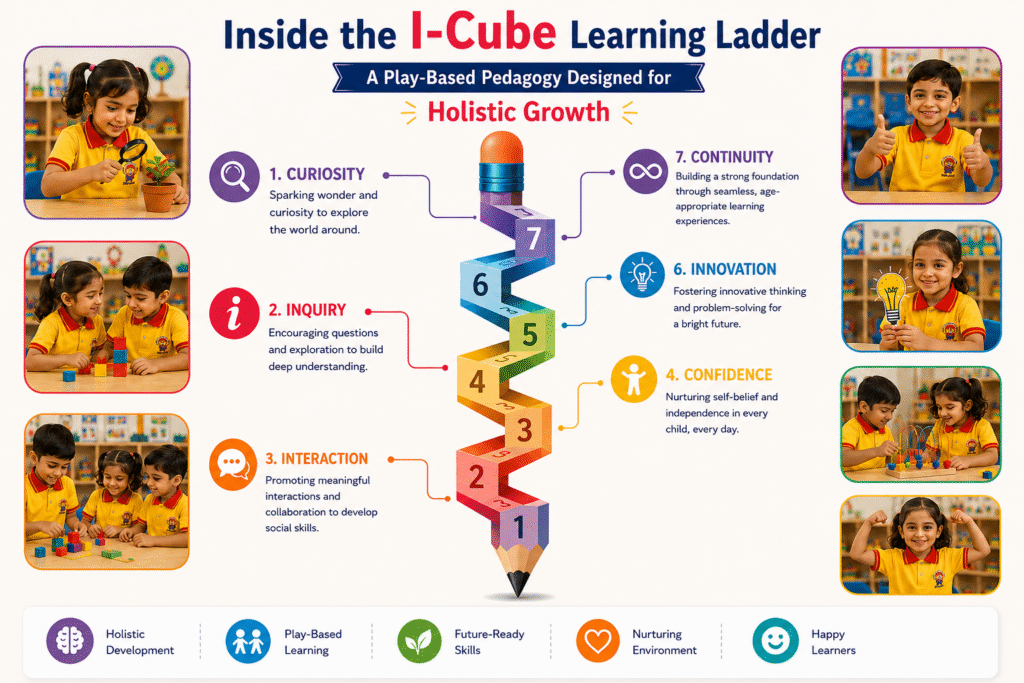
Inside the I-Cube Learning Ladder: A Play-Based Pedagogy Designed for Holistic Growth
The I-Cube Learning Ladder represents a transformative approach to early childhood education, emphasizing play-based learning as a fundamental mechanism for holistic growth. This innovative pedagogy not only nurtures cognitive development but also fosters emotional and social skills in preschoolers. As educators and parents seek effective methods to support children’s growth, understanding the I-Cube Learning Ladder’s principles becomes essential. This article will explore the core components of this learning framework, its integration with the Shanti Juniors curriculum, and best practices for implementing play-based learning in preschool settings. By addressing the significance of play in early education, we aim to provide insights into how this approach can enhance children’s overall development.
What Is the I-Cube Learning Ladder and Its Role in Early Childhood Education?
The I-Cube Learning Ladder is a structured framework designed to facilitate holistic development in early childhood education through play-based pedagogy. This model emphasizes the importance of engaging children in playful activities that stimulate their natural curiosity and creativity. By integrating various learning domains, the I-Cube Learning Ladder supports a comprehensive educational experience that nurtures cognitive, emotional, and social growth. Its role in early childhood education is pivotal, as it aligns with contemporary educational philosophies that prioritize child-centered learning and developmentally appropriate practices.
How Does the I-Cube Learning Ladder Define Play-Based Pedagogy?
Play-based pedagogy, as defined by the I-Cube Learning Ladder, is an educational approach that utilizes play as a primary vehicle for learning. This method encourages children to explore, experiment, and engage with their environment in a meaningful way. Key characteristics of play-based pedagogy include:
- Child-Led Exploration: Children take the initiative in their learning, choosing activities that interest them.
- Interactive Learning: Play fosters social interactions, allowing children to collaborate and communicate with peers.
- Integration of Learning Domains: Activities are designed to encompass various developmental areas, including cognitive, emotional, and physical growth.
The benefits of this approach are profound, as it not only enhances children’s learning experiences but also promotes a love for learning that can last a lifetime.
Which Child Development Outcomes Does the I-Cube Learning Ladder Support?
The I-Cube Learning Ladder supports several critical child development outcomes, which are essential for holistic growth. These outcomes include:
- Cognitive Development: Engaging in play-based activities enhances problem-solving skills, critical thinking, and creativity.
- Emotional Development: Play allows children to express their feelings, develop empathy, and build resilience.
- Social Development: Through collaborative play, children learn to navigate social interactions, develop communication skills, and foster friendships.
By focusing on these outcomes, the I-Cube Learning Ladder ensures that children are well-prepared for future academic and social challenges.
What Are the Core Principles of Play-Based Learning in Preschool Programs?
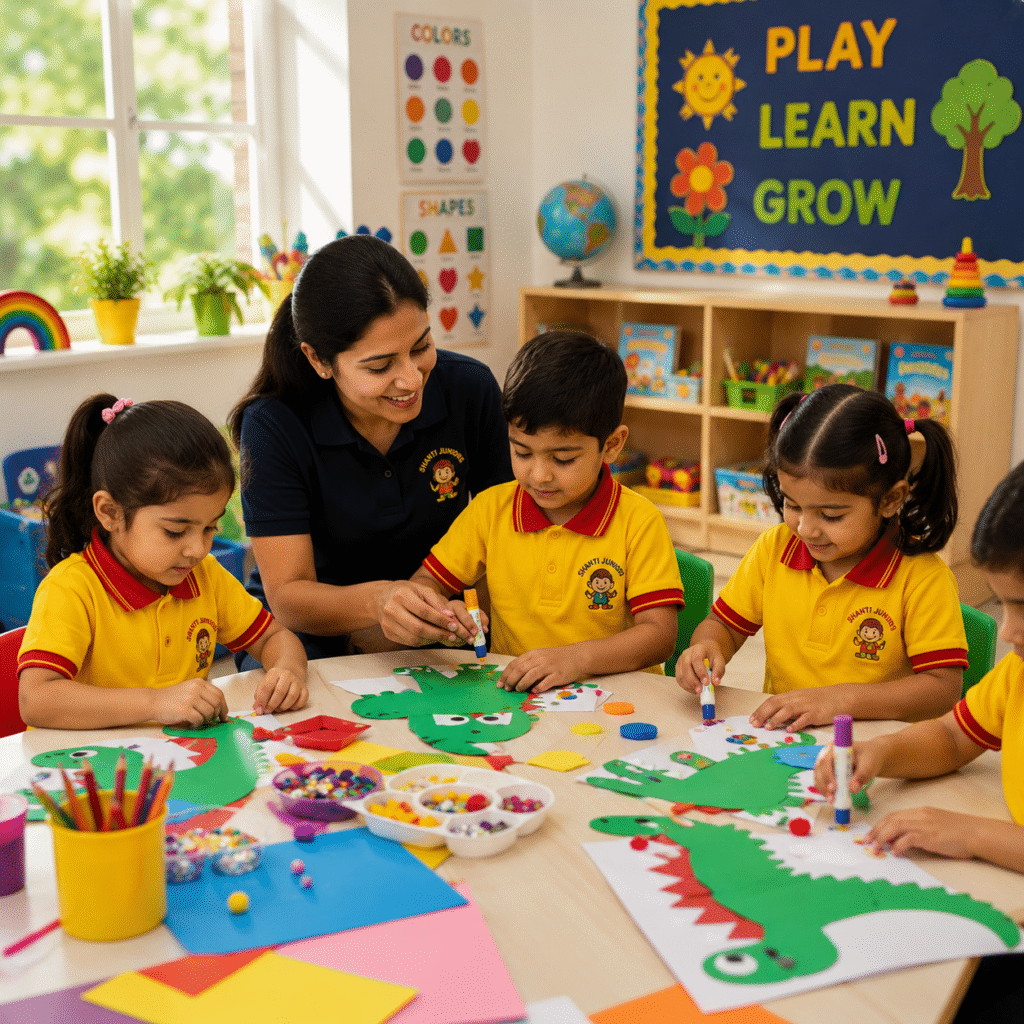
Play-based learning is grounded in several core principles that guide its implementation in preschool programs. These principles emphasize the significance of play in fostering a child’s overall development.
How Does Play-Based Learning Enhance Cognitive and Emotional Development?
Play-based learning enhances cognitive and emotional development by providing children with opportunities to engage in meaningful experiences. Research indicates that children who participate in play-based activities demonstrate improved cognitive skills, such as memory retention and problem-solving abilities. Additionally, play fosters emotional growth by allowing children to express their feelings and learn to manage their emotions in a safe environment. This dual focus on cognitive and emotional development is crucial for preparing children for future academic success and personal well-being.
The Impact of Play-Based Learning on Cognitive and Emotional Development
This study investigated the impact of play-based learning on the cognitive and social-emotional development of young children within a nature-based early childhood education environment. The research specifically aimed to enhance problem-solving abilities, creativity, and critical thinking, while also fostering collaboration between educators and parents. Play-based learning is broadly acknowledged for its role in promoting essential early childhood skills.
Play-based learning and child cognitive-emotional development in nature-based programs, A Qayyum, 2024
What Are Examples of Creative Preschool Activities Supporting Holistic Growth?
Creative preschool activities that support holistic growth are diverse and engaging. Examples include:
- Role-Playing Games: These activities encourage children to explore different roles and scenarios, enhancing their social skills and emotional understanding.
- Art Projects: Engaging in creative arts allows children to express themselves and develop fine motor skills.
- Outdoor Exploration: Nature-based activities promote physical health and cognitive curiosity, as children discover the world around them.
Implementing these activities in preschool settings can significantly contribute to children’s holistic development.
How Is the Shanti Juniors Curriculum Integrated with the I-Cube Learning Ladder?
The Shanti Juniors curriculum is designed to complement the I-Cube Learning Ladder, providing a cohesive educational experience that emphasizes play-based learning. This integration ensures that children receive a well-rounded education that addresses their developmental needs.
What Curriculum Components Reflect Play-Based Pedagogy in Shanti Juniors?
Key components of the Shanti Juniors curriculum that reflect play-based pedagogy include:
- Interactive Learning Centers: These centers are equipped with materials that encourage exploration and creativity.
- Thematic Units: The curriculum incorporates themes that resonate with children’s interests, making learning relevant and engaging.
- Assessment Through Observation: Educators assess children’s progress through observation during play, allowing for a more holistic understanding of each child’s development.
These components work together to create an enriching learning environment that aligns with the principles of the I-Cube Learning Ladder.
How Do Creative Learning Activities Align with Holistic Preschool Curriculum Goals?
Creative learning activities align with holistic preschool curriculum goals by fostering an environment where children can thrive. These activities not only support academic learning but also promote social and emotional skills. For instance, collaborative art projects encourage teamwork and communication, while outdoor play enhances physical health and cognitive development. By integrating creative activities into the curriculum, educators can ensure that children are developing in all areas of growth.
What Are the Best Practices for Designing Holistic Preschool Curricula Using Play-Based Approaches?
Designing holistic preschool curricula using play-based approaches requires careful consideration of best practices that support children’s development.
How Can Educators Measure Child Development Progress in Play-Based Programs?
Educators can measure child development progress in play-based programs through various assessment strategies, including:
- Observational Assessments: Regularly observing children during play provides insights into their developmental milestones and areas for growth.
- Portfolio Development: Collecting samples of children’s work and documenting their learning journeys helps track progress over time.
- Parent-Teacher Conferences: Engaging with parents to discuss their child’s development fosters a collaborative approach to education.
These measurement strategies ensure that educators can effectively support each child’s unique developmental path.
Which Early Childhood Development Programs Exemplify Holistic Growth Principles?
Several early childhood development programs exemplify holistic growth principles, showcasing effective play-based learning strategies. Notable examples include:
- Montessori Programs: These programs emphasize child-led learning and hands-on activities, fostering independence and critical thinking.
- Reggio Emilia Approach: This approach values children’s voices and encourages exploration through creative expression.
- HighScope Curriculum: Focused on active participatory learning, this curriculum promotes cognitive and social development through structured play.
These programs serve as models for implementing holistic growth principles in early childhood education.
How Do Creative Learning Activities Foster Engagement and Development in Preschoolers?
Creative learning activities play a vital role in fostering engagement and development in preschoolers. By providing opportunities for exploration and self-expression, these activities capture children’s interest and motivate them to learn.
What Types of Interactive Learning Activities Support Emotional and Social Skills?
Interactive learning activities that support emotional and social skills include:
- Group Games: These activities encourage teamwork and cooperation, helping children develop social skills.
- Storytelling Sessions: Sharing stories fosters empathy and emotional understanding as children connect with characters and narratives.
- Music and Movement Activities: Engaging in music and dance promotes physical coordination and emotional expression.
These interactive experiences are essential for nurturing emotional intelligence and social competence in young children.
How Can Parents and Educators Implement Creative Activities at Home and School?
Parents and educators can implement creative activities at home and school by:
- Creating a Stimulating Environment: Providing access to art supplies, books, and outdoor spaces encourages exploration and creativity.
- Encouraging Open-Ended Play: Allowing children to engage in unstructured play fosters imagination and problem-solving skills.
- Collaborating on Projects: Involving children in family or classroom projects promotes teamwork and shared learning experiences.
By fostering an environment that values creativity, both parents and educators can significantly enhance children’s development.
What Should Parents Know About Selecting the Best Nursery School Curriculum in 2026?
As parents consider nursery school options for their children, understanding the key factors in selecting the best curriculum is crucial.
How Does the I-Cube Learning Ladder Influence Preschool Admissions Decisions?
The I-Cube Learning Ladder influences preschool admissions decisions by emphasizing the importance of play-based learning in early childhood education. Schools that adopt this framework are often viewed favorably by parents seeking a holistic approach to their child’s development. Admissions committees may prioritize applicants from programs that align with the I-Cube Learning Ladder, recognizing the value of a strong foundation in play-based pedagogy.
What Are Key Factors in Evaluating Holistic Preschool Curriculum Quality?
When evaluating holistic preschool curriculum quality, parents should consider several key factors:
- Alignment with Developmental Standards: The curriculum should align with recognized developmental milestones and educational standards.
- Focus on Play-Based Learning: A strong emphasis on play as a learning tool is essential for fostering engagement and growth.
- Qualified Educators: The experience and training of educators play a significant role in the effectiveness of the curriculum.
By focusing on these factors, parents can make informed decisions about their child’s educational path.
What Recent Research Supports the Effectiveness of Play-Based Learning Frameworks?
Recent research highlights the effectiveness of play-based learning frameworks in promoting child development. Studies consistently show that children engaged in play-based learning demonstrate better cognitive, social, and emotional outcomes compared to those in traditional educational settings.
Which 2024-2026 Studies Highlight Cognitive and Social Benefits of Play-Based Curricula?
Several studies conducted between 2024 and 2026 emphasize the cognitive and social benefits of play-based curricula. Key findings include:
- Enhanced Problem-Solving Skills: Children in play-based programs exhibit superior problem-solving abilities due to their engagement in hands-on activities.
- Improved Social Interactions: Research indicates that play fosters better social skills, as children learn to navigate relationships through collaborative play.
- Increased Motivation to Learn: Play-based learning environments create a sense of joy and curiosity, motivating children to explore and learn.
These findings underscore the importance of integrating play into early childhood education.
How Do Educational Organizations Endorse the I-Cube Learning Ladder Approach?
Educational organizations endorse the I-Cube Learning Ladder approach due to its alignment with contemporary educational philosophies that prioritize child-centered learning. Organizations recognize the framework’s effectiveness in promoting holistic development and its potential to prepare children for future academic success. Endorsements from respected educational bodies enhance the credibility of the I-Cube Learning Ladder, encouraging more schools to adopt this innovative approach.
How Can Structured Data and Multimedia Enhance Understanding of the I-Cube Learning Ladder?
Structured data and multimedia play a crucial role in enhancing understanding of the I-Cube Learning Ladder. By utilizing these tools, educators can effectively communicate the framework’s principles and benefits to parents and stakeholders.
What Schema.org Markup Types Best Represent Play-Based Curriculum Content?
Using Schema.org markup types can help represent play-based curriculum content effectively. Recommended markup types include:
- EducationalOrganization: Represents the educational institution implementing the curriculum.
- Course: Describes the specific curriculum components and learning objectives.
- CreativeWork: Highlights the various creative activities included in the curriculum.
Implementing these markup types can improve search visibility and provide clear information about the curriculum’s structure and goals.
How Do Infographics and Videos Illustrate Learning Ladder Stages and Activities?
Infographics and videos serve as powerful tools for illustrating the stages and activities of the I-Cube Learning Ladder. These visual aids can:
- Simplify Complex Concepts: Infographics break down the framework into easily digestible components, making it accessible to parents and educators.
- Showcase Real-Life Applications: Videos can demonstrate how play-based activities are implemented in the classroom, providing a clear picture of the learning process.
- Engage Audiences: Visual content captures attention and enhances understanding, making it an effective way to communicate the benefits of the I-Cube Learning Ladder.
By leveraging multimedia resources, educators can enhance the overall understanding and appreciation of this innovative educational framework.