When Should Your Child Start Preschool? The 2-Year Mark
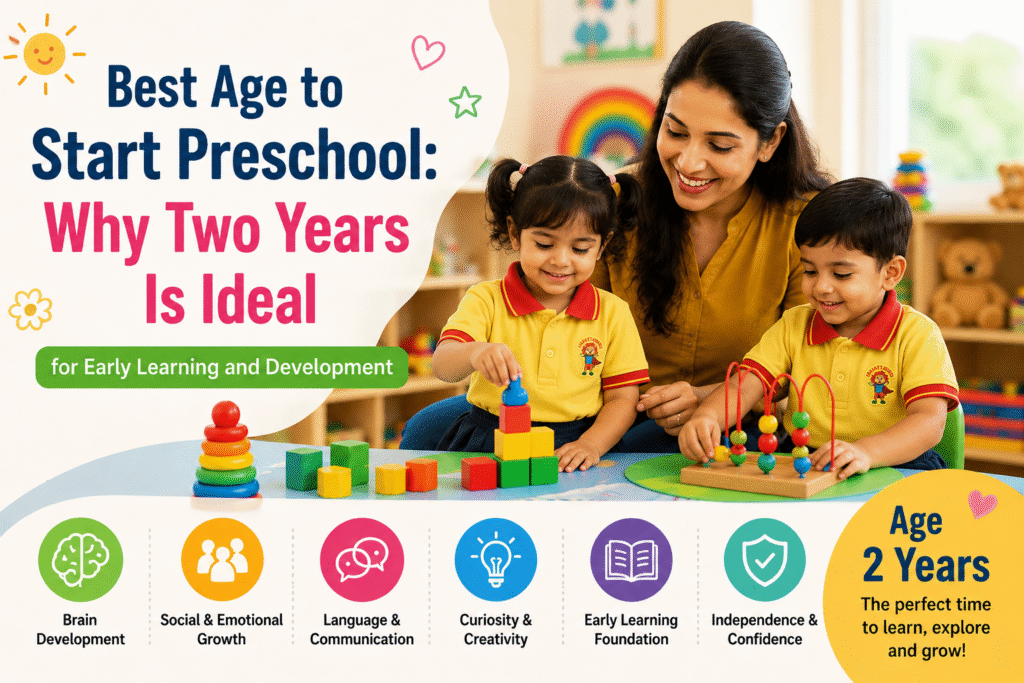
Best Age to Start Preschool: Why Two Years Is Ideal for Early Learning and Development
Starting preschool is a significant milestone in a child’s development, and determining the right age for this transition can be crucial for their future learning experiences. Research suggests that while two years old can be a beneficial age for some children to begin preschool, many educational experts advocate for starting preschool at age three as a more widely accepted standard. This aligns with various developmental milestones that support early learning. In this article, we will explore the key signs of preschool readiness for two-year-olds, the benefits of early enrollment, the enrollment process, and enrichment opportunities available beyond preschool. Understanding these aspects can help parents make informed decisions about their child’s educational journey.
What Are the Key Preschool Readiness Signs for Two-Year-Old Toddlers?
Identifying preschool readiness in toddlers involves recognizing specific developmental milestones and social skills that indicate a child is prepared for the structured environment of preschool. At this age, children typically exhibit a range of physical, cognitive, and emotional skills that suggest they are ready to engage in early learning experiences.
How Do Developmental Milestones Indicate Preschool Readiness at Age Two?
Developmental milestones are critical indicators of a child’s readiness for preschool. At two years old, toddlers should demonstrate:
- Physical Milestones: Ability to walk, run, and climb, which supports participation in physical activities.
- Language Development: A vocabulary of around 50 words and the ability to form simple sentences, facilitating communication with peers and teachers.
- Emotional Readiness: Displaying emotions appropriately and beginning to understand the feelings of others, which is essential for social interactions.
These milestones collectively suggest that a child is prepared to thrive in a preschool setting, where they will encounter new challenges and social dynamics.
Which Social and Cognitive Skills Should Toddlers Have Before Starting Preschool?
Before starting preschool, toddlers should develop essential social and cognitive skills, including:
- Communication Skills: The ability to express needs and feelings verbally, which aids in effective interaction with peers and educators.
- Interaction with Peers: Engaging in parallel play and beginning to share toys, fostering social relationships.
- Problem-Solving Abilities: Demonstrating curiosity and the ability to explore solutions to simple challenges, which is vital for learning.
These skills not only enhance a child’s readiness for preschool but also lay the foundation for future academic success.
Assessing Preschool Readiness: Parent Versus Teacher Perspectives
This study examines preschool readiness in children aged 3–4 years by comparatively analyzing parent and teacher assessments. While early childhood development is a crucial predictor of future academic success, a significant research gap persists regarding how various informants perceive developmental milestones during the initial transition to preschool.
Discrepancies in Assessing Preschool Readiness: A Comparative Study of Parent and Teacher Perspectives on Three-to-Four-Year-Olds, M Potmesil, 2026
What Are the Benefits of Early Preschool Enrollment at Age Two?
Enrolling a child in preschool at the age of two offers numerous advantages that can significantly impact their development. Early preschool experiences can enhance cognitive abilities, social skills, and overall readiness for future educational endeavors.
How Does Early STEM and Robotics Education Support Toddler Development?
Early exposure to STEM (Science, Technology, Engineering, and Mathematics) and robotics education can greatly benefit toddlers. Engaging in these activities promotes:
- Engagement in Learning: Interactive and hands-on experiences capture children’s interest and encourage exploration.
- Critical Thinking Skills: Problem-solving tasks foster analytical thinking and creativity.
- Hands-On Experiences: Activities involving building and experimentation enhance fine motor skills and cognitive development.
These educational approaches not only make learning enjoyable but also prepare children for a technology-driven future.
What Cognitive and Social Advantages Do Toddlers Gain from Starting Preschool Early?
Starting preschool at two years old provides toddlers with several cognitive and social advantages, such as:
- Improved Social Skills: Regular interaction with peers helps children develop empathy, cooperation, and conflict resolution skills.
- Enhanced Cognitive Abilities: Exposure to diverse learning activities stimulates brain development and enhances memory.
- Better School Readiness: Early preschool experiences equip children with the skills necessary for a smooth transition to kindergarten.
These benefits underscore the importance of early enrollment in fostering a child’s holistic development.
How Does the Preschool Enrollment Process Work for Two-Year-Olds?
Understanding the preschool enrollment process is essential for parents considering early education for their toddlers. This process typically involves several steps to ensure a smooth transition into preschool.
What Are the Age Requirements and Enrollment Steps for Toddlers?
The age requirements for preschool enrollment typically stipulate that children must be at least two years old by a specific cutoff date. The enrollment steps usually include:
- Application Submission: Parents fill out an application form, providing necessary information about their child.
- Documentation: Required documents, such as proof of age and immunization records, must be submitted.
- Interviews or Visits: Some preschools may require a visit or interview to assess the child’s readiness and fit for the program.
These steps help ensure that children are placed in an environment that meets their developmental needs.
Defining Quality in Early Childhood Education for Two-Year-Olds
It is widely accepted that ‘quality’ is both a necessary attribute in the provision of early childhood education (ECE) and an exceptionally challenging concept to define. Multiple interpretations coexist within individual organizations and the broader educational system. Drawing upon the work of Edgar Morin, the French philosopher and sociologist, this study employs critical complexity theory as both a theoretical and methodological framework to investigate how quality is conceptualized in relation to the policy of schools offering Free Early Learning (FEL) places for two-year-olds.
Why would schools choose to have two-year-olds? An exploration of’quality’from a complexity viewpoint., 2018
Which Programs and Courses Are Available for Two-Year-Old Preschoolers?
Preschools offer a variety of programs and courses tailored to the developmental stages of two-year-olds. Common options include:
- Play-Based Learning: Focuses on learning through play, allowing children to explore and discover at their own pace.
- Structured Curriculum: Introduces basic concepts in literacy, numeracy, and social skills through guided activities.
- Creative Arts Programs: Encourages self-expression through art, music, and movement, fostering creativity and confidence.
These programs are designed to engage young learners and support their growth in a nurturing environment.
Educator Preparedness for Two-Year-Olds in Kindergarten
This paper’s primary objective is to synthesize the perspectives of bachelor’s degree students from the Faculty of Education at Matej Bel University in Banská Bystrica regarding the education of two-year-old children in kindergartens and their perceived readiness to work with this age group within kindergarten settings.
Perceptions of the subjective readiness of female students of preschool and elementary education at the bachelor’s level to work with 2-year-old children in …, M Lipnická, 2023
What Enrichment Opportunities Are Available for Two-Year-Olds Beyond Preschool?
Beyond preschool, there are numerous enrichment opportunities that can further enhance a child’s development. These activities can provide additional learning experiences and social interactions.
How Do Summer Camps Enhance Early STEM and Robotics Learning?
Summer camps focused on STEM and robotics offer unique opportunities for two-year-olds to engage in learning outside the traditional classroom setting. Benefits include:
- Hands-On Learning: Camps often feature interactive projects that encourage exploration and creativity.
- Social Interaction: Children have the chance to make new friends and develop social skills in a fun environment.
- Skill Development: Activities designed to enhance problem-solving and critical thinking skills prepare children for future academic challenges.
These camps can be a valuable complement to preschool education, reinforcing skills learned in the classroom.
What Franchise and Institutional Partnerships Support Early Childhood Education?
Many preschools collaborate with franchises and institutions to enhance their educational offerings. These partnerships can provide:
- Access to Resources: Collaborations with educational organizations can offer specialized programs and materials.
- Expert Instruction: Partnerships with professionals in early childhood education can enhance teaching quality and curriculum development.
- Community Engagement: Local partnerships can foster a sense of community and support for families, creating a network of resources.
Such collaborations enrich the educational experience for young learners, ensuring they receive a well-rounded foundation for their future.
Ready to Start Your Child’s Preschool Journey?
Discover the best programs and resources tailored for two-year-olds to ensure a smooth and enriching start to their educational path.