Top Signs Your Child Is Ready for Preschool Admission Today
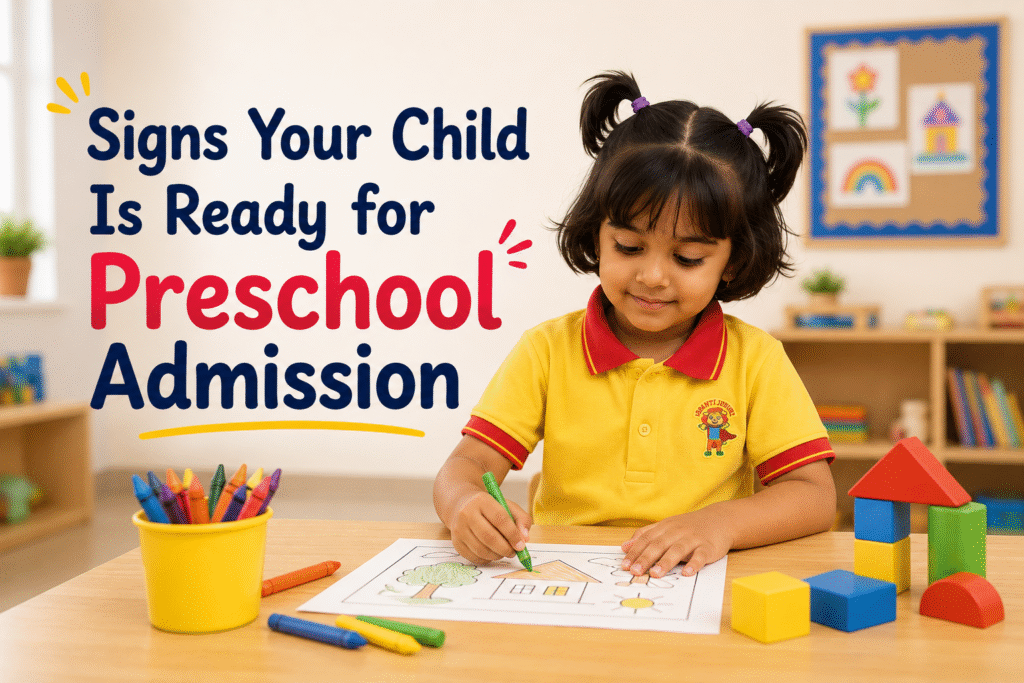
Determining whether your child is ready for preschool can be a pivotal moment in their early development. Many parents grapple with the myriad signs indicating their child’s readiness for this significant transition. In this comprehensive guide, we will delve into the essential emotional, social, and developmental indicators of preschool readiness, as well as practical ways parents can prepare their children for this important phase of education. Understanding these readiness signs will empower you to make informed decisions that align with your child’s individual needs. In addition, we will explore the unique offerings of Shanti Juniors, a leading preschool provider that emphasizes holistic child development through play-based learning. The following sections outline key emotional, social, communication, and developmental milestones that signal your child is ready for preschool.
What Are the Key Emotional Signs Your Child Is Ready for Preschool?
Emotional readiness is crucial for a child’s success in preschool. It entails a child’s ability to cope with feelings, form relationships, and engage in independent play. Signs of emotional readiness include being comfortable in new situations, exhibiting emotional stability, and expressing feelings openly. Recognizing these signs can help parents prepare their child for a smooth transition into the preschool environment, ultimately supporting their overall academic journey.
How Does Emotional Readiness Affect Preschool Admission Success?
Emotional well-being plays a significant role in achieving admission success. A child who feels emotionally stable is more likely to adjust well to the preschool setting, actively engage with peers, and effectively manage the pressures associated with a new environment. Emotional challenges, on the other hand, can hinder a child’s ability to learn and connect with educators. To enhance emotional readiness at home, parents can encourage their children to express emotions, practice problem-solving, and engage in play that fosters social interaction.
Which Confidence-Building Activities Help Prepare Children Emotionally?
To help children build emotional confidence, parents can engage them in various activities that promote self-esteem and independence. Practical exercises may include:
- Role-playing: Encourage children to act out different scenarios to build social skills.
- Group activities: Engage children in collaborative playdates to foster teamwork.
- Storytelling: Share stories that discuss emotions and problem-solving, helping children relate to different situations.
Participating in these activities can bolster a child’s emotional readiness, which is vital for a successful transition into preschool.
Which Social Interaction Skills Indicate Preschool Readiness?
Social interaction skills are another essential indicator of preschool readiness. Children who can effectively engage with their peers and adults tend to adapt better in preschool settings. Key skills include sharing, cooperation, and showing empathy towards others. Encouraging these social behaviors at home can significantly enhance your child’s readiness for preschool.
How Do Social Skills Support Smooth Transition to Preschool?
Effective social skills support a smoother transition by allowing children to form friendships and navigate new experiences more easily. Those with well-developed social skills can build connections and form bonds with classmates, creating a supportive network that enriches their preschool experience. For instance, children who can share toys and take turns demonstrate the ability to cooperate with others and enjoy group activities.
What Role Do Caring Educators Play in Social Confidence Development?
Caring educators play a pivotal role in fostering social confidence in children. They create nurturing environments where children feel safe to express themselves and interact with peers. For instance, teachers who encourage collaborative play can help children develop social skills essential for a successful preschool experience. Additionally, supportive educator interactions can have lasting effects on a child’s emotional and social development, providing a strong foundation for future learning.
What Communication Skills and Curiosity Signal Readiness for Preschool?
Developing effective communication skills and instilling a sense of curiosity are vital signs that a child is ready for preschool. Communication is not solely about speaking; it encompasses listening, and understanding nonverbal cues as well. Children who ask questions and show interest in their surroundings demonstrate a readiness to engage in the dynamic learning environments of preschools.
How Important Is Language Development for Preschool Admission?
Language development is foundational for preschool admission. Children who exhibit strong language skills are more likely to understand instructions, socialize with peers, and express their needs effectively. Activities such as reading together, engaging in conversations, and playing with language-focused games can enhance a child’s language skills. Language fluency is not only crucial for academic success but also for fostering personal connection with others in the classroom. Many early learning programs focus on developing these essential language skills.
How Does Curiosity Influence Learning Engagement in Preschool?
Curiosity is a natural driver of engagement in learning. Children who display curiosity are more likely to explore new concepts, ask questions, and seek answers, leading to active participation in their classroom. Parents can nurture curiosity by providing diverse learning experiences, allowing children to explore their interests, and encouraging them to ask questions. This nurturing approach enhances their readiness for an interactive and stimulating preschool environment.
What Are the Developmental Milestones for Preschool Readiness?
Monitoring developmental milestones is essential in determining whether a child is ready for preschool. These milestones include various physical, cognitive, and emotional developments that contribute to a child’s overall preparedness for the preschool experience. Understanding these metrics enables parents to support their child’s growth effectively.
Which Physical and Cognitive Milestones Should Parents Monitor?
Parents should keep an eye on several physical and cognitive milestones, including:
- Fine motor skills: Ability to manipulate objects, such as holding a crayon or using scissors.
- Gross motor skills: Development of large movements, such as running, jumping, and climbing.
- Cognitive skills: Understanding basic concepts, such as colors, numbers, and shapes.
Tracking these milestones helps parents identify any challenges their children may face and provides opportunities for targeted support.
How Does the I-Cube Learning Ladder Structure Support These Milestones?
The I-Cube Learning Ladder is a framework designed to enhance early childhood development by providing opportunities at various developmental stages. This structure allows parents to identify where their child currently stands in terms of skills and knowledge. By aligning activities with the I-Cube framework, caregivers can effectively support their child’s ongoing growth and readiness for preschool.
How Can Parents Effectively Prepare Their Child for Preschool?
Parents play a crucial role in preparing their children for preschool. There are several strategies and activities that can enhance the emotional and social readiness of their young children. Engaging in purposeful activities can foster independence and help alleviate common anxieties associated with starting school.
Encouraging self-care and structured routines at home are invaluable for children transitioning to preschool, as these practices directly contribute to their social-emotional development.
Parental Role in Fostering Preschool Readiness
Parents play a central role in supporting the early learning that positions young children for success when they enter formal schooling. For this reason, efforts to engage families in meaningful collaboration is a long-standing goal of high-quality early childhood education (ECE). Family–school engagement can take multiple forms; in this review, we focus on universal preschool-based outreach strategies that help parents support growth in child social-emotional and self-regulation competencies and prepare them for the transition into formal schooling. Recent research has expanded understanding of the neurodevelopmental processes that underlie child school readiness, and the impact of parenting (and the social ecology affecting parenting) on those processes.
Preschool programs that help families promote child social-emotional school readiness: Promising new strategies, KL Bierman, 2023
What Home Activities Encourage Independence and Emotional Readiness?
To promote independence and emotional readiness, parents can implement effective home routines and engage their children in activities such as:
- Encouraging self-care: Letting children dress themselves and manage basic tasks builds confidence.
- Creating a routine: Developing a consistent daily schedule helps children anticipate various activities throughout the day.
- Offering choices: Allowing children to make choices in their daily life fosters decision-making skills.
These activities not only develop self-sufficiency but also instill a sense of emotional security, both vital for preschool success.
How Should Parents Address Common Preschool Readiness Concerns?
It’s normal for parents to have various concerns regarding their child’s readiness for preschool. Common worries may include academic preparedness, emotional stability, or social skills development. To address these concerns, parents should:
- Communicate openly: Discuss feelings and fears associated with preschool.
- Seek support: Network with other parents for advice and share experiences.
- Consult educators: Teachers can provide insights into what is typical for preschool readiness.
By addressing these concerns through proactive measures, parents can ease their child’s transition and reinforce their readiness for preschool.
Why Choose Shanti Juniors for Your Child’s Preschool Admission?
Shanti Juniors stands out as a premier option for parents evaluating preschool admission for their children. Their unique approach emphasizes holistic development and play-based learning, which fosters foundational skills essential for lifelong learning. The nurturing environment and experienced educators provide the perfect setting for children to thrive.
How Does Shanti Juniors’ Play-Based Learning Enhance Readiness?
Shanti Juniors utilizes a play-based learning methodology, allowing children to explore the world around them in an engaging way. This approach promotes foundational skills through structured play, enhancing cognitive, social, and emotional development. By fostering creativity and critical thinking, children at Shanti Juniors are well-prepared for the challenges of future educational endeavors. Engaging with a play-based learning methodology can significantly boost a child’s holistic development.
In What Ways Do Caring Educators at Shanti Juniors Support Transitions?
At Shanti Juniors, caring educators are dedicated to supporting children through the transition into preschool. They provide emotional guidance, create a secure environment, and cultivate confidence in young learners. Educators also employ tailored learning activities that resonate with each child’s unique interests and abilities. As a result, children develop strong social skills and emotional resilience, crucial for long-term educational success.
What Are the Latest Trends in Preschool Readiness for 2024–2026?
As early childhood education evolves, so do the approaches and philosophies surrounding preschool readiness. Recent trends indicate a growing emphasis on social-emotional skills as a priority over traditional academic measures. Understanding these trends helps parents make informed decisions when considering the best environment for their child’s preschool experience.
Why Are Social-Emotional Skills Gaining Emphasis Over Academics?
Recent educational research highlights the importance of social-emotional skills in children’s overall development. This shift stems from evidence that supports the notion that emotional intelligence is linked to better long-term educational outcomes. As a result, schools are increasingly focusing on cultivating these skills alongside academic learning, reflecting a holistic approach to child development.
How Is Parent Interest Shaping Preschool Admission Choices?
Parent preferences significantly influence preschool admission choices, with many seeking programs that align with personalized learning experiences. This rising interest leads schools to adapt their curricula and approaches to meet diverse needs. Families today prioritize not only academic preparedness but also nurturing environments that support emotional growth, prompting a shift towards innovative and supportive preschool models.
What Frequently Asked Questions Do Parents Have About Preschool Readiness?
When it comes to preschool, parents often have questions and concerns regarding their child’s readiness and the overall transition process. Addressing these inquiries can equip parents with the knowledge they need to support their children effectively.
What Age Is Best to Begin Preschool Admission?
The typical age for beginning preschool admission is around 3 to 4 years old. However, factors such as the child’s social and emotional development should also be considered. Every child is unique and may exhibit different readiness signs based on their individual growth and experiences.
How Do You Emotionally Prepare a Child for Preschool Success?
To emotionally prepare a child for preschool success, parents can ease transition anxiety by introducing preschool environments gradually, creating positive associations with school, and discussing what to expect. Engaging in simple school-like routines at home can help normalize the preschool experience for children, making it less daunting.
| Developmental Aspect | Key Milestones | Importance |
|---|---|---|
| Emotional Readiness | Ability to express feelings | Vital for social interactions |
| Social Skills | Sharing and cooperation | Crucial for classroom dynamics |
| Language Development | Ability to communicate thoughts | Fundamental for learning and connection |
Understanding your child’s readiness for preschool is not a one-size-fits-all approach. Monitoring the emotional, social, communication, and developmental aspects is essential in ensuring a nurturing transition. By exploring these crucial factors, parents can confidently foster an environment that supports their child’s readiness for this important educational step.