Top 10 Preschool Franchise in India 2026
Discover the Best Preschool Franchise Brands in India: Comprehensive Guide to Opportunities, Costs, and Educational Excellence
The preschool franchise sector in India is expanding quickly as demand for structured, quality early childhood education rises. This guide outlines leading franchise brands, the commercial opportunities they offer, typical investment requirements, and the operational and pedagogical factors that drive educational excellence. Clear information on costs and model components helps potential investors assess fit and risk before entering the market.
Leading Preschool Franchise Brands in India
India’s preschool franchise market is populated by established operators that follow distinct educational philosophies and franchise models. These brands have grown through defined curricula, franchisee training, and consistent operational systems. Examples include:
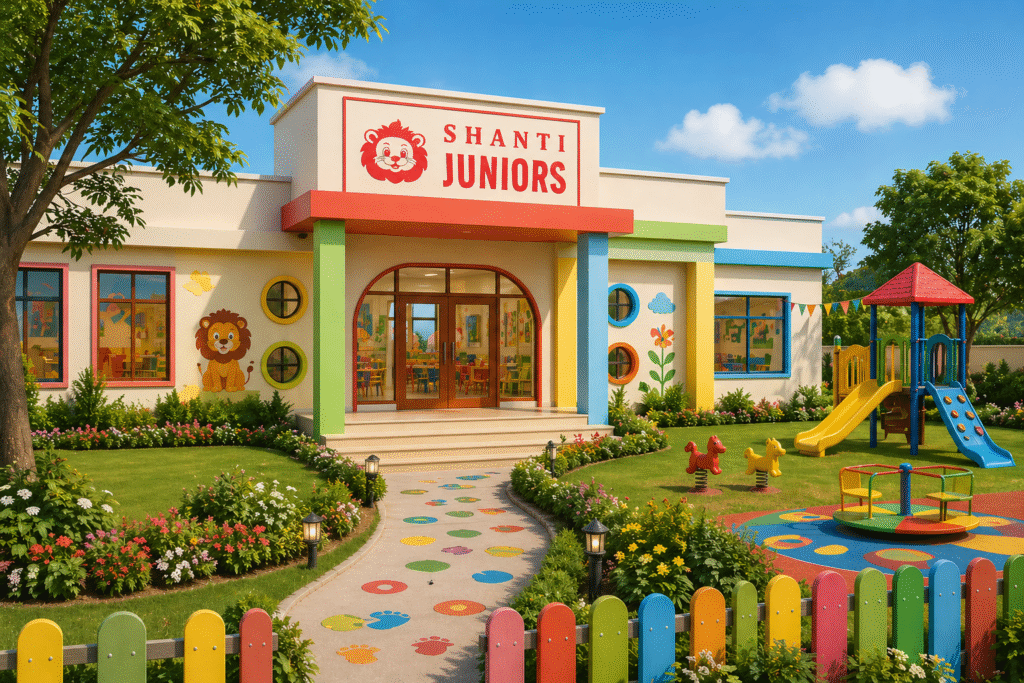
- Shanti Juniors: Known for its focus on holistic development and a child-centric approach, Shanti Juniors offers a robust franchise model that supports new franchisees with comprehensive training and operational assistance.
- EuroKids: This brand emphasizes a play-based learning environment, fostering creativity and critical thinking in young children. EuroKids has a strong presence across India, making it a popular choice among parents.
- Kangaroo Kids: With a focus on language-enriched programs, Kangaroo Kids aims to enhance children’s communication skills from an early age, preparing them for future academic success.
- Kidzee: As one of the largest preschool networks in India, Kidzee offers a well-structured curriculum and extensive training for franchisees, ensuring consistency in educational quality across its centers.
Each brand combines pedagogical frameworks with franchise operations, creating both reliable early learning outcomes for children and viable business propositions for entrepreneurs.
Choosing between established brands typically comes down to local market fit and the franchisee’s priorities. Important comparative considerations include curriculum flexibility, the intensity of initial and ongoing training, marketing support, royalty and fee structures, and the level of operational autonomy granted to franchisees. Prospective investors should compile a short checklist comparing these dimensions when speaking with franchisors and visiting existing centres.
Opportunities in the Preschool Franchise Market

Growth in urban populations and rising parental awareness about early learning have expanded demand for organised preschool services. This creates scalable opportunities for franchisees who can meet local needs with a proven curriculum and effective operations.
Government initiatives to raise education standards and promote early childhood programmes further support sector expansion. Franchisees benefit from established brand recognition, standardised processes, and access to a growing customer base.
Research on franchising in India underscores the model’s role in delivering brand recognition and operational support while reducing start-up risk for entrepreneurs.
Location selection and community alignment are critical to capturing demand. High-opportunity locations often combine residential density with families in the 25–45 age range, proximity to transit or workplaces, and limited direct competition. Local market research — including a casual survey of nearby parents, a review of competing preschools, and analysis of catchment-area demographics — helps define realistic enrolment targets and pricing bands. Early engagement with community groups and local nurseries can accelerate word-of-mouth enrolment at launch.
India’s Franchise Model: Brand & Operational Support
In the context of emerging economies, particularly India, franchising represents a uniquely effective vehicle for economic development, offering benefits such as established brand recognition, comprehensive operational support, and reduced risk for entrepreneurs.
THE FRANCHISE MODEL IN INDIA: A CATALYST FOR SUSTAINED ECONOMIC DEVELOPMENT
Understanding Preschool Franchise Investment Costs
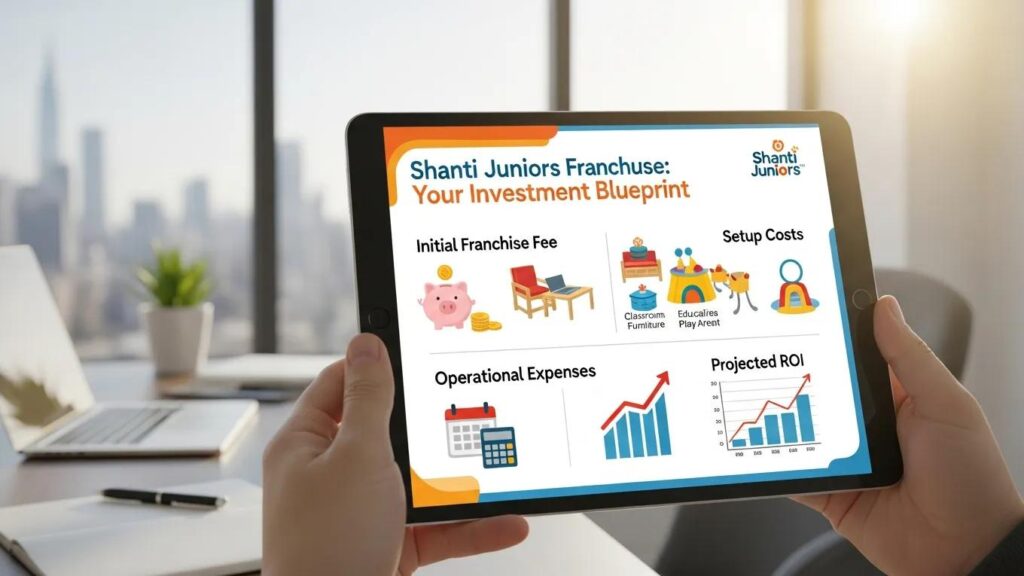
Launching a preschool franchise requires clear budgeting across one-time and recurring expenses. Costs vary by brand, location, and facility size. Key cost categories include:
- Initial Investment: This typically ranges from INR 10 lakhs to INR 50 lakhs, depending on the franchise brand and the facilities offered.
- Franchise Fees: Most brands charge a one-time franchise fee, which can range from INR 2 lakhs to INR 10 lakhs.
- Operational Costs: Ongoing expenses such as rent, salaries, utilities, and marketing can add up, requiring careful financial planning.
Accurate forecasting of these items is essential for assessing break-even timelines and return on investment before committing to a franchise agreement.
A practical way to prepare is to draft a simple pro forma covering the first 12–24 months. Typical line items to include are: refundable security deposit for the premises, interior fit-out and play equipment, licensing and signage, initial inventory (teaching materials and consumables), staff recruitment and onboarding costs, local marketing and launch events, and contingency funds for three to six months of operating expenses. Separating one-time capital expenditure from monthly operating expenses clarifies the funding gap and informs discussions with lenders or partners.
Factors Contributing to Educational Excellence
Educational quality in preschool franchises depends on a combination of curriculum design, staff capability, and family engagement. Successful centres use structured programmes that target social, emotional and cognitive development.
Addressing access and quality simultaneously is central to improving preschool outcomes across India.
Quality Preschool Education in India: Challenges & Opportunities
This paper focuses on the provision of center-based preschool education for children ranging in age from 3 to 6 years in India. It estimates access rates to various services and highlights issues related to equitable access to preschool services and the quality of preschool education. While India has made great strides in improving access to preschool education, numerous challenges have to be addressed to enhance its quality.
Fostering equitable access to quality preschool education in India: Challenges and opportunities, N Rao, 2021
- Quality Curriculum: A well-structured curriculum that promotes holistic development is essential for fostering children’s growth and learning.
- Teacher Training: Continuous professional development for teachers ensures they are equipped with the latest teaching methodologies and best practices.
- Community Engagement: Involving parents and the local community in the educational process enhances the learning experience and builds a supportive environment for children.
Prioritising these elements helps franchises deliver consistent learning outcomes and build trust with families, which supports enrolment and retention.
Measuring educational quality requires simple, repeatable indicators. Commonly used metrics include student-to-teacher ratios, staff retention rates, parental satisfaction scores gathered through short surveys, periodic classroom observations against curriculum benchmarks, and basic developmental checklists for children. Tracking these indicators quarterly helps franchisors and franchisees identify training needs, refine classroom practice, and communicate improvement to parents during open days or progress meetings.
Conclusion
Investing in a preschool franchise in India combines social impact with business potential. Brands such as Shanti Juniors, EuroKids, Kangaroo Kids, and Kidzee offer established curricula, franchisee support, and operational frameworks that simplify market entry. Clear understanding of costs, regulatory requirements and quality drivers enables informed investment decisions and a higher likelihood of long-term success.
To convert interest into a considered decision, use a structured short-listing process: request the franchisor’s prospectus, review sample curriculum materials, visit at least two existing centres, compare financial models, and seek references from current franchisees. Where possible, engage an accountant or advisor to stress-test financial projections and a legal advisor to review franchise agreements and territorial rights.
Overview of Top Preschool Brands and Their Market Presence
The market includes multiple reputable operators, each differentiated by pedagogy, franchise support and geographic reach. Shanti Juniors, EuroKids, Kangaroo Kids and Kidzee combine proven teaching models with franchise infrastructure to serve diverse parental preferences and local markets.
How Shanti Juniors Differentiates Itself in Early Childhood Education
Shanti Juniors emphasises holistic child development through a child-centric curriculum that nurtures emotional, social and cognitive skills. The brand also provides structured training and operational guidance to franchisees to ensure consistent delivery of its learning model across centres.
Practical differentiation often shows up in training intensity, teacher manuals, assessment tools and branded learning materials. Franchisees should ask for sample trainer and teacher handbooks during initial discussions to understand operational effort and classroom expectations.
How Much Does It Cost to Invest in a Preschool Franchise in India?
Investors should budget for initial setup, franchise fees and ongoing operational expenses. Typical ranges are: initial investment INR 10 lakhs to INR 50 lakhs and franchise fees INR 2 lakhs to INR 10 lakhs. These figures frame financial planning and feasibility assessments.
Detailed Investment and Cost Breakdown for Franchisees
This section summarises the main cost components to consider when evaluating a preschool franchise opportunity.
| Cost Component | Estimated Range |
|---|---|
| Initial Investment | INR 10 lakhs – INR 50 lakhs |
| Franchise Fees | INR 2 lakhs – INR 10 lakhs |
| Operational Costs | Varies based on location and scale |
The table clarifies expected financial commitments and supports comparison across brands and locations during due diligence.
When reviewing the tables supplied by franchisors, scrutinise the assumptions behind average class size, projected fee per child, teacher salaries and expected occupancy timeline. Conservative modelling that assumes slower ramp-up and slightly higher marketing spend produces a more robust assessment of working capital needs.
What Are the Essential Requirements to Start a Preschool Franchise Business Model in India?
Starting a preschool franchise requires meeting statutory obligations, assembling a feasible business plan, and committing to educational quality. Prospective franchisees should confirm local regulatory requirements, funding sources and alignment with the brand’s pedagogical approach.
Legal, Financial, and Educational Prerequisites for Franchisees
The essential requirements for starting a preschool franchise include:
- Legal Compliance: Obtaining necessary licenses and permits to operate a preschool.
- Financial Stability: Ensuring adequate funding to cover initial investments and operational costs.
- Educational Qualifications: Having a background in education or child development can be beneficial for franchisees.
Meeting these prerequisites helps ensure regulatory compliance and positions a franchise for operational and educational success.
Training and Operational Support Provided by Franchise Brands
Franchise networks typically provide structured onboarding and ongoing operational support. This includes curriculum training, classroom setup guidance and marketing assistance to standardise quality and accelerate centre performance.
- Initial Training: Franchisees receive training on the brand’s curriculum, teaching methodologies, and operational procedures.
- Ongoing Support: Many brands provide continuous assistance in areas such as marketing, staff training, and curriculum updates to ensure franchisees maintain high educational standards.
This support framework reduces operational risk and helps franchisees maintain consistent educational outcomes.
For more insights into the educational approach, visit Shanti Juniors educational insight.
Typical training modules cover classroom routines, child observation and assessment, behaviour guidance, parent communication, safety and first-aid, and simple administrative systems (attendance, fee collection, and basic accounting). Ongoing support may include scheduled field visits, peer-network meetings for franchisees, and seasonal marketing toolkits to promote enrolment during key admission periods.
Why Choose the Best Early Childhood Education Franchises for Long-Term Profitability?
Reputable franchises offer brand recognition, operational systems and marketing frameworks that drive enrolment and revenue stability. These advantages improve the likelihood of sustained profitability compared with standalone start-ups.
Analyzing Profitability and Growth Trends in the Indian Preschool Market
The preschool sector shows steady expansion as parental demand for organised early learning increases. Franchisees who select strong brands and manage costs effectively can capitalise on rising enrolment and improved revenue potential.
Common revenue streams for preschools include tuition fees, seasonal enrichment programmes, early-morning or aftercare services, and small material or uniform charges. Successful centres monitor unit economics per child (revenue per pupil minus direct costs) and track occupancy by class to identify underperforming segments early.
Success Stories and Testimonials from Established Franchisees
Numerous franchisees report improved business outcomes and community impact after adopting established curricula and operational systems. These testimonials illustrate how structured support and a clear education model contribute to both financial and social returns.
What Are the Current Market Trends and Growth Opportunities in Preschool Franchising in India?
Current trends include demand for curriculum innovation, standardised quality, and accessible services in urbanising areas. Franchises that adapt programmes to parental expectations and local markets are positioned to capture growth.
Impact of Urbanization and Rising Parental Awareness on Demand
Urban migration and better-informed parents have increased demand for accessible, high-quality preschool options. This shift creates market openings for franchises that can deliver consistent learning outcomes at scale.
Future Projections and Industry Reports from 2023 to 2026
Industry analyses forecast continued growth in enrolment and franchise expansion through 2026, driven by investment in early learning and higher parental investment in preschool services. These projections inform strategic planning for prospective franchisees.
How Does the Preschool Franchise Business Model Support Franchisee Success?
The franchise model offers standard operating procedures, training modules and ongoing support to reduce start-up complexity. This framework allows franchisees to focus on delivery and community engagement while leveraging an established brand.
Structured Educational Philosophy and Curriculum Support
Franchises provide a documented educational philosophy and curriculum that guide classroom practice. This structure ensures learning coherence and helps build parental confidence in the centre’s pedagogical approach.
Comprehensive Training and Ongoing Operational Assistance
Franchisees receive systematic training covering curriculum delivery, staff development and local marketing. Regular operational assistance and curriculum updates maintain quality and support sustainable centre growth.
What Are the Frequently Asked Questions About Preschool Franchise Opportunities in India?
Common questions focus on investment ranges, franchisee support, regulatory requirements and expected profitability. Clear answers help investors evaluate fit and prepare for the operational realities of running a preschool franchise.
How to Start a Preschool Franchise: Step-by-Step Guide
Starting a preschool franchise involves several key steps:
- Research: Investigate various franchise brands and their offerings.
- Financial Planning: Assess your financial situation and secure funding.
- Application: Submit an application to the chosen franchise brand.
- Training: Complete the initial training provided by the franchise.
- Launch: Open your preschool and begin enrolling students.
Following this sequence helps manage risk and improves the chances of a well-executed launch.
Practical tips for each step: during research, request franchise disclosure documents and visit centres at pick-up time to observe routines; in financial planning, build a conservative 12‑month cash flow with contingency; when applying, clarify exclusivity and renewal terms; during training, take detailed notes and establish a local hiring plan; at launch, schedule open houses, free trial days and community partnerships to accelerate enrolment.
Which Preschool Franchise Is Most Profitable and Why?
Profitability depends on location, operational efficiency and brand strength. Franchises with proven curricula, replicable operations and active marketing support typically offer the best potential for returns.
Efficiency drivers include optimised staffing, effective local marketing, balanced class sizes, and a mix of hourly and term-fee offerings. Monitoring monthly cash flow and tracking key performance indicators such as occupancy rate, average fee per child and staff cost as a percentage of revenue are practical ways to manage profitability.
Where Can Prospective Franchisees Find More Information and Support?
Prospective franchisees should consult official brand portals, attend franchising events and speak with existing franchisees to gather practical insights into operations, costs and local market dynamics.
Official Franchise Pages and Educational Insights
Official websites provide detailed information on investment, curriculum and support services. These pages are primary resources for due diligence and franchise comparisons.
Contact Details and Next Steps for Interested Investors
Interested investors should contact franchise representatives to request prospectuses, clarify financial terms and review training schedules. Direct engagement with brands is the next practical step in evaluating opportunities.
Quick next-step checklist for investors: 1) request the franchise information kit, 2) arrange visits to operational centres, 3) prepare conservative financial projections, 4) consult an advisor on legal and tax implications, and 5) set a launch timeline with milestones for recruitment and marketing. Using a checklist simplifies negotiations and keeps decision-making objective.