Parent Empowerment Workshops for Preschool Families
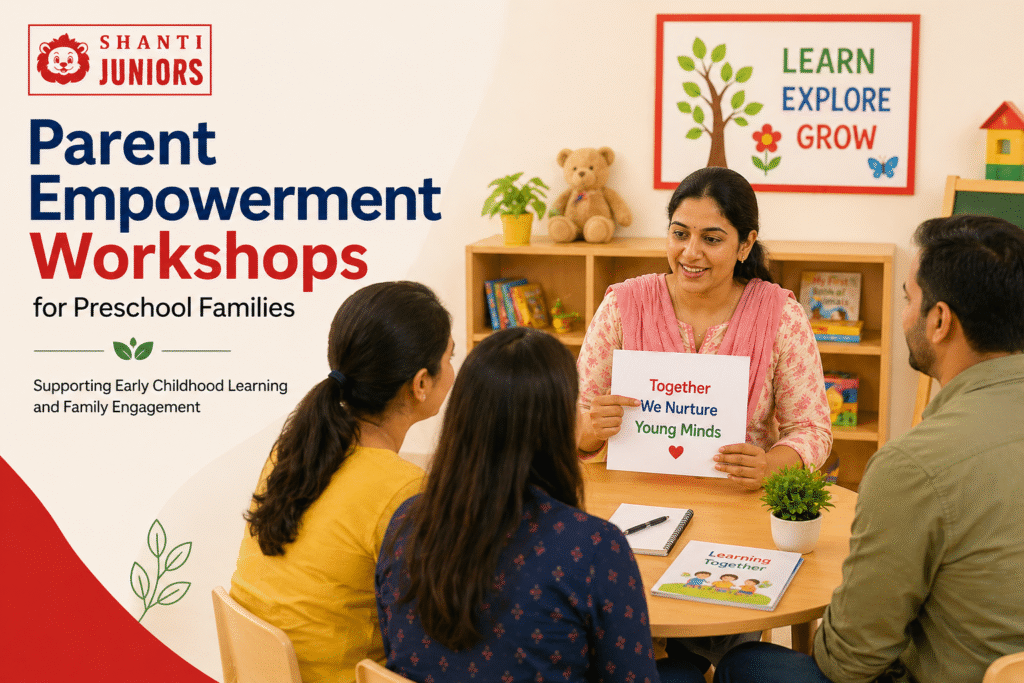
Parent Empowerment Workshops for Preschool Families: Supporting Early Childhood Learning and Family Engagement
Parent empowerment workshops play a crucial role in enhancing the educational experience for preschool families. These workshops provide parents with the tools and knowledge necessary to support their children’s learning and development effectively. By focusing on family engagement and child-centric pedagogy, these workshops foster a collaborative environment between parents and educators. Many families face challenges in understanding educational approaches and navigating their child’s early development stages. This article explores the various aspects of parent empowerment workshops, including their benefits, effective strategies for supporting preschool learning at home, and how these workshops can enhance family involvement in education. Key sections will cover understanding educational approaches, building trust with educators, and the importance of community building.
Research consistently highlights the profound impact of parental involvement on a child’s early learning and readiness for formal schooling.
Preschool Programs for Family Engagement & Child Readiness
Parents play a central role in supporting the early learning that positions young children for success when they enter formal schooling. For this reason, efforts to engage families in meaningful collaboration is a long-standing goal of high-quality early childhood education (ECE). Family–school engagement can take multiple forms; in this review, we focus on universal preschool-based outreach strategies that help parents support growth in child social-emotional and self-regulation competencies and prepare them for the transition into formal schooling. Recent research has expanded understanding of the neurodevelopmental processes that underlie child school readiness, and the impact of parenting (and the social ecology affecting parenting) on those processes. These new insights have fueled innovation in preschool-based efforts to partner with and support parents, expanding and shifting the focus of that programming.
Preschool programs that help families promote child social-emotional school readiness: Promising new strategies, KL Bierman, 2023
Understanding Educational Approaches
Educational approaches in preschool settings are designed to foster holistic development in young children. Workshops help parents understand these philosophies, clarifying how they align with their child’s learning at home. By participating in these sessions, parents gain insights into the educational methods employed by their child’s preschool, which can significantly enhance their ability to support learning at home. Understanding these approaches is essential for creating a consistent learning environment that bridges home and school.
Building Trust with Educators

Building trust between parents and educators is vital for a child’s educational success. Workshops provide a platform for parents to engage with teachers, fostering relationships that encourage open communication. This trust allows parents to feel comfortable discussing their child’s progress and any concerns they may have. A supportive educational environment is cultivated when parents and educators work collaboratively, ensuring that children receive the best possible support in their learning journey.
Customized Learning Plans
Customized learning plans are essential for addressing the unique needs of each child. Workshops equip parents with the knowledge to share insights about their child’s strengths and areas for improvement. By tailoring educational experiences to individual needs, parents can help their children thrive in preschool settings. This personalized approach not only enhances learning outcomes but also fosters a sense of belonging and confidence in young learners.
Regular Communication
Ongoing communication between parents and teachers is crucial for reinforcing learning at home. Workshops emphasize the importance of regular updates on a child’s progress, enabling parents to stay informed and engaged. This dialogue helps parents understand how to support their child’s learning effectively, ensuring that educational strategies are consistently applied both at home and in the classroom.
Community Building

Community building is a significant aspect of parent empowerment workshops. These sessions create a supportive network among parents, enhancing their learning experiences and providing opportunities for collaboration. By fostering connections within the community, parents can share resources, strategies, and experiences that benefit their children’s education. This sense of community not only strengthens family engagement but also contributes to a more enriching educational environment for all children.
Skill Development
Workshops focus on practical strategies for child development, equipping parents with the skills necessary to support their children’s growth. These sessions cover various topics, including activities that promote social skills, emotional regulation strategies, and cognitive growth activities. By engaging in these practices, parents can create a nurturing environment that fosters their child’s overall development.
Transition Support
Transitioning from preschool to kindergarten can be a challenging experience for both children and parents. Workshops provide guidance on preparing for these changes, helping families navigate the emotional and logistical aspects of this significant milestone. By understanding the importance of transition support, parents can better equip their children for success in their educational journey.
How Can Parents Support Preschool Learning at Home?
Parents can play a pivotal role in supporting preschool learning at home through various strategies. Engaging in play-based learning, establishing daily reading practices, and promoting independence are effective ways to enhance a child’s educational experience. By incorporating these practices into daily routines, parents can create a rich learning environment that complements their child’s preschool education.
Specifically, targeted interventions like literacy workshops have been shown to empower parents with effective techniques to support their children’s reading development at home.
Empowering Parents Through Preschool Literacy Workshops
The present study reports on a literacy-related family engagement intervention which aimed to empower story reading techniques that parents use at home and reflects on their experiences. One hundred and forty-two parents selected from six public kindergartens in Rethimno, Greece, participated voluntarily in the intervention. This study employed a quasi-experimental methodology design that included two intervention and one control group: (1) theintensive support group, where parents attended storybook reading workshops and were introduced to four story reading techniques (N=43), (2) thenon-intensive support group, where parents received written notes about the same story reading techniques as the intensive support group (N=51) and (3) parents in thecontrol group, who weren’t engaged at all (N=48).
Enhancing family engagement in preschool settings: Reflections on parental attitudes, E Nikoloudaki, 2026
- Engage in Play-Based Learning: Encourage creativity and problem-solving through interactive play.
- Establish Daily Reading Practices: Foster a love for reading by incorporating storytime into daily routines.
- Promote Independence: Allow children to make choices and take on age-appropriate responsibilities.
These strategies not only support learning but also strengthen the parent-child bond, making education a collaborative effort.
What Are Effective Preschool Parenting Tips for Daily Routines?
Establishing effective daily routines is essential for preschoolers’ development. Here are some actionable tips for parents:
- Create Consistent Routines: Establish regular schedules for meals, playtime, and bedtime to provide stability.
- Incorporate Learning into Daily Activities: Use everyday tasks as opportunities for learning, such as counting during grocery shopping.
- Encourage Play-Based Learning: Integrate educational games and activities into playtime to enhance learning.
By implementing these tips, parents can create a structured yet flexible environment that supports their child’s growth and development.
Which Early Childhood Development Activities Boost Learning Readiness?
Engaging children in early childhood development activities is crucial for boosting learning readiness. Here are some activities that can enhance a child’s preparedness for preschool:
- Daily Reading Together: Reading aloud helps develop language skills and comprehension.
- Educational Games and Puzzles: These activities promote critical thinking and problem-solving skills.
- Exploring Colors, Shapes, and Numbers: Incorporating these concepts into play helps children build foundational knowledge.
These activities not only prepare children for preschool but also make learning enjoyable and interactive.
What Are the Benefits and Formats of Parent Education Workshops?
Parent education workshops offer numerous benefits, including enhanced understanding of child development and improved parent-child interactions. These workshops come in various formats, such as in-person sessions, online webinars, and hybrid models, making them accessible to a wider audience. The flexibility of these formats allows parents to choose the option that best fits their schedules and learning preferences.
How Do Hybrid and Digital Workshop Formats Enhance Accessibility?
Hybrid and digital workshop formats significantly enhance accessibility for parents. These formats provide flexibility in participation, allowing parents to engage in learning from the comfort of their homes. The benefits of digital formats include the ability to revisit recorded sessions and access a broader range of resources. This accessibility ensures that more families can benefit from the knowledge and skills offered in parent empowerment workshops.
What Learning Outcomes Can Parents Expect from These Workshops?
Parents can expect several positive learning outcomes from attending empowerment workshops. These include improved skills and strategies for supporting their children’s education, enhanced understanding of child development, and stronger parent-child interactions. By actively participating in these workshops, parents become more equipped to foster a supportive learning environment at home.
How Does Family Engagement Improve Preschool Education Outcomes?
Family engagement plays a critical role in improving preschool education outcomes. Research shows that when families are actively involved in their children’s education, it leads to better academic performance, enhanced social-emotional development, and stronger community connections. This engagement creates a collaborative atmosphere that benefits both children and educators, ultimately leading to a more successful educational experience.
Indeed, studies confirm that active parental involvement is a cornerstone of effective early childhood education, fostering positive outcomes for both children and the educational community.
Parental Involvement & Family Empowerment in Early Childhood Education
Parental involvement in early childhood education plays a vital role in the growth and development of children. Various research results show that parental involvement has a positive impact on parents and educators or managers of PAUD institutions must be in an excellent relationship to meet all children’s needs. The aim of this study is to examine the involvement of parents in early childhood education in order to empower families in a digital age that is full of challenges, particularly in the context of the organization of quality early childhood education. This aims to inform parents of the importance of their involvement in the child education process and to establish good communication and collaboration between parents, educators and managers of educational institutions.
Parental involvement in early childhood education for family empowerment in the digital age, S Nurhayati, 2021
Why Is Communication Between Parents and Educators Essential?
Effective communication between parents and educators is essential for a child’s success in preschool. Staying informed about a child’s progress allows parents to provide targeted support at home. Collaborative environments fostered through open communication lead to better educational outcomes, as parents and teachers work together to address any challenges that may arise.
How Do Parent Empowerment Workshops Foster Stronger Family Participation?
Parent empowerment workshops foster stronger family participation through interactive activities and community events. These workshops often include storytelling sessions, role-playing exercises, and opportunities for parents to share their experiences. By engaging in these activities, families feel more connected to their child’s education and are more likely to participate actively in school events and initiatives.
What Are Common Parenting Challenges Addressed in Preschool Workshops?
Parenting challenges addressed in preschool workshops include supporting early learning, developing social skills, and transitioning to kindergarten. These workshops provide strategies and resources to help parents navigate these common issues, ensuring that they feel equipped to support their children’s development effectively.
How Can Parents Manage Child Development Stages Effectively?
Managing child development stages effectively requires understanding the unique needs of each stage. Parents can engage in daily activities that promote social skills, support emotional development, and encourage independence. By being proactive and informed, parents can help their children thrive during these critical developmental periods.
What Strategies Help Parents Support Social and Emotional Growth?
Supporting social and emotional growth is essential for preschoolers. Here are some strategies parents can implement:
- Arrange Playdates: Facilitate social interactions with peers to develop social skills.
- Teach Sharing and Turn-Taking: Encourage cooperative play to foster empathy and understanding.
- Promote Independence: Allow children to make choices and solve problems independently.
These strategies help children develop essential social-emotional skills that will benefit them throughout their lives.
Where and When Are Parent Empowerment Workshops Available?
Parent empowerment workshops are available in various locations and formats, including local community centers, schools, and online platforms. Families can find workshops that fit their schedules and preferences, ensuring that they have access to valuable resources and support.
How Can Families Find Local and Online Workshop Opportunities?
Families can find local and online workshop opportunities through community bulletin boards, school newsletters, and social media groups. Many educational organizations also provide information about upcoming workshops on their websites, making it easier for parents to stay informed about available resources.
What Are Typical Workshop Schedules and Registration Processes?
Typical workshop schedules vary, with many offering sessions during evenings or weekends to accommodate working parents. Registration processes are often straightforward, requiring parents to sign up online or contact the organizing body directly. Understanding these processes helps families prepare for participation and ensures they can take advantage of the resources offered.
What Do Recent Studies and Testimonials Reveal About Workshop Effectiveness?
Recent studies and testimonials highlight the effectiveness of parent empowerment workshops in enhancing family engagement and educational outcomes. Research indicates that parents who participate in these workshops report increased confidence in supporting their children’s learning and improved communication with educators. Testimonials from families emphasize the positive impact these workshops have on their children’s development and overall educational experience.
How Can Parents Prepare for and Maximize Workshop Participation?
To maximize the benefits of workshop participation, parents can prepare by bringing relevant materials, such as a notebook and pen for taking notes, and any questions they may have for educators. Engaging actively during sessions and connecting with other parents can enhance the overall experience and provide additional support.
What Materials and Resources Should Parents Bring?
Parents should consider bringing the following materials to workshops:
- Notebook and Pen: For taking notes and jotting down important information.
- Child’s Information: Relevant details about their child’s development and learning needs.
- Questions for Educators: Prepare specific questions to address during the workshop.
Having these materials on hand can help parents engage more fully and make the most of the workshop experience.
How Can Parents Apply Workshop Learnings at Home?
Applying learnings from workshops at home is crucial for reinforcing the skills and strategies discussed. Parents can engage in daily reading, incorporate educational games into playtime, and create a supportive learning environment that encourages exploration and curiosity. By actively applying these concepts, parents can significantly enhance their child’s educational experience.
What Resources Complement Parent Empowerment Workshops for Preschool Families?
Complementary resources for parent empowerment workshops include educational insights, parenting tips, and social-emotional development resources. These materials can provide additional support and guidance, helping parents implement what they learn in workshops effectively.
How Do Franchise-Based Educational Models Enhance Family Engagement?
Franchise-based educational models enhance family engagement by providing structured programs that promote family involvement. These models often include community support initiatives and resources designed to foster collaboration between parents and educators. By leveraging these frameworks, families can benefit from a more cohesive educational experience that supports their children’s development.
| Aspect | Description | Impact |
|---|---|---|
| Family Engagement | Active participation of families in education | Improved academic performance |
| Structured Programs | Organized frameworks for family involvement | Enhanced community connections |
| Community Support | Resources and initiatives for families | Increased collaboration between parents and educators |
This table illustrates how various aspects of family engagement contribute to a more effective educational experience for preschoolers, highlighting the importance of collaboration and support in early childhood education.