Nutrition and Meal Plans for Early Childhood Programs
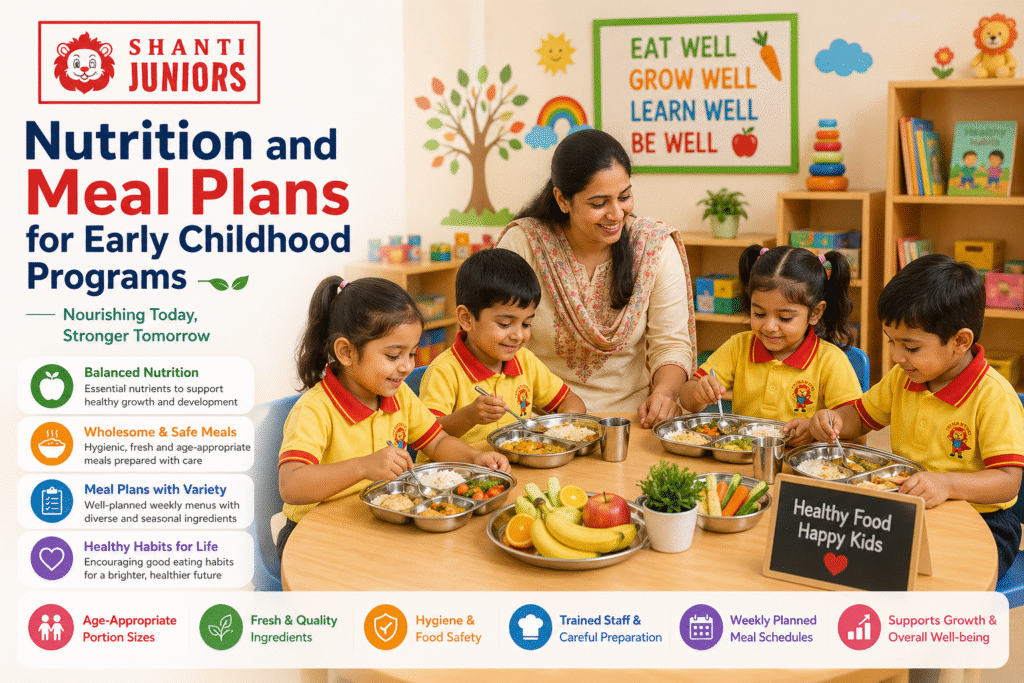
Easy Nutrition & Meal Planning Tips for Early Childhood Programs: Benefits, Guidelines, and How to Get Started
Good nutrition shapes how preschoolers grow, learn, and play. Early childhood programs that make balanced meal planning a priority support children’s physical growth, brain development, and social skills. This guide offers practical, evidence-informed advice for building nutritious menus, handling allergies and special diets, and meeting regulatory standards. It’s written for educators, caregivers, program leaders, and parents who need realistic strategies—sample meal plans, implementation tips, and compliance essentials—to feed children well while accommodating diverse needs.
Program leaders and parents should view meal planning as an organizational task that connects classroom goals, family preferences, procurement, and staffing. In practice this means sharing sample menus with families in advance, inviting caregiver feedback on cultural foods, and coordinating with cooks and vendors so menus are feasible and costed. Small operational systems — a weekly ordering checklist, an allergy tracker, and a simple menu cycle — make it easier to sustain healthy offerings without adding undue administrative burden.
Meal Planning Guidelines for Preschool Nutrition
Designing meals for preschoolers means combining variety, safety, and appeal. Thoughtful menus ensure kids get the vitamins, minerals, protein, and energy they need while encouraging positive eating habits. Focus on colorful fruits and vegetables, whole grains, and lean protein, and plan for cultural preferences and dietary restrictions. When programs rotate familiar favorites with new tastes and textures, children are more likely to try and accept healthy foods.
Practical menu planning often uses a rotating cycle (for example, a two- to four-week plan) so shopping is predictable and children see variety without waste. Consider seasonal produce to keep costs down and freshness high. Simple procurement tips — buying in bulk where feasible, using frozen vegetables as a reliable backup, and standardizing recipes — help centers balance nutrition with budget reality.
Essential Nutritional Guidelines for Preschoolers
Core guidelines for preschool nutrition emphasize balance and variety to support fast growth and learning. Meals should include foods from multiple groups so children receive key nutrients every day.
Critical Nutrients for Early Childhood Development
Some nutrients are especially important during the preschool years:
- Protein: Needed for growth and tissue repair; found in meat, dairy, eggs, beans, and lentils.
- Calcium: Supports bone and tooth development; from milk, yogurt, cheese, and fortified plant milks.
- Iron: Essential for brain development and energy; available in lean meats, beans, fortified cereals, and spinach.
- Vitamins A and C: Help immunity and healthy skin; abundant in colorful fruits and vegetables.
Including these nutrients regularly helps build a foundation for long-term health and learning.
In addition to micronutrients, attention to healthy fats and hydration supports development. Sources such as mashed avocado, a small amount of flax or chia in recipes, and routinely offering water at meals help ensure children receive energy-dense, brain-supporting fats and stay hydrated throughout the day.
How Balanced Meals Support Toddler Growth and Cognitive Skills
Balanced meals give children steady energy and the nutrients their brains need to focus, remember, and solve problems. Diets that mix whole grains, lean proteins, healthy fats, and a variety of fruits and vegetables are linked to better attention and school readiness. Early childhood programs that prioritize balanced meals support both physical activity and the mental skills children use every day.
Evidence continues to show a clear connection between good nutrition in early life and improved cognitive outcomes.
Nutrition’s Role in Early Childhood Cognitive Development
This study explored how early childhood coordinators and pediatricians perceive the importance of food and nutrition for young children’s cognitive development. It asked professionals about their views on nutrition’s role during key developmental stages and highlighted consensus that diet is a fundamental part of growth and learning.
Opinion of Early Childhood Development Coordinators Regarding Importance of Nutrition for Cognitive Development of Young Children at ECD Level, 2023
How to Create Sample Healthy Meal Plans for Early Childhood Settings
Building sample meal plans starts with a simple template: include a fruit or vegetable, a grain, a protein, and a dairy or dairy alternative at meals, plus healthy snacks between them. Keep portions age-appropriate, rotate seasonal produce, and make meals visually appealing to encourage tasting and exploration.
When creating menus, involve cooks, classroom staff, and parents early so portioning, preparation time, and food safety are realistic. Test new recipes on a single day before adding them to the rotation, and keep a short note with each recipe about texture (soft, finger-food, pureed) so staff can serve food appropriately by age and ability.
Balanced Meal Components for Preschoolers
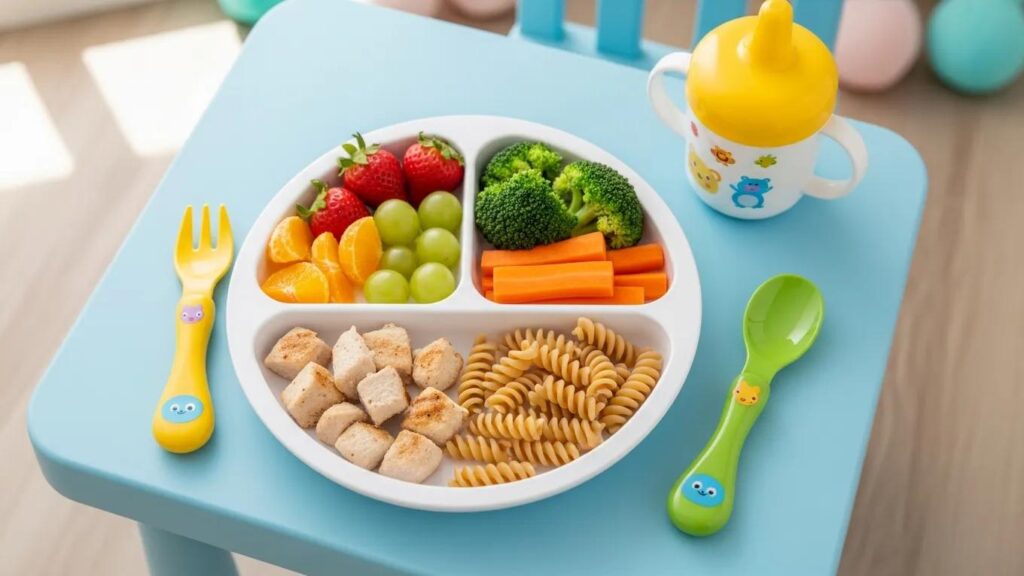
Essential components to include every day are:
- Fruits and Vegetables: Offer a range of colors and textures to cover vitamins, minerals, and fiber.
- Whole Grains: Choose brown rice, whole wheat bread, oats, or whole-grain pasta for steady energy and fiber.
- Protein Sources: Rotate lean meats, fish, eggs, beans, and nut butters (where allowed) to support growth.
When each meal includes these groups, children get balanced nutrition and exposure to new foods.
To make components concrete for staff and parents, provide a short portion guide for typical preschool servings and photo examples on the kitchen wall. For instance, a half cup of chopped fruit, a quarter to a third cup of cooked grains, and a small palm-sized portion of protein are useful visual cues during service.
How to Incorporate Healthy Snacks for Preschoolers Effectively
Snacks are a chance to boost nutrient intake and energy between meals. Practical strategies:
- Offer Variety: Rotate fruits, vegetables, yogurt, cheese, and whole-grain options so children stay interested.
- Control Portions: Serve small, age-appropriate portions to avoid overeating while keeping kids satisfied.
- Make It Interactive: Let children help assemble simple snacks—this increases willingness to try new items and teaches food skills.
These approaches help snacks support overall diet quality and learning about food.
Concrete, ready-to-serve snack examples include apple slices with a thin spread of sunflower seed butter (where permitted), plain yogurt with a small sprinkle of oats, cucumber coins with hummus, or whole-grain pita triangles with a bean dip. Rotate these items so familiar choices appear alongside a weekly novelty.
Managing Food Allergies and Special Diets in Early Childhood Programs
Safe handling of allergies and special diets is vital. Programs must know each child’s needs, remove or substitute problem foods, and train staff on prevention and emergency response.
Common Dietary Restrictions in Preschool Nutrition
Typical restrictions include:
- Allergies: Common triggers are peanuts, tree nuts, dairy, eggs, soy, and gluten.
- Cultural or Religious Needs: Families may follow vegetarian, halal, kosher, or other dietary practices.
- Medical Conditions: Lactose intolerance, celiac disease, and other conditions require specific food choices.
Recognizing these needs is the first step to inclusive, safe meal planning.
Establish a routine intake form for families that records allergens, typical tolerated foods, emergency contact information, and whether caregivers will provide alternate meals. Store this information in a clearly labeled, accessible file for teachers, kitchen staff, and parents and update it whenever a child’s needs change.
Adapting Meal Plans for Allergies and Intolerances
Practical steps to adapt menus include:
- Identify Safe Substitutes: Use fortified plant milks, seed butters, or gluten-free grains to match nutrition without risk.
- Partner with Parents: Gather complete dietary information and coordinate safe meals and snacks for each child.
- Train Staff: Teach all team members to read labels, prevent cross-contact, and respond to allergic reactions.
Thoughtful substitution and clear communication keep mealtimes both nutritious and safe.
Simple substitution examples are helpful for staff and parents: replace peanut butter with sunflower-seed spread, use oat or rice milk for children with dairy allergies, and swap traditional bread for certified gluten-free options. Label prepared dishes clearly and use color-coded trays or stickers to indicate allergy-safe meals during service.
Benefits of Balanced Nutrition in Early Childhood Education
Balanced nutrition improves immediate well-being and builds habits that last. Proper diets support learning, healthy growth, and positive social experiences around food.
Nutrition’s Influence on Cognitive and Physical Development
Key nutrients support brain structure, attention, and memory, while adequate calories and protein enable active play and steady growth. Nutrients such as omega-3s and iron have documented roles in cognitive function, and well-nourished children are better able to participate in classroom activities and peer interactions.
Evidence Supporting Nutrition’s Role in Preventing Childhood Obesity
Research links early eating patterns with later weight outcomes. Children who regularly eat fruits, vegetables, whole grains, and lean proteins are less likely to gain excess weight. Early education about healthy choices also helps families form routines that reduce obesity risk over time.
Beyond physical outcomes, shared mealtimes teach turn-taking, language development, and self-regulation. Programs that combine nutrition with playful food education — tasting games, cooking demos, garden activities — build both preferences for healthy foods and the social routines that support lifelong habits.
Regulatory Standards and Compliance Guidelines for Childcare Nutrition
Knowing and following relevant nutrition standards protects children and programs. Regulations set minimum requirements for meals and often provide funding or guidance to support implementation.
The Role of CACFP in Early Childhood Meal Planning
The Child and Adult Care Food Program (CACFP) offers reimbursement and guidance to help centers serve nutritious meals that meet federal standards. Participating programs gain access to meal patterns, training materials, and tools to ensure balanced offerings and compliance.
Ensuring Childcare Nutrition Standards Are Met
To stay compliant and serve high-quality meals:
- Know Local Rules: Review federal, state, and local nutrition and licensing requirements.
- Design Compliant Menus: Create menus that meet portion and food-group standards while staying appealing to children and parents.
- Train the Team: Provide ongoing staff education on menu planning, food safety, and recordkeeping.
Clear policies and regular checks help programs meet standards reliably.
Keep simple documentation such as daily meal records, temperature logs, and ingredient invoices. These records support compliance reviews and make it easier to respond to family questions or audits. A short monthly checklist that reviews menu adherence and inventory usage helps keep operations on track without heavy paperwork.
Implementing and Monitoring Nutrition Programs in Early Childhood Settings
Implementation requires planning, training, and simple monitoring systems to measure progress and make improvements. Embed nutrition into daily routines and use small tests to scale what works.
Translating research into practical, sustainable nutrition and activity programs is a priority for public health, early childhood practice, and parents invested in their children’s well-being.
Implementing Early Childhood Nutrition Interventions
This systematic review examined how evidence-based nutrition and active-play interventions move from research into everyday practice. It found promising outcomes where programs used implementation frameworks, while also noting barriers to adoption and sustainability in real-world settings.
Adoption, implementation, and sustainability of early childhood feeding, nutrition and active play interventions in real-world settings: a systematic review, J Whelan, 2023
Best Practices for Integrating Nutrition Programs in Preschools
Effective strategies include:
- Teach About Food: Use hands-on activities, stories, and simple lessons to build food knowledge and curiosity among children and parents.
- Engage Families: Share recipes, food tips, and ways parents can reinforce healthy habits at home.
- Review Menus Regularly: Update menus seasonally and based on feedback and nutritional analysis.
These practices create a consistent, supportive food environment for children and families.
Evidence shows that well-designed nutrition education can shift children’s preferences and enlist teachers and parents as partners.
Implementing Nutrition Education in Early Childhood Programs
This qualitative study explored a kindergarten nutrition program through interviews with teachers and parents. Results showed improved children’s eating habits, greater acceptance of healthy foods, and reduced consumption of unhealthy snacks. Teachers used interactive methods like games and stories, while parental support at home reinforced changes. Challenges included children’s snack preferences and parents’ limited time. The study recommends broader parent training and engaging educational materials.
Exploring the Implementation and Success of Nutrition Education Programs in Early Childhood Education Settings, R Hasibuan, 2025
Concrete classroom activities include short, sensory-focused taste tests, picture-based food sorting games, and simple recipe projects where each child adds one ingredient. These activities map directly to lesson plans and reinforce vocabulary, counting, and motor skills while normalizing healthy foods in a low-pressure way.
KPIs and Tools to Track Nutrition Program Success
Useful measures and tools include:
- Participation Rates: Track how many children take and finish meals and snacks.
- Nutritional Analysis: Use software or checklists to confirm meals meet nutrient targets and portion sizes.
- Feedback Loops: Collect input from parents, staff, and children to spot issues and guide improvements.
Regularly reviewing these indicators helps teams refine menus and practices.
Sample operational KPIs to log weekly include the percent of meals served that meet menu specifications, the number of allergy incidents (zero is the goal), and family satisfaction scores from a short quarterly survey. Display trend lines in a simple spreadsheet or dashboard and discuss them at monthly staff meetings so improvements are tracked and celebrated.
Structured Data and Multimedia Enhancements to Improve Nutrition Content
Adding structured data and multimedia makes nutrition information easier to find and use. Parents and staff benefit from clear labels, searchable menus, and engaging visuals.
Using Schema.org NutritionInformation and MealPlan Markup
Applying Schema.org markup for NutritionInformation and MealPlan helps search engines surface menu details and nutritional facts. This improves transparency for families and can boost how easily your program’s meal information is discovered online.
When publishing menus online include fields for ingredient lists, common allergens, portion sizes, and simple substitutions. Mark these fields consistently so families using search or your website’s find tools can filter menus by allergen-free options or vegetarian meals.
Visuals and Videos to Enhance Understanding of Meal Planning
Strong visual tools include:
- Infographics: Condense portion guidance and food-group tips into shareable visuals.
- Recipe Videos: Short demos help caregivers recreate healthy meals at home.
- Interactive Tools: Meal planners or apps let families explore options and allergen-safe swaps.
These resources make nutrition guidance practical and engaging for staff and parents alike.
Keep videos brief (one to three minutes), captioned, and focused on a single recipe or technique. Infographics should highlight serving sizes and simple swaps so parents can quickly apply suggestions at home. Host resources on an easy-to-navigate page and link them in weekly newsletters.
Staying Updated on Early Childhood Nutrition Research and Policy Changes
Staying current keeps programs safe and effective. Regularly consult trusted sources and use simple monitoring tactics to catch new guidance.
Authoritative Sources for Latest Nutrition Guidelines
Reliable resources include:
- USDA: Dietary guidance and meal planning resources for child care.
- CDC: Information on child health, nutrition, and prevention strategies.
- Professional Organizations: Groups like the Academy of Nutrition and Dietetics offer practice updates and research summaries.
Following these sources helps programs align menus with current science and policy.
Maintain a short reading list or bookmarks folder for key resources and build a quarterly professional development slot for staff to review any changes. Where possible, attend local workshops or webinars to ask implementation questions and network with peers facing similar challenges.
Monitoring SERP and Entity Updates for Nutrition Content
Keep tabs on online updates with a few simple tactics:
- Set Alerts: Use Google Alerts and journal notifications for new studies and policy changes.
- Join Professional Networks: Participate in forums and listservs focused on early childhood nutrition.
- Read Key Journals: Regularly scan nutrition and public health journals for relevant findings.
These habits help programs respond quickly to new evidence and best practices.
Periodically review search results for your program’s name and common menu queries to ensure published content remains accurate and visible. Simple monthly checks of analytics and a short content update log keep online information trustworthy for families and staff.
| Sample Service | Menu Items | Portion Notes |
|---|---|---|
| Breakfast | Oatmeal with mashed banana and milk (or fortified plant milk), and mixed berries | 1/4 to 1/2 cup cooked oats; small fruit portion |
| Lunch | Brown rice, baked fish or lentil patties, steamed carrots, and apple slices | 1/4 cup grains; 1-2 oz protein equivalent; 1/4 cup vegetables |
| Snack | Yogurt or soy yogurt with whole-grain crackers and cucumber sticks | Small cup yogurt; 2-3 crackers; slices for sharing |