How to Choose the Right Nursery School Near You: A Parent's Guide
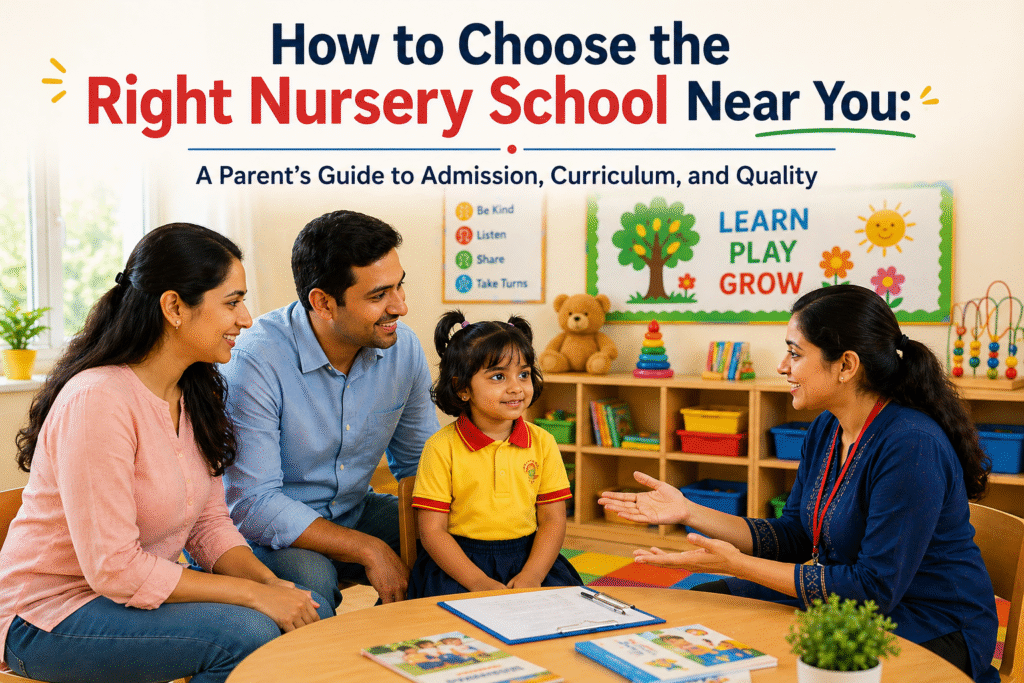
How to Choose the Right Nursery School Near You: A Parent's Guide to Admission, Curriculum, and Quality
Choosing the right nursery school for your child is one of the most important decisions you’ll make as a parent. It’s not just about finding a place to care for your little one—it’s about setting the foundation for their lifelong love of learning and growth. Many parents feel overwhelmed by the options and unsure about what really matters. This guide is here to help you navigate the process with confidence, offering practical advice on admission procedures, curriculum choices, and how to assess the overall quality of a nursery school. By understanding these key factors, you can find a nurturing environment that supports your child’s unique developmental journey and gives you peace of mind.
Guide for Parents on Choosing the Right Nursery School
Every child is unique, and choosing a nursery school should reflect your child’s individual needs and personality. Start by observing how your child learns and interacts with others—do they thrive in structured settings or prefer more play-based learning? Researching the admission processes of different schools will help you understand what to expect and prepare accordingly. Equally important is evaluating the curriculum offered, as this shapes your child’s daily experiences and growth. Remember, your involvement as a parent is a powerful factor in your child’s success, so look for schools that encourage and welcome active family participation.
What Are the Key Factors to Consider When Choosing a Nursery School?
When it comes to selecting the best nursery school for your child, keep these essential factors in mind:
- Curriculum Quality: Look for schools that offer a curriculum aligned with your child’s learning style and developmental stage. Whether it’s Montessori, Playway, or another approach, the curriculum should foster curiosity and creativity.
- Teacher Qualifications: Experienced and well-trained teachers make a huge difference. They understand early childhood development and know how to create a supportive, engaging classroom.
- Safety Measures: Your child’s safety is paramount. Ensure the school follows strict health and safety protocols and has secure facilities.
These factors together create a strong foundation for your child’s early education and well-being.
How Does Curriculum Type Affect Early Childhood Education Quality?
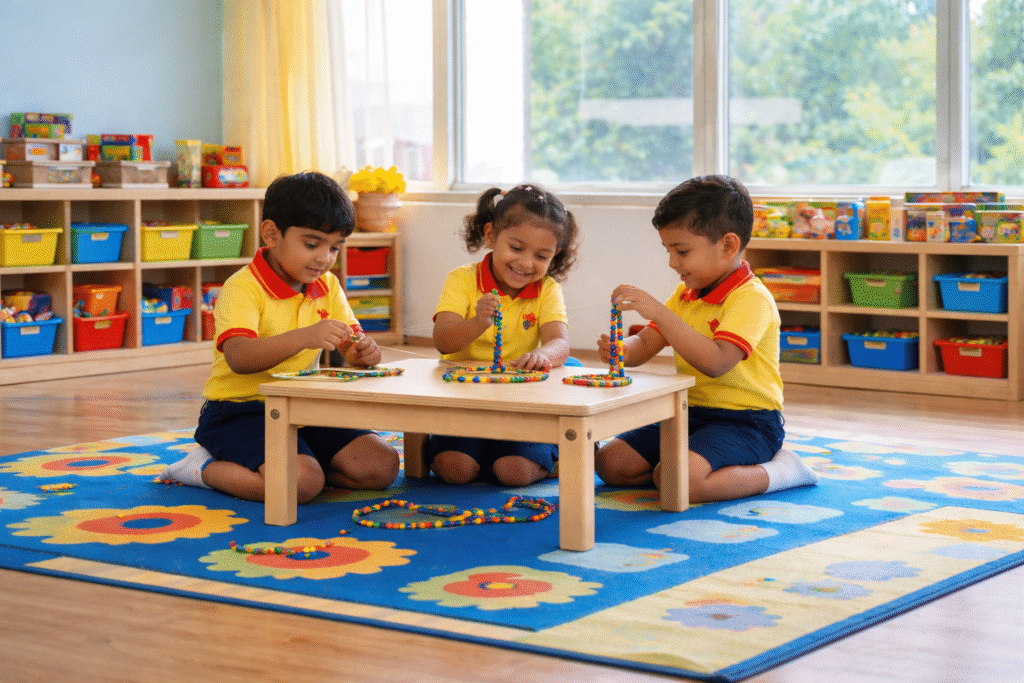
The curriculum is the heart of any nursery school experience. Different educational philosophies like Montessori, Playway, and Reggio Emilia offer unique ways to engage young minds. For example, Montessori emphasizes independence and hands-on learning, while Playway focuses on learning through play and social interaction. Choosing a curriculum that resonates with your child’s personality and learning preferences can make a big difference in their enthusiasm and progress. To dive deeper into these educational approaches, check out our educational insight section.
Why Are Safety and Infrastructure Standards Crucial for Nursery Schools?
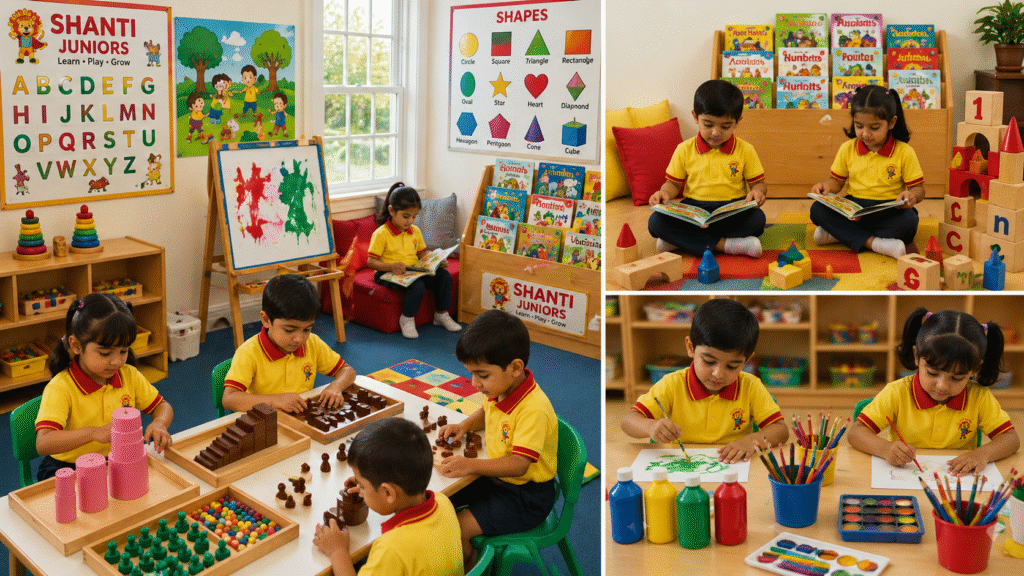
When you entrust your child to a nursery school, safety is naturally your top concern. A well-maintained, child-friendly environment allows kids to explore freely and confidently. Look for schools that maintain clean, hygienic spaces and have secure play areas designed with young children in mind. Good infrastructure also means classrooms that are bright, welcoming, and equipped with age-appropriate learning materials. These elements together create a safe and stimulating atmosphere where your child can thrive.
How to Navigate the Nursery School Admission Process Effectively?
Starting the admission process early and knowing what to expect can ease much of the stress involved. Here’s a simple roadmap to guide you:
- Research Admission Requirements: Each nursery school has its own set of rules and required documents. Understanding these early helps you prepare.
- Prepare Necessary Documents: Commonly needed paperwork includes your child’s birth certificate, immunization records, and completed application forms.
- Plan Timelines: Admissions often open months in advance. Starting 6-12 months before your desired start date gives you plenty of time to explore options and complete applications.
What Documents Are Required for Nursery School Admission?
Typically, you’ll need to provide:
- Proof of Age: Official documents like birth certificates to verify your child’s age.
- Health Records: Up-to-date immunization and health check records to ensure your child’s well-being.
- Application Forms: Detailed forms that help the school understand your child’s background and needs.
When Should Parents Start the Admission Process?
Timing can make a big difference in securing a spot at your preferred nursery school. Consider these points:
- Age Requirements: Most schools have specific age cutoffs, so check these carefully.
- Recommended Start Time: Begin the process 6-12 months ahead to avoid last-minute rushes.
- Importance of Early Planning: Early preparation lets you visit schools, ask questions, and make a thoughtful choice.
How to Evaluate Teacher Qualifications and Staff Ratios in Preschools?
The quality of teachers and the number of staff relative to children are key indicators of a nurturing learning environment.
- Importance of Teacher Qualifications: Look for teachers with certifications in early childhood education and experience with your child’s age group.
- Ideal Staff-to-Child Ratios: Smaller groups mean more personalized attention, which supports better learning and emotional development.
- Impact on Quality of Education: Skilled teachers and appropriate ratios create a warm, responsive classroom where children feel valued and supported.
What Certifications and Degrees Should Nursery School Teachers Have?
When visiting schools, ask about teacher qualifications such as:
- Early Childhood Education Certification: Ensures teachers understand child development and effective teaching methods.
- Experience with Age Group: Teachers should be comfortable and skilled in working with children in the nursery age range.
- Ongoing Training Requirements: Continuous professional development keeps teachers up-to-date with the latest educational practices.
How Do Staff-to-Child Ratios Impact Child Development?
Research shows that lower staff-to-child ratios lead to better outcomes for young children:
- Recommended Ratios: A ratio of about 1 teacher to 10 children is often ideal for preschool settings.
- Benefits of Lower Ratios: Smaller groups allow teachers to give more individualized attention and respond to each child’s needs.
- Impact on Individual Attention: Higher ratios can limit personal interaction, which may slow developmental progress.
How Does Location and Accessibility Influence Nursery School Choice?
The convenience of a nursery school’s location can greatly affect your daily routine and your child’s comfort.
- Travel Distance Considerations: Choosing a school close to home or work reduces commute time and stress.
- Transportation Options: Safe and reliable transport options, whether school buses or public transit, are important for peace of mind.
- Community Engagement: Schools embedded in the local community often offer extra support and opportunities for families.
What Are the Benefits of Choosing a Nursery School Near Your Home?
Opting for a nearby nursery school offers several practical advantages:
- Reduced Commute Stress: Shorter travel times mean less rushing and more relaxed mornings.
- Increased Parental Involvement: Being close makes it easier to participate in school events and volunteer opportunities.
- Emergency Accessibility: Proximity ensures you can quickly reach the school if needed.
How to Assess Transportation and Convenience Factors?
When considering transportation, keep these points in mind:
- Proximity to Home: Evaluate how far the school is and how that fits with your daily schedule.
- Public Transport Accessibility: Check if the school is easily accessible by bus or train if you don’t drive.
- Safety of the Area: Ensure the route to school is safe for your child, with secure crossings and low traffic risks.
What Are Typical Nursery School Fees and How to Assess Affordability?
Understanding the cost of nursery schools helps you plan your family budget and find the best value.
- Typical Fee Structures: Fees vary depending on location, curriculum, facilities, and additional services.
- Comparing Fees Across Schools: Researching multiple schools helps you find options that fit your financial situation without compromising quality.
- Financial Aid Options: Some schools offer scholarships, sliding scale fees, or payment plans to support families.
If you’re interested in broader educational opportunities or franchise options, exploring the franchise options can provide useful insights.
How to Compare Fees Across Different Nursery Schools?
When comparing costs, consider:
- Fee Structures: Look for clear, transparent pricing and what is included in the fees.
- Value for Money: Balance cost with the quality of education, facilities, and teacher qualifications.
- Hidden Costs: Be aware of extra expenses like supplies, field trips, uniforms, or extracurricular activities.
What Payment Options and Financial Aid Are Available?
Many nursery schools offer flexible payment options to ease financial planning:
- Payment Plans: Monthly or quarterly installments can make fees more manageable.
- Scholarships: Some schools provide financial support for families who qualify.
- Financial Assistance Programs: Look for programs designed to help lower-income families afford quality early education.
How Can Parent Reviews and Testimonials Help in Choosing the Right Nursery School?
Hearing from other parents can give you a real-world perspective on what a nursery school is like beyond brochures and websites.
- Importance of Parent Reviews: Honest feedback highlights both the strengths and areas for improvement of a school.
- Where to Find Reliable Feedback: Check school websites, social media pages, and local parenting forums for authentic reviews.
- Interpreting Reviews Effectively: Look for common themes and consider the context behind each review to get a balanced view.
Where to Find Reliable Parent Feedback and Ratings?
To gather trustworthy insights, try these approaches:
- Direct Conversations: Talk to parents whose children currently attend the school.
- Online Reviews: Use platforms that specialize in educational institution reviews.
- Community Recommendations: Join local parenting groups or social media communities for firsthand experiences.
How to Interpret Reviews to Gauge Nursery School Quality?
When reading reviews, keep these tips in mind:
- Look for Patterns: Consistent praise or concerns across multiple reviews can indicate reliable trends.
- Consider Context: Understand the circumstances behind both positive and negative feedback.
- Balance Positive and Negative Feedback: A mix of reviews helps you see the full picture and make a well-rounded decision.