How Montessori Curriculum Shapes Early Childhood Learning
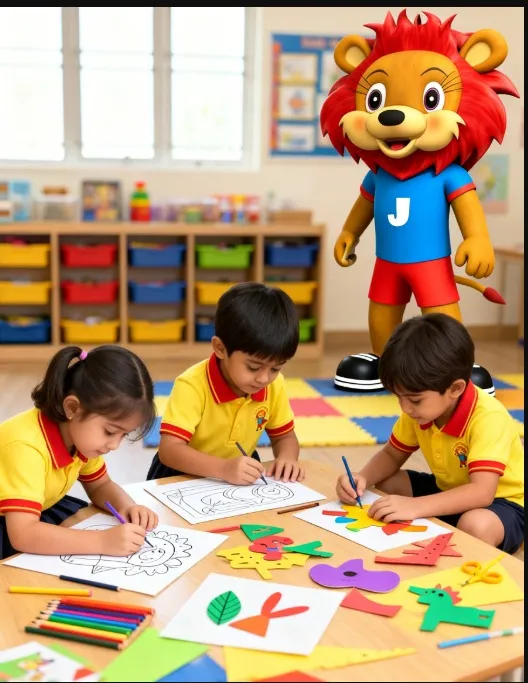
Transforming Early Learning with Montessori
The Montessori curriculum offers a powerful, child-centered approach to early education. It prioritizes self-directed exploration within a carefully prepared setting, helping young children grow intellectually, socially and emotionally. Increasingly, families and educators value Montessori for the way it builds independence, curiosity and critical thinking. Below, we explore the core Montessori principles, how classrooms support learning, measurable benefits for preschoolers, comparisons with traditional preschools, and the essential materials that bring this approach to life.
How Montessori Shapes Cognitive, Social, and Emotional Development
Montessori classrooms are set up to nurture a child’s natural curiosity and urge to learn. In a prepared environment, children choose activities that match their interests and developmental stage, which strengthens thinking skills through hands-on discovery. That same environment encourages cooperative play and builds emotional resilience by supporting independence and self-regulation. Because each child moves at their own pace, learning becomes more personalized — and that often leads to stronger overall outcomes.
What Is the Montessori Philosophy Behind Early Childhood Education?
At the heart of Montessori is a simple belief: children learn best when they are free to follow their interests in a supportive, well-organized space. The approach leans on tactile, purposeful materials that suit different learning styles and on teachers who guide rather than command. Respect for each child’s natural development and rhythms creates opportunities for genuine curiosity, sustained focus, and self-directed progress.
This philosophy rests on the idea that a carefully structured freedom is what lets children thrive.
Montessori Pedagogy: Child-Led Learning & Prepared Environments
Montessori argued that education’s highest aim is to help children discover themselves and gain freedom. Children are born with what she called an “absorptive mind” that soaks up experience; to unlock that potential, they need the right “keys” in a prepared environment. Given freedom within structure, children enter sensitive periods for learning and show strong motivation and happiness. When allowed to use materials freely and repeat activities, they build focused attention, mental endurance and deeper understanding.
A way to teach practical life skills in special education: Montessori pedagogy, AG Vatansever, 2019
How Montessori Promotes Child Autonomy and Development
Montessori promotes autonomy by offering children meaningful choices about their work. That child-led structure encourages ownership, responsibility and sustained engagement. Hands-on materials let children practice skills in real, practical ways while teachers observe, introduce new materials when appropriate, and quietly support each child’s path. The result is a learning culture that values independence alongside careful guidance.
Who Was Maria Montessori and What Is Her Educational Legacy?
Maria Montessori was an Italian physician and educator who developed this method in the early 20th century. Her work reframed the teacher’s role from information-deliverer to careful observer and facilitator of learning.
Her ideas about the prepared environment, holistic development and respect for the child continue to influence classrooms around the world.
Montessori Theory: Holistic Development & Prepared Environment
This review examines Maria Montessori’s (1870–1952) theory on holistic development in the early years (0–5). It highlights Montessori’s central concepts — whole-child development, learning through purposeful activity, the prepared environment, close observation and parent involvement — and considers where other early-years theorists might differ.
The Influences From Montessori to the Early Years Children, 1952
Montessori’s legacy remains relevant because it offers a coherent, child-focused framework that supports learning, independence and respect for each child’s pace of development.
Which Key Components Define the Montessori Preschool Curriculum?
The Montessori preschool curriculum is defined by a few consistent features that set it apart from conventional early-years programs. These include:
- Child-led Learning: Children select their activities, building independence and intrinsic motivation.
- Hands-on Materials: Purposeful, self-correcting materials invite exploration and concrete understanding.
- Mixed-age Classrooms: Multiage groupings encourage peer teaching, leadership and social growth.
Together, these elements create an active, individualized learning environment that supports the whole child.
What Are Practical Life Skills and Their Role in Learning?
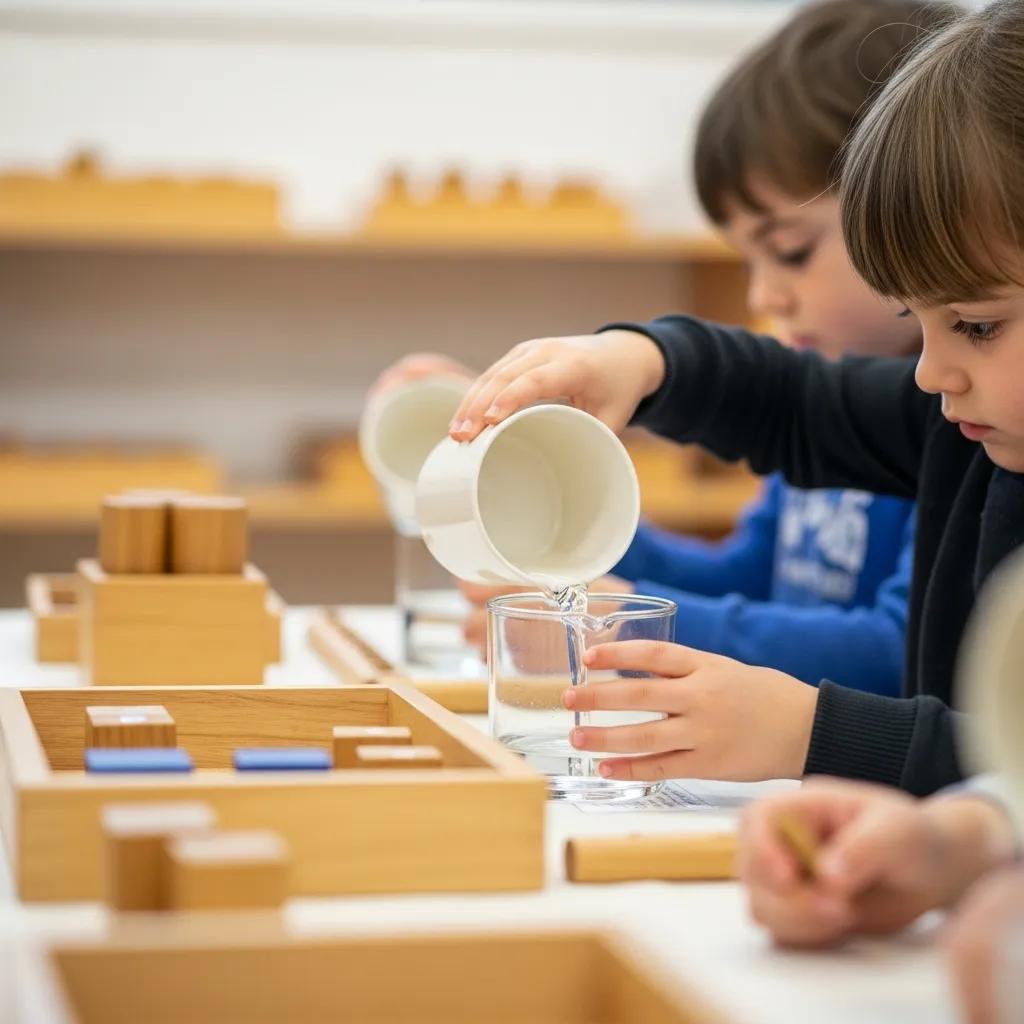
Practical life skills are core Montessori activities that teach everyday tasks—pouring, sweeping, dressing and caring for the environment. These exercises develop coordination, concentration and fine motor control while building independence and pride in competence. Mastery of practical life tasks lays the groundwork for more complex learning later on.
How the Montessori Classroom Environment Supports Early Learning
A Montessori classroom is intentionally arranged to invite exploration: low shelves, clearly defined work areas, and materials that are accessible and orderly. Natural light, simplicity and cleanliness help children focus. Because the space is designed for child use, learners can move, choose and return materials independently, which encourages sustained attention and a love of learning.
What Is the Role of the Teacher in Montessori Education?
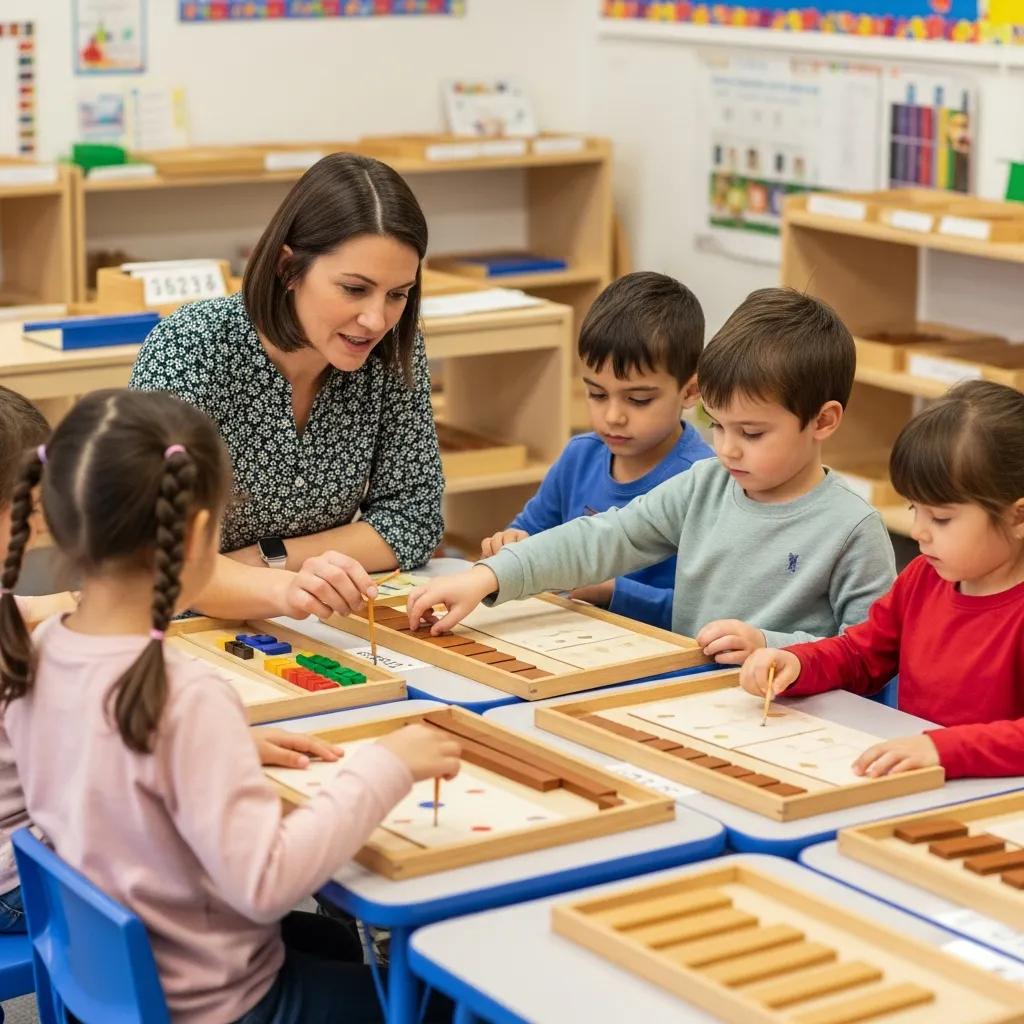
Teachers in Montessori settings act as guides and observers. They prepare the environment, introduce materials at the right moment, and step back to let children work independently. Through careful observation, teachers tailor support to each child’s development, creating a calm, respectful atmosphere where learning grows naturally.
How the Prepared Environment Fosters Independent Learning
A prepared environment is stocked with hands-on materials that invite self-directed activity. Children choose tasks that interest them, which boosts engagement and persistence. Teachers ensure resources are available and introduce new challenges when children are ready. This mix of freedom within structure builds cognitive skills and encourages positive social interaction.
What Are the Measurable Benefits of Montessori Learning for Preschoolers?
Research and classroom experience point to several measurable benefits for preschoolers in Montessori programs, including:
- Cognitive Development: Montessori students often show advanced problem-solving and early academic skills thanks to self-directed, concrete learning experiences.
- Social Skills Enhancement: Mixed-age groups and collaborative materials support communication, empathy and cooperation.
- Emotional Regulation: Independence and choice help children develop self-control, persistence and confidence.
These outcomes demonstrate how Montessori supports balanced, long-lasting development.
How Montessori Education Improves Executive Function and Social Skills
Montessori’s emphasis on concentration, responsibility and orderly work supports executive functions like working memory, flexible thinking and self-control. At the same time, shared spaces and cooperative tasks give children frequent practice with communication and social problem-solving—skills that serve them well beyond the preschool years.
Why Parents and Educators Prefer Montessori Methods
Many parents and educators choose Montessori because it blends academic readiness with social and emotional growth. The approach encourages curiosity, independent thinking and a positive attitude toward learning—qualities families see reflected in day-to-day behavior and long-term outcomes. For more on how we apply these methods, see Montessori methods at Shanti Juniors.
How Montessori Curriculum Compares to Traditional Preschool Approaches
Comparing Montessori to conventional preschools highlights several contrasts. Montessori puts the child at the center, favoring self-directed exploration and tactile materials, while traditional programs may rely more on teacher-led lessons and a fixed daily schedule. Montessori’s environment is crafted to promote independence and peer learning, whereas conventional settings often emphasize uniform instruction and group pacing.
Differences Between Montessori and Conventional Preschool Methods
The key differences are in pace, personalization and materials. Montessori tailors learning to each child’s readiness and uses self-correcting, hands-on tools; conventional curricula typically follow standardized lessons and timelines that may not match individual learning rhythms. These distinctions influence how children engage, practice and internalize skills.
How Learning Outcomes Vary Between Montessori and Traditional Settings
Evidence suggests notable differences in outcomes. Montessori students frequently show strengths in areas such as mathematics and literacy, alongside stronger social skills and behavioral regulation. These advantages are often attributed to the method’s emphasis on self-directed practice, mixed-age interaction and thoughtfully designed materials.
Overall, many studies report developmental benefits for children in Montessori settings compared with traditional approaches.
Montessori vs. Traditional: Cognitive & Social-Emotional Benefits
Research has found that Montessori students can show higher cognitive development—particularly in processing speed, working memory and perceptual reasoning—and tend to outperform peers in mathematics and language arts, while social competence and behavioral self-control also often score higher.
A comparative study of Montessori and traditional education approaches: Cognitive development and academic achievement, V Rizqi, 2024
What Montessori Teaching Materials Are Essential for Early Childhood Education?
Montessori materials are intentionally built to match children’s developmental needs. Essential categories include:
- Sensorial Materials: Tools that refine the senses and build cognitive discrimination through direct experience.
- Practical Life Materials: Everyday items that teach care, coordination and independence—pouring, buttoning, cleaning and more.
- Cultural Materials: Resources that introduce geography, history, science and the arts to broaden a child’s view of the world.
These materials create meaningful, hands-on learning opportunities consistent with Montessori principles.
Which Sensorial and Practical Life Materials Are Used in Montessori Classrooms?
Common Montessori tools include:
- Color Tablets: For visual discrimination and language about color.
- Pouring Sets: Practical life exercises that develop control and coordination.
- Geometric Solids: Tactile materials that introduce shape, space and vocabulary.
Used thoughtfully, these materials support exploration, concentration and conceptual understanding.
How These Materials Support Developmental Readiness
Montessori materials are matched to children’s natural interests and developmental stages. Sensorial tools sharpen perception; practical life activities build independence and fine motor skills. When materials meet a child where they are, learning becomes meaningful and prepares them for increasingly complex tasks.
How Prospective Franchisees Benefit from Investing in Montessori-Based Preschools
Investing in Montessori-based preschools can be attractive for franchisees because of growing demand for holistic, child-centered education. Montessori’s strong educational reputation and clear methodology can help attract families, while an established program model and training support ease the path to opening and running a successful center. For entrepreneurs, this represents both a mission-driven and potentially sustainable business opportunity.
Learn more about franchise opportunities at Shanti Juniors franchise support.
What Support and Training Does Shanti Juniors Provide to Franchisees?
Shanti Juniors supports franchisees with a suite of services designed for successful implementation, including:
- Setup Assistance: Help designing and equipping a Montessori-ready classroom and center.
- Teacher Training: Professional development so staff can implement Montessori methods confidently.
- Marketing Support: Tools and guidance to attract local families and grow enrollment.
This combination of operational, pedagogical and promotional support helps franchisees deliver high-quality Montessori education in their communities.
How the Montessori Curriculum Drives Profitability and Growth
The Montessori model can support growth by meeting strong parental demand for quality early education. Its clear outcomes and reputation for fostering independence and readiness appeal to families, which can translate into steady enrollment. With well-executed programming and community outreach, Montessori centers can build sustainable, long-term value.
To explore curriculum details, visit Montessori curriculum insights.
Common Questions and Misconceptions About Montessori Early Childhood Education
Despite its popularity, Montessori is sometimes misunderstood. Common questions include:
- Is Montessori just free play? No — Montessori balances freedom with clear learning goals and structured materials.
- Do children learn enough in Montessori? Research often shows Montessori students meeting or exceeding peers academically, thanks to focused, hands-on learning.
- Are Montessori classrooms chaotic? They may look less formal, but classrooms are intentionally organized to support concentrated, orderly work.
Clearing up these misconceptions helps parents and educators see how Montessori supports real learning and development.
Most Frequently Asked Questions About the Montessori Curriculum
Parents and educators frequently ask:
- What age groups does Montessori serve? Programs range from infancy through elementary levels, with materials and approaches tailored to each stage.
- How is progress assessed in Montessori? Progress is tracked through observation and individualized milestones rather than standardized tests.
- Can Montessori be integrated with other approaches? Yes — many schools combine Montessori principles with complementary educational philosophies to meet local needs.
For more information aimed at parents and educators, we provide admissions guidance and program details.
How Montessori Addresses Child Development Stages Differently
Montessori addresses development by honoring each child’s timing and interests. The curriculum is flexible: children explore topics in depth, practice skills until mastery, and progress when ready. This individualized, whole-child focus supports varied learning styles and cultivates a lifelong love of learning while building the skills children need for future academic and social success.