Discover the Best Preschool Franchise Opportunities in India
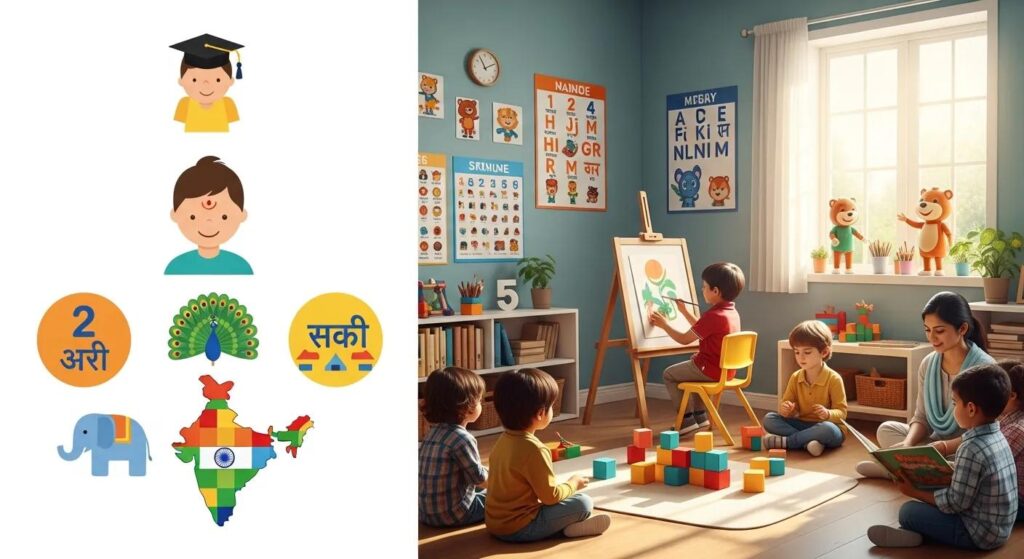
Leading Preschool Franchises in India
India’s preschool franchise sector is expanding as parents prioritise early learning. This guide gives investors a practical, investor-focused analysis of investment requirements, curriculum design and franchisee support. It sets out what it takes to open a centre, why Shanti Juniors is a viable market option and how it compares with established brands so you can assess operational realities alongside educational quality.
Over the past two decades the preschool franchise model has established itself as an attractive and profitable education‑sector business for entrepreneurs.
Preschool Franchise Investment Opportunities in India
Over the last two decades the preschool franchise model has become a favoured and lucrative opportunity for investors in the education market.
Cognitive development of children in private franchise preschool, RTA Kumari, 2017
Key Takeaways
- The preschool franchise sector in India is growing due to increased parental focus on early education.
- Shanti Juniors offers a structured curriculum and comprehensive support for franchisees.
- Initial investment for a Shanti Juniors franchise is approximately ₹10-15 lakhs.
- The curriculum emphasizes holistic development through diverse teaching methodologies.
- Franchisees receive extensive training, marketing assistance, and academic support.
- Government policies support preschool franchising with financial incentives and curriculum guidelines.
- Shanti Juniors focuses on values and character development alongside academic skills.
- Urbanization and parental awareness are driving demand for quality preschool education.
- Shanti Juniors provides brand recognition and community impact benefits for franchisees.
Shanti Juniors Preschool Franchise Overview
Shanti Juniors is an established preschool brand in India offering franchise opportunities . The model pairs standardised operational systems with academic guidance so franchisees can deliver consistent, quality early education. The brand targets entrepreneurs who want a balance of commercial viability and child‑centred pedagogy.
For investors this means a predictable rollout plan, documented classroom routines and branded materials that reduce time-to-open. Expect the franchisor to provide checklists, supplier lists and sample timetables so your operations team can follow tested procedures from day one.
Investment Requirements:

Plan for an initial investment of roughly ₹10–15 lakhs to launch a Shanti Juniors franchise. This typically covers site fit‑out, core infrastructure and initial operating costs. Exact allocation will depend on location and scale.
| Investment Aspect | Estimated Cost |
|---|---|
| Initial Investment | ₹10-15 lakhs |
| Setup Costs | ₹5,00,000 – ₹10,00,000 |
| Monthly Operational Costs | ₹30,000 to ₹1,00,000 |
These funds usually cover infrastructure, staff training and initial marketing, providing a near‑turnkey setup for new franchisees. Budget contingency capital for the first 6–12 months and prioritise early community outreach to accelerate enrolment. When modelling cash flow, separate one‑time capital items (fit‑out, furniture) from recurring items (salaries, utilities) and build a conservative scenario with slower initial admissions.
Curriculum Details:

Anchored in the mantra “Sanskaar, Sakshar, Saksham”, the curriculum delivers holistic development within a structured learning framework. It allows local adaptation while retaining core learning goals and assessment practices.
- Philosophy of Education : The curriculum is designed to foster values, literacy, and skills in children.
- Curriculum Structure : It follows the I-Cube Learning Ladder, a research-based framework that integrates various international educational methodologies.
- Teaching Methodologies : The program incorporates diverse teaching strategies to cater to different learning styles, ensuring that each child receives personalized attention.
The programme builds academic foundations and social and practical skills required for school readiness. Daily routines combine free play, guided activities, circle time and simple assessments to inform lesson planning and parent communication. Franchisees should expect sample lesson plans, age-banded activity lists and assessment templates from the franchisor to shorten planning time and support consistent delivery.
Support Offered to Franchisees
Shanti Juniors delivers structured support across operations, academics and marketing so franchisees can concentrate on classroom quality rather than administrative setup.
- Comprehensive Training : Franchisees receive training in pedagogy, operations, and safety protocols, ensuring they are well-prepared to manage their centers.
- Marketing Assistance : The franchise provides local marketing strategies and materials to help franchisees attract students effectively.
- Ongoing Academic Support : Regular audits and continuous professional development opportunities are offered to ensure that franchisees maintain high educational standards.
This support package reduces operational complexity. Regional mentoring and centralised procurement shorten lead times for curriculum resources and supplies. Expect the franchisor to offer onboarding coaching in the first months and periodic visits to help troubleshoot initial issues such as enrolment pacing, staffing or parent engagement.
Comparison with Other Leading Franchises:
Compare Shanti Juniors with other leading preschool brands against your priorities. Shanti Juniors emphasises a structured curriculum and franchisee support; competitors may offer different strengths such as larger networks or alternative pedagogies.
Some operators prioritise cutting‑edge pedagogy, while others offer wider marketing reach or established franchise networks. Visit sample centres to observe classroom delivery, teacher engagement and parent communication before deciding. Use a short visit checklist covering safety, teacher-to-child ratios, learning materials and visible routines to compare providers consistently.
What Are the Top Preschool Franchise Options in India?
Besides Shanti Juniors, several national preschool franchises operate in India; notable names include EuroKids, Kangaroo Kids and Kidzee.
- EuroKids : Known for its innovative curriculum and strong brand presence.
- Kangaroo Kids : Focuses on experiential learning and holistic development.
- Kidzee : Offers a wide network and established operational support.
Each brand targets different market segments. Assess fit by location, budget and the demographic profile of your catchment area — some models perform better in premium urban neighbourhoods, others in suburban or semi‑urban markets. When comparing, map local demand, price sensitivity and competing offerings to choose a model that suits your site and investment capacity.
How Does Shanti Juniors Stand Out Among Leading Preschool Franchises?
Shanti Juniors differentiates itself with an integrated curriculum, formalised training and ongoing marketing support. Franchisees commonly cite clear classroom guides and the brand’s values focus as decisive in parent conversations.
The emphasis on values and character development appeals to parents seeking holistic early education, while the franchise framework ensures operational consistency. Non‑core elements can be adapted locally without compromising core learning objectives. For example, language choices or festival activities can be localised while keeping assessment and pedagogy uniform.
Comparing EuroKids, Kangaroo Kids, and Other Market Leaders
EuroKids and Kangaroo Kids have strong brand recognition and distinct pedagogical strengths; Shanti Juniors combines a values‑driven philosophy with hands‑on operational backing. Ultimately, local execution and teacher quality determine centre reputation.
- EuroKids : Strong in brand recognition and innovative teaching methods.
- Kangaroo Kids : Emphasizes experiential learning and creativity.
- Kidzee : Offers a vast network and established operational frameworks.
Decide which mix of pedagogy, brand strength and operational systems aligns with your strategy. Speak with existing franchisees, request available performance metrics and check references before committing. Structured due diligence—covering margins, average enrolment ramp, teacher turnover and marketing ROI—helps set realistic expectations.
Why Choose a Shanti Juniors Preschool Franchise?
Financial requirements vary by brand and location. Typical ranges below reflect property costs, local wages and fit‑out standards you should budget for when evaluating opportunities.
- Initial Investment : Typically ranges from ₹20-50 lakhs.
- Setup Costs : Can be between ₹5,00,000 and ₹10,00,000.
- Operational Costs : Monthly expenses may range from ₹30,000 to ₹1,00,000.
These ranges provide a practical picture of capital requirements. Consider small business loans or equipment leasing and prepare a conservative cash‑flow forecast that models lower initial enrolment. Include a marketing ramp-up line to cover opening promotions and community activities that drive trial classes in the first three months.
What Are the Typical Investment Requirements for a Preschool Franchise?
Typical line items include one‑time setup costs, recurring operational expenses and a marketing budget. Maintaining a clear ledger for these items helps you track profitability.
- Initial Setup : Covers infrastructure, furniture, and educational materials.
- Operational Expenses : Include salaries, utilities, and maintenance.
- Marketing Budget : Essential for attracting students and building brand awareness.
Itemise costs to build a realistic financial plan and secure funding. Include break‑even timelines and sensitivity checks for enrolment and fee variations. Running monthly scenarios—optimistic, base and conservative—helps you see when the centre will reach a sustainable occupancy level.
How Does Shanti Juniors Support Franchisees Financially and Operationally?
Shanti Juniors provides financial guidance and operational resources to help franchisees reach sustainability and run centres efficiently. Advisory support shortens the learning curve for first‑time education entrepreneurs.
- Financial Guidance : Assistance in budgeting and financial planning to ensure sustainability.
- Operational Support : Ongoing training and resources to help franchisees manage their centers effectively.
These resources let you prioritise educational delivery while maintaining business viability. Franchisees typically receive budgeting templates, sample fee structures and local pricing advice. Use these templates to model local tuition rates, discount offers for siblings and break‑even thresholds so your pricing strategy supports both enrolment and margins.
How to Start a Preschool Franchise with Shanti Juniors?
Launching a Shanti Juniors franchise follows a clear, stepwise onboarding process.
- Application Process : Interested individuals must fill out an application form to express their interest.
- Initial Meeting : A meeting with the franchise team to discuss the business model and expectations.
- Site Selection : Assistance in selecting a suitable location for the preschool.
- Training and Setup : Comprehensive training and support during the setup phase.
The structured onboarding readies franchisees to open and operate centres with confidence. During site selection check local footfall, safe access for families and that the property meets zoning and safety requirements. Plan at least 8–12 weeks for fit‑out and staff recruitment, and use the franchisor’s supplier network to speed procurement of furniture, play equipment and learning materials.
What Are the Eligibility Criteria and Application Process?
Applicants must meet criteria covering education, finances and commitment to quality. The selection process evaluates business readiness and alignment with the brand’s educational values.
- Educational Background : A background in education or business management is preferred.
- Financial Capability : Ability to meet the initial investment requirements.
- Commitment to Quality : A strong desire to provide quality education and care to children.
The application is straightforward and designed to confirm fit with the brand mission. Be prepared to provide financial statements, a basic business plan and references during evaluation. If you lack direct experience in education, highlight operational or community skills and your plan to recruit qualified educators.
What Training and Operational Support Are Provided to Franchisees?
Shanti Juniors provides initial comprehensive training, regular updates and operational resources to maintain consistent quality. Training covers classroom delivery, administration and parent engagement.
- Initial Training : Covers all aspects of running a preschool, from pedagogy to administration.
- Ongoing Support : Regular updates and training sessions to keep franchisees informed about best practices and new developments.
- Resource Access : Franchisees have access to a wealth of resources, including marketing materials and educational content.
These systems help franchisees deliver consistent, high‑quality education. Additional supports include sample lesson plans, assessment templates and guidance on recruiting and retaining capable teachers. Prioritise staff induction and mentorship during the first term to reduce turnover and protect classroom quality.
What Is the Educational Philosophy and Curriculum Behind Shanti Juniors?
Shanti Juniors promotes a holistic, values‑driven approach that balances academic, social and emotional development. The philosophy emphasises respect, curiosity and confidence alongside literacy and numeracy outcomes.
- Holistic Development : Emphasizes the importance of nurturing values alongside academic learning.
- Research-Based Curriculum : The I-Cube Learning Ladder is grounded in research, ensuring effective learning outcomes.
- Diverse Methodologies : Incorporates various teaching methods to cater to different learning styles.
The curriculum mix aims to produce well‑rounded learners ready for future academic and personal challenges. Regular parent‑teacher communication and simple progress reports keep families involved in each child’s learning. Consider structured fortnightly updates and short, evidence-based tips for parents to reinforce learning at home.
How Does the Curriculum Promote Early Childhood Development?
The curriculum balances structured learning with flexibility to support varied developmental needs. It builds routines that promote independence, curiosity and cooperative play.
- Interactive Learning : Engages children through hands-on activities and collaborative projects.
- Skill Development : Focuses on developing critical thinking, creativity, and social skills.
- Value Education : Instills essential values that contribute to character building.
Children develop academic readiness alongside social and creative competencies. Assessment is primarily observational and developmental, preserving a play‑led ethos. Use simple rubrics and photographic portfolios to communicate progress to parents without heavy testing.
What Makes Shanti Juniors’ Approach Unique in India’s Preschool Market?
Shanti Juniors is notable for its deliberate emphasis on values and character education delivered alongside core academic skills. The branded curriculum plus franchisor support creates a consistent proposition for parents.
Coupled with structured franchise support, this approach helps maintain standards and builds parental trust. Many centres report stronger word‑of‑mouth referrals where family engagement and values are emphasised. Make family engagement a core part of your centre plan—regular workshops, open days and informal catch-ups build community and referrals.
What Are the Market Trends and Growth Opportunities for Preschool Franchises in India?
The preschool franchise market is expanding due to urbanisation, rising parental awareness and supportive government initiatives. Investors who combine strong curriculum, efficient operations and community engagement are well placed to scale.
- Urbanization : Increasing urbanization is leading to a higher demand for quality preschool education.
- Parental Awareness : Parents are becoming more aware of the importance of early childhood education, driving enrollment rates.
- Government Support : Various government initiatives are promoting early childhood education, creating a favorable environment for franchise growth.
These trends create clear opportunities for investors seeking scalable, impact‑oriented education businesses. Analyse local demographics and competitor services when planning growth and outreach. Use simple market checks—nearby schools, apartment complexes with young families, and local parent groups—to estimate catchment potential.
How Is Urbanization and Parental Awareness Driving Demand?
Urbanisation and rising parental awareness increase demand for accessible, quality preschool options in cities and suburbs. Parents seek safe, academically sound and values‑oriented settings close to home or work.
Research shows a marked parental preference for private preschools even when public alternatives are available without direct cost.
Parents’ Preference for Private Preschools in India
Children aged between 3 and 6 years attend either public or private preschools in India; despite public preschools being free of direct cost, many parents prefer private options. Based on a primary sample of 1369 children from 1369 households, this study explores the determinants of parents’ preschool choices between public and private.
Public or private? Determinants of parents’ preschool choice in
India, S Ghosh, 2020
As parents prioritise early learning, enrolment rates rise and the market becomes more favourable for franchise expansion. Community engagement, transparent communication and flexible timings are decisive advantages for new centres. Consider flexible session timings, trial classes and community events to reach parents who balance work and family commitments.
What Government Policies Support Early Childhood Education Franchising?
Government measures include financial incentives, curriculum frameworks and awareness campaigns designed to raise quality and improve access, especially in under‑served areas.
- Financial Incentives : Grants and subsidies for establishing preschools in underserved areas.
- Curriculum Guidelines : Frameworks to ensure quality education standards across preschools.
- Awareness Campaigns : Initiatives to promote the importance of early childhood education among parents.
These policies encourage investment and wider access to quality preschool services. Aligning a franchise with national guidelines helps with community acceptance and regulatory clearance. Keep a simple compliance folder with licences, safety certificates and staff qualifications to speed inspections and parent confidence.
Further research highlights the role of policies such as the National Education Policy 2020 in expanding equitable access and improving preschool quality nationwide.
Quality Preschool Education & NEP 2020 in India
This paper focuses on the provision of center-based preschool education for children ranging in age from 3 to 6 years in India. It estimates access rates to various services and highlights issues related to equitable access to preschool services and the quality of preschool education. While India has made great strides in improving access to preschool education, numerous challenges have to be addressed to enhance its quality. The National Educational Policy 2020 and the country’s commitment to meet UN Sustainable Development Goal Target 4.2 by 2030 and ensure that all girls and boys have access to quality pre-primary education provide opportunities to ensure equitable access to quality preschool education. Central to meeting national targets is the enforcement of the National Quality Standards for Early Childhood Care and Education.
Fostering equitable access to quality preschool education in India: Challenges and opportunities, N Rao, 2021
What Are Common FAQs About Preschool Franchising in India?
What Are the Legal and Operational Requirements for Franchisees?
Franchisees must obtain the necessary licences, comply with health and safety regulations and meet the franchise’s educational standards. Early consultation with local authorities and a compliance checklist speeds approvals and reduces opening delays.
- Licensing : Obtaining the necessary licenses to operate a preschool.
- Health and Safety Regulations : Adhering to safety standards to ensure a safe learning environment.
- Educational Standards : Meeting the curriculum and educational standards set by the franchise.
Compliance ensures legal operation while supporting educational quality. Keep accurate documentation, staff records and regular safety audits to maintain standards and parental confidence. A short onboarding checklist for staff and a visible compliance noticeboard in reception help reassure families during enrolment conversations.
How Do Franchisees Benefit from Joining Shanti Juniors?
Joining Shanti Juniors gives franchisees an established brand, tested operational systems and academic resources that support enrolment and centre performance. New owners gain access to proven opening plans and localised marketing playbooks.
- Brand Recognition : Leveraging the established brand reputation to attract students.
- Comprehensive Support : Access to training, marketing, and operational support.
- Community Impact : Contributing to the development of early childhood education in their communities.
These benefits make Shanti Juniors an attractive option for entrepreneurs seeking impact and commercial viability. Centralised content updates and shared procurement channels help reduce ongoing costs. Evaluate the franchisor’s performance metrics, ask for sample P&L templates and speak with multiple franchisees to validate claims.
To learn more about Shanti Juniors and its mission, visit their website.
Interested in admissions ? Shanti Juniors provides a straightforward enrolment process for parents.
For additional educational insights , explore the Shanti Juniors blog.
Frequently Asked Questions
What are the eligibility criteria for becoming a Shanti Juniors franchisee?
To become a Shanti Juniors franchisee, applicants should ideally have a background in education or business management. Financial capability to meet the initial investment requirements is essential, along with a strong commitment to providing quality education. The selection process evaluates the applicant’s readiness to align with the brand’s educational values and operational standards, ensuring a good fit for both parties.
How does Shanti Juniors ensure the quality of education across its franchises?
Shanti Juniors maintains educational quality through a structured support system that includes comprehensive training for franchisees, regular audits, and ongoing professional development. Franchisees receive access to a standardised curriculum and resources that promote best practices in teaching and administration. This framework helps ensure that all centers deliver consistent, high-quality education aligned with the brand’s values and objectives.
What marketing strategies can franchisees use to attract families to their preschool?
Franchisees can employ targeted social media campaigns, community events and free trial classes to engage potential families. Collaborating with local businesses and schools can enhance visibility. Additionally, leveraging parent testimonials and hosting open days or workshops builds trust and encourages enrolment, creating a strong community presence for the preschool.
What are the common challenges faced by preschool franchisees, and how can they be addressed?
Common challenges include fluctuating enrolment numbers, local competition, and maintaining consistent educational quality. To address these issues, franchisees should develop a robust business plan, actively engage with the franchisor for support, and implement effective marketing strategies. Regularly reviewing operational practices and seeking feedback from parents and staff can also help mitigate risks and improve overall performance.
How can franchisees adapt their operations to meet local community needs?
Franchisees can adapt their operations by localising non‑core elements of the curriculum, such as language and cultural references, to better resonate with the community. Engaging with parents and local educators for feedback is crucial. Additionally, running community programmes and events can foster relationships and ensure that the preschool meets the specific needs and expectations of local families.
What role does technology play in enhancing preschool education at Shanti Juniors?
Technology plays a significant role in enhancing preschool education by providing interactive learning tools, digital resources, and platforms for parent‑teacher communication. Administrative software can streamline processes such as enrolment and attendance tracking, allowing educators to focus more on teaching. Integrating technology into the curriculum can also engage children in innovative ways, making learning more dynamic and effective.
What are the long-term benefits of investing in a preschool franchise like Shanti Juniors?
Investing in a preschool franchise like Shanti Juniors offers long‑term benefits, including potential financial returns, a positive impact on the community, and personal fulfilment from contributing to early childhood education. As demand for quality preschool education continues to grow, successful franchises can achieve profitability and expand into multiple centres, creating opportunities for further growth and community engagement.
What are the key factors to consider when choosing a preschool franchise?
Evaluate reputation, depth of franchise support, curriculum clarity and total investment required. Confirm the franchise aligns with your educational philosophy and local market demand. Visiting operating centres and speaking with franchisees provides practical insight.
How can franchisees ensure compliance with educational standards?
Stay updated with franchisor and local authority guidelines, attend training, run internal audits and collect parent and staff feedback. Use simple checklists and periodic teacher observations to maintain consistent quality.
What marketing strategies are effective for attracting students to a preschool franchise?
Effective tactics include targeted social media, community events and free trial classes. Partner with local businesses and schools, use parent testimonials and run open days and workshops to build trust and convert enquiries.
What are the potential challenges faced by preschool franchisees?
Common challenges are variable enrolment, local competition, maintaining consistent educational quality and controlling operational costs. A robust business plan and active franchisor support help mitigate these risks.
How does the franchise model impact the quality of education provided?
A franchise model supplies a standardised curriculum, teacher training and quality‑control processes. Final outcomes depend on the franchisee’s execution, teacher development and local adaptation of the programme.
Parental involvement strengthens learning outcomes. Engaged parents reinforce classroom learning at home, participate in activities and provide feedback that helps educators tailor programmes. Regular communication, parent‑teacher meetings and simple home activities support this partnership.
What are the long-term benefits of investing in a preschool franchise?
Long-term benefits include potential financial returns, positive community impact and personal fulfilment. With growing demand for quality early education, successful franchises can achieve profitability and expand into multi‑centre operations. Consider long-term planning for staff development and potential multi-centre management to capture scale benefits.
Conclusion
Investing in a Shanti Juniors preschool franchise pairs a structured curriculum with comprehensive franchisee support, helping you meet demand for quality early education while building a values‑led business. Prepare a conservative financial plan, visit existing centres and confirm you have the operational capacity to prioritise education quality — these steps improve the odds of a sustainable operation.
Conclusion
Investing in a Shanti Juniors preschool franchise combines a structured curriculum with extensive support, meeting the growing demand for quality early education. This model not only promises potential financial returns but also fosters a positive community impact. By preparing a solid financial plan and visiting existing centres, you can enhance your chances of establishing a successful operation. Explore your options today to embark on a rewarding journey in early childhood education.