A Friendly Guide to Play Schools and Early Learning
Your Child’s First Steps — A Warm Guide to Play Schools & Early Learning
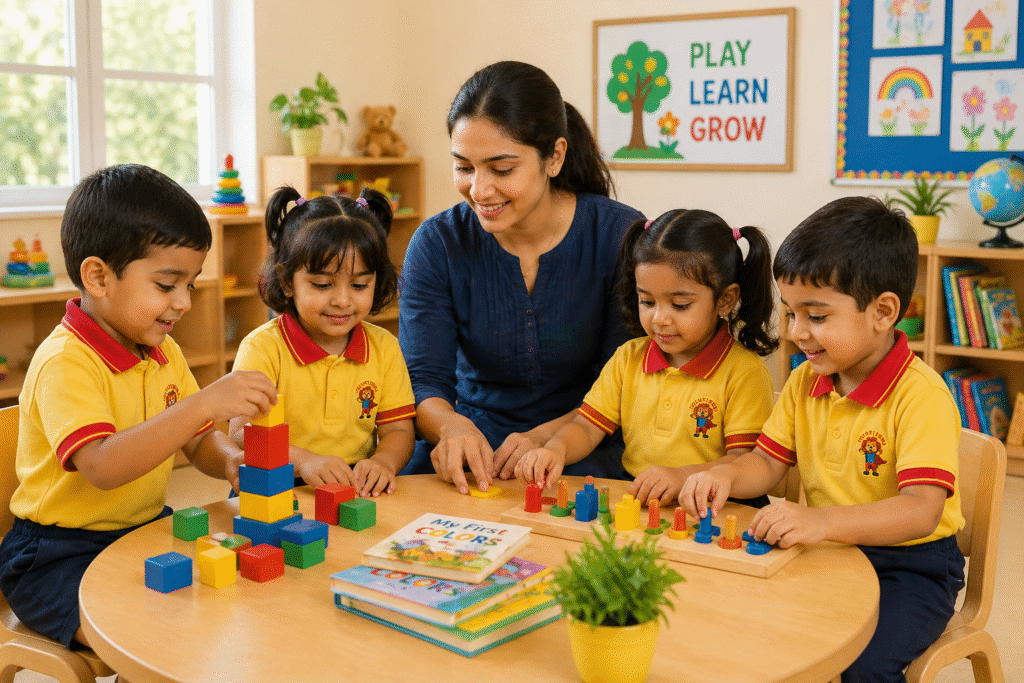
Play schools are more than a place to pass the day — they’re lively, caring spaces where curious little ones learn through play, hands-on activities, and everyday discovery. This guide is written for parents who want a clear, friendly overview of what play schools offer, how to apply, and what to look for when choosing the right setting for your child. With many choices available, it’s normal to feel unsure. By outlining the benefits of play-based learning and offering practical tips for enrollment, we hope to make this decision easier and more joyful for your family.
What Play Schools Are — and Why They Matter
Play schools welcome children aged roughly 2 to 5 years and centre learning around play. That playful approach helps spark creativity, build social skills, and support early brain development in ways that feel natural and fun. Early childhood education lays the foundation for a lifetime of learning, and play schools give children a warm, encouraging place to explore at their own pace.
Early Childhood Programs: What to Know
Early childhood programs come in different styles, each emphasising various ways children grow — intellectually, socially, emotionally, and physically. Here are a few well-known approaches to help you spot what might suit your child:
- Montessori Schools: Give children freedom to choose activities and learn through hands-on materials.
- Reggio Emilia Schools: Emphasise collaboration and creative expression, often using art as a language for learning.
- Playway Approach: Puts play at the centre of learning so children develop naturally through games and exploration.
Knowing these philosophies can help you match a program to your child’s temperament and needs. For more information, visit our Educational Insight page.
How to Navigate the Enrollment Process
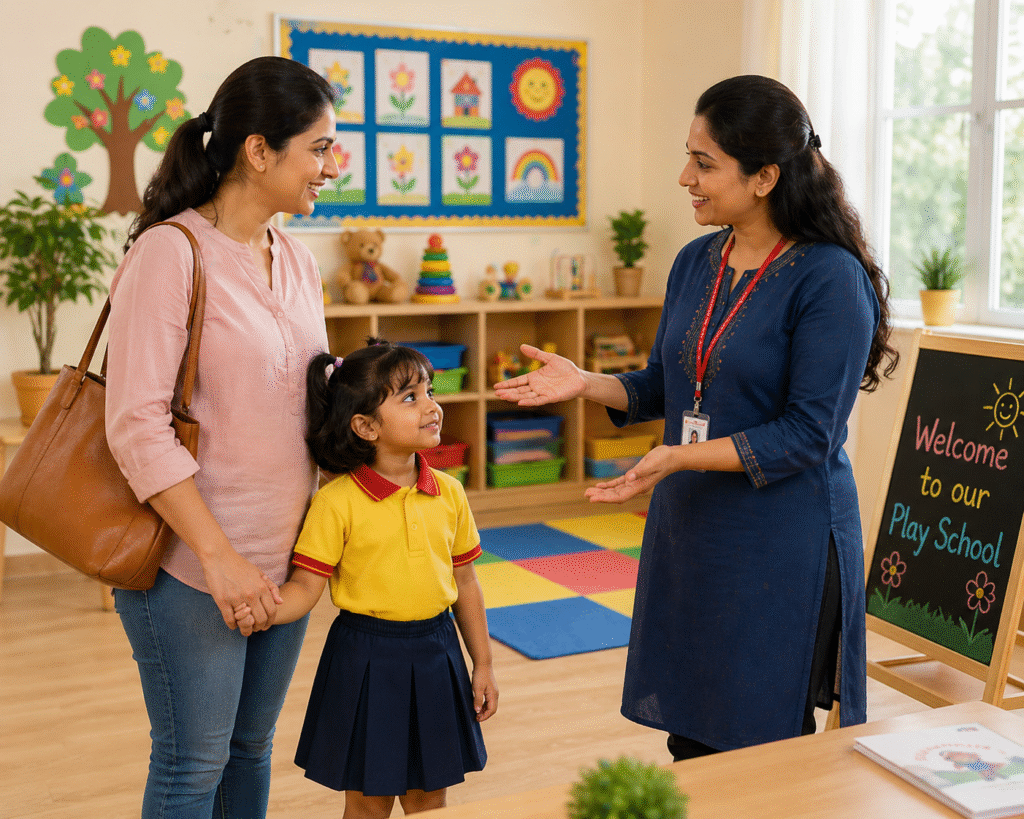
Signing up your child for a play school can feel like a big step, but knowing what to expect makes it straightforward. Each school sets its own age rules, paperwork needs, and deadlines. You’ll find full enrollment details on our Admission page.
To make things clearer, here’s a short explanation of what enrollment means:
What School Enrollment Means
School enrollment refers to the total number of children registered in schools across a region or country. The enrollment rate compares how many children of the official school age are enrolled with the total population of that age.
School enrollment, DP Baker, 2024
Step-by-Step: How to Enrol Your Child in a Play School
Use this easy checklist to guide you through enrolment:
- Research: Look at nearby play schools and note their approaches, schedules, and fees.
- Visit: Tour classrooms, observe activities, and meet the teachers.
- Prepare Documents: Gather essentials like birth certificate and vaccination records.
- Apply: Complete the application form and submit any required fees.
Important Dates & Documents
Keep these practical points in mind when you apply:
- Application Windows: Most schools accept applications in winter or spring for the next academic year.
- Meetings: Some schools invite parents and children for a brief interview or orientation.
- Paperwork: Double-check that all documents are complete and submitted before the deadline.
Choosing the Right Play School
Finding the right play school means checking a few key factors to ensure a good fit for your child:
- Teaching Style: Does the curriculum match how your child likes to learn?
- Teacher-to-Child Ratio: Smaller groups usually mean more individual attention.
- Daily Environment: Is the setting safe, welcoming, and well organized?
Getting Your Child Ready for Preschool
Small steps at home can make starting preschool smoother and more exciting. Try these tips:
- Encourage Play: Offer activities that foster creativity and simple problem-solving.
- Build Routines: Consistent daily habits help your child adapt to school life.
- Attend Orientation: Go to school events so your child becomes familiar with teachers and the space.
Trends Shaping Early Childhood Education
Early childhood education continues to evolve. Watch for these positive trends:
- Personalised Learning: Tailoring activities to each child’s interests and pace.
- Thoughtful Use of Technology: Combining digital tools with hands-on play to enhance learning.
- Whole-Child Focus: Balancing academic skills with social and emotional development.
What Play-Based Learning Is — and Why It Matters
Play-based learning puts play at the center of how children learn. It lets them experiment, explore, and make sense of the world while building essential skills.
Research shows play-based approaches support strong early development across many areas.
Why Play-Based Learning Works for Kindergarten
International studies find that play-based learning blends child-led exploration with teacher guidance, helping kindergarten children improve in literacy, numeracy, and social skills.
Benefits of Using Play-Based Learning in a Kindergarten Classroom, 2020
Key Elements of a Play-Based Curriculum
Core components of play-based learning include:
- Child-Led Exploration: Children follow their curiosity and interests.
- Hands-On Activities: Learning through touch, movement, and real materials.
- Social Play: Group activities that build communication and cooperation.
How Play Schools Support Your Child’s Growth
Play schools foster development through a partnership between teachers and families.
Supporting Play-Based Learning Together
This study examined teachers’ perspectives on play-based learning and found that a supportive school culture plus collaboration between home and school helps children flourish.
Towards holistic supporting of play-based learning implementation in kindergartens: A mixed method study, CPC Keung, 2019
- Cognitive Skills: Play encourages problem-solving and creative thinking.
- Emotional & Social Development: Children learn to manage feelings and build friendships.
- Physical Wellbeing: Active play develops motor skills and overall fitness.
How Play Schools Compare to Other Preschool Options
Understanding how play schools differ from other preschools helps you choose the best fit.
Montessori vs. Play Schools: The Difference
Here’s a quick comparison of the two approaches:
- Montessori: Emphasises self-directed learning with structured materials and individual work.
- Play Schools: Centre learning on play, offering more open-ended, creative experiences.
Finding Affordable, Quality Options Near You
When balancing cost and quality, consider:
- Fees: Compare tuition and any extra charges to suit your budget.
- Quality Indicators: Look for positive reviews, qualified staff, and recognised accreditation.
Thinking of Starting a Play School? Learn About Franchise Opportunities
If you’re considering opening a play school, franchising can provide structure and support. Find details about our process and backing on the Franchise page.
What Shanti Juniors’ Franchise Program Provides
Joining the Shanti Juniors family gives you:
- Comprehensive Training: Practical training on running the school and delivering the curriculum.
- Ongoing Support: Continuous guidance to help your centre stay high-quality.
- Local Impact: The chance to make a meaningful difference in your community.
Becoming a Franchise Partner: The Typical Path
Here’s what to expect when you apply:
- Apply: Share your interest and basic details to start the process.
- Train & Prepare: Complete training and set up your location for opening.
- Receive Support: Access resources and mentorship as your school grows.
What Parents Are Saying: Real Reviews and Ratings
Feedback from other parents can be a helpful part of your decision. Common praises include:
- Warm, Caring Atmosphere: Families appreciate the nurturing environment.
- Engaged Teachers: Attentive staff who connect with each child.
- Visible Progress: Many parents notice improvements in social and learning skills.
Parents Share Their Play-Based Learning Stories
Parents often tell us their children arrive excited for school and develop social confidence and curiosity through play-based programs.
Tips for Choosing the Best Play School for Your Child
Keep these priorities in mind when you decide:
- Safety First: Confirm the school maintains clear safety and hygiene standards.
- Qualified Staff: Look for experienced, caring educators who understand young children.
- Curriculum Fit: Choose a program that aligns with your family’s values and your child’s needs.