How to Choose the Best Preschool for Your Child
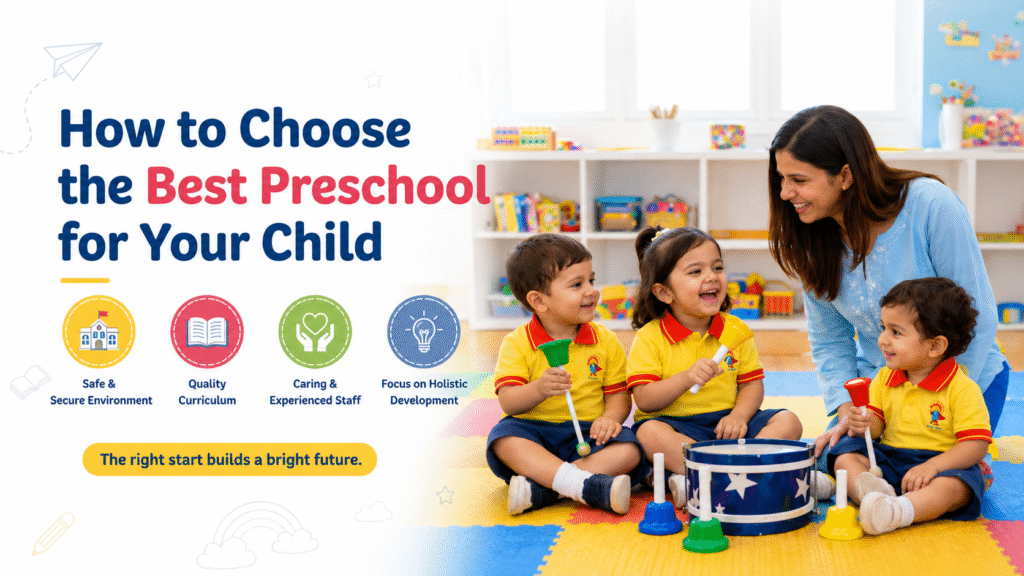
How to Choose the Best Preschool for Your Child: Expert Criteria and Proven Selection Strategies
Choosing the right preschool is a significant step in a child’s educational journey, influencing their social, emotional, and academic development. This comprehensive guide will help parents navigate the various factors that determine what constitutes the best preschool experience for their child. By exploring important criteria—such as safety standards, teacher qualifications, and specific program types—parents can make informed decisions that cater to their child’s unique needs and learning styles. Many families face challenges in identifying the ideal preschool, often leading to confusion and frustration. However, with a clear understanding of essential evaluation criteria and the admission process, parents can select a preschool that fosters a nurturing and enriching environment for their child. This article will delve into key aspects like safety standards, teacher qualifications, program assessments, and the overall learning environment, providing a roadmap that empowers parents in their search for the perfect preschool.
What Are the Essential Criteria to Evaluate the Best Preschool for Your Child?
To select the best preschool, parents must consider several essential criteria that will shape their child’s first educational experiences. Understanding these factors will help determine which preschool aligns with their child’s development and family values.
- Curriculum Quality: A strong curriculum promotes holistic development, blending academics with social-emotional learning.
- Teacher Qualifications: Educators should have appropriate certifications in early childhood education, along with relevant experience.
- Safety Standards: Standards must ensure a secure physical environment for children, emphasizing risk mitigation.
Evaluating these criteria will pave the way for identifying a preschool setting that supports children’s overall growth and learning.
How Do Preschool Safety Standards Impact Your Child’s Well-Being?
Safety standards within preschool settings are vital for protecting the health and well-being of young children. These standards encompass various aspects of facility management and child supervision to mitigate risks effectively.
A comprehensive safety protocol includes:
- CCTV Surveillance: Monitoring systems to enhance security and deter inappropriate behavior.
- Childproof Facilities: Ensuring all areas are safe and free from hazards that might endanger children.
- Emergency Protocols: Established procedures like evacuation drills to prepare for unexpected situations and ensure swift responses.
These safety measures are crucial in fostering a secure environment where children can learn and play freely.
What Qualifications and Certifications Should Preschool Teachers Have?
The qualifications and certifications of preschool educators play a pivotal role in a child’s early education experience. Highly qualified teachers are essential for providing quality instruction and nurturing development.
Key qualifications include:
- Early Childhood Education Certification: Certification is important as it assures that educators understand the developmental stages and needs of young children.
- Importance of Experience: Experienced teachers can implement effective teaching strategies and manage classroom dynamics more adeptly.
- Continuous Training Requirements: Ongoing professional development is necessary for educators to stay updated with best practices in early childhood education.
A well-qualified teaching staff is fundamental to creating an enriching preschool environment.
How Can You Assess Different Preschool Programs and Learning Environments?
Evaluating various preschool programs requires a careful assessment of each setting’s approach to learning and interaction. Parents should take a proactive role during the evaluation process to determine which program best suits their child’s needs.
Effective assessment strategies include:
- School Visits: Observing classrooms in action allows parents to gauge the learning environment and interaction levels.
- Engaging with Teachers: Conversations with educators help clarify teaching philosophies and approaches to discipline.
- Checking for Accreditation: Accreditation from recognized agencies ensures the program meets established educational standards.
These methods provide insights into how preschool programs foster child development effectively.
What Are the Benefits of Montessori, Play-Based, and Academic Preschool Programs?
Different preschool programs offer unique approaches to early childhood education, each with its benefits tailored to diverse learning styles.
- Montessori Preschools: Focus on child-led learning, allowing children to explore at their own pace, fostering independence and self-motivation.
- Play-Based Programs: Emphasizes learning through play, encouraging creativity and social skills in a relaxed atmosphere.
- Academic Preschools: Offer a structured curriculum with a focus on preparing children for formal schooling through early academic exposure.
Understanding these educational models helps parents align their children’s learning preferences with suitable preschool options.
How Does the Preschool Learning Environment Support Developmental Milestones?
A preschool’s learning environment plays a crucial role in supporting children’s developmental milestones, encompassing cognitive, social-emotional, and physical growth.
Essential aspects include:
- Importance of Play-Based Learning: Engaging activities stimulate cognitive development through exploration and interaction with peers.
- Structure and Routine Benefits: Consistent daily routines help children develop self-discipline and understand expectations.
- Holistic Child Development Approaches: Comprehensive curricula that integrate various developmental facets promote well-rounded growth.
A thoughtfully designed learning environment lays the foundation for children to thrive and achieve developmental milestones.
What Is the Admission Process for Selecting the Best Preschool?
The admission process for preschools can vary, but understanding the key steps can simplify the experience for parents. It is crucial to be informed about necessary actions and timelines. Many families find that thoroughly understanding the admission process simplifies securing a spot.
Key steps in the admission process include:
- Application Submission: Parents should gather required documentation and submit applications ahead of deadlines to secure a place for their child.
- Documentation Required: Essential documents might include proof of age, residency, and health records.
- Important Timelines: Being aware of application dates and enrollment periods will ensure that parents do not miss opportunities.
Being prepared during the admission process can significantly enhance the chances of securing a spot in a preferred preschool.
Which Documents and Age Criteria Are Required for Preschool Admission?
When applying for preschool, specific documents and age criteria are essential to ensure a smooth admissions process. Knowing these essentials can help parents efficiently compile the necessary information.
Commonly required documents include:
- Proof of Age: Birth certificates or other legal documents to confirm eligibility based on age benchmarks.
- Health Records: Immunization records or health check-ups may be necessary to ensure the child’s health compliance.
- Assessment Processes: Some preschools require developmental assessments to ensure children are ready for their programs.
Adhering to documentation requirements streamlines the admission experience.
How Should Parents Prepare for Preschool Visits and Interviews?
Preparation is key to making the most of preschool visits and interviews. Parents should approach these opportunities with a clear sense of purpose to effectively evaluate the preschool and make informed choices.
Preparation tips include:
- Research Admission Requirements: Familiarity with particular preschool requirements equips parents to ask relevant questions.
- Prepare Necessary Documents: Having paperwork organized ensures parents can provide all needed information promptly.
- Engage with Staff During Visits: Interacting with teachers and staff offers valuable insights into the preschool environment.
Being well-prepared can create a positive impression and help parents gather essential information during the visit.
Why Is Preschool Accreditation Important for Choosing the Right Early Education Center?
Accreditation is a critical factor in selecting a preschool, as it signifies adherence to established standards of quality in early education.
Key points regarding accreditation include:
- Educational Quality Assurance: Accredited preschools maintain a high quality of education through regular evaluations.
- Safety Standards Compliance: Accreditation ensures facilities meet necessary safety regulations, providing peace of mind for parents.
- Long-Term Developmental Benefits: Children in accredited programs often exhibit better preparedness for subsequent educational challenges.
Preschool accreditation serves as an indicator of quality, guiding parents in their selection process.
How Do Financial Considerations Influence the Selection of a Preschool?
Financial aspects play a significant role in preschool selection, with tuition fees varying greatly across different programs.
Crucial financial considerations include:
- Tuition Costs Research: Understanding the range of tuition can help parents identify preschools that fit their budget while still meeting quality criteria.
- Payment Plan Options: Many preschools offer flexible payment plans that accommodate various family financial situations.
- Value for Money Assessment: Evaluating the cost relative to the program’s offerings ensures parents make informed financial decisions.
Considering these financial factors will assist families in balancing quality education with budget constraints.
What Questions Should Parents Ask to Evaluate Preschool Quality During Visits?
During preschool visits, asking targeted questions can help parents gauge the quality and suitability of the program for their child.
Some essential questions include:
- Safety Measures Inquiries: What protocols are in place to ensure child safety and emergency preparedness?
- Teacher Qualifications Questions: What educational background do teachers have, and what ongoing training are they required to complete?
- Curriculum Quality Checks: How is the curriculum structured, and what learning outcomes are expected for different age groups?
Asking these questions helps parents make informed comparisons between preschools.
How to Assess Teacher Interaction and Classroom Atmosphere?
Observations regarding teacher interaction and the overall classroom atmosphere provide critical insights into the preschool environment.
Key aspects to assess include:
- Teacher Warmth: Relationships between teachers and students should reflect nurturing and supportive interactions.
- Classroom Atmosphere: The environment should appear engaging and conducive to learning, with resources and activities available.
- Evaluate Class Sizes: Smaller class sizes often result in better teacher-to-student ratios, promoting personalized attention.
A positive atmosphere and strong teacher-student relationships are foundational for fostering child development and learning.
What Safety and Sanitation Protocols Should Be Verified On Site?
Effective safety and sanitation measures are paramount for maintaining a healthy preschool environment. Parents should verify adherence to specific protocols during their visits.
Important protocols to inquire about include:
- Childproof Facilities Checks: Ensuring all physical spaces are safe and designed to minimize accidents.
- Health and Hygiene Practices: Regular cleaning schedules and handwashing protocols play a significant role in preventing illness.
- Emergency Protocols Inquiries: Familiarity with emergency procedures establishes confidence in the preschool’s ability to manage crises.
By verifying these protocols, parents can ensure their child will be in a caring and safe environment.
How Does Choosing a Franchise-Based Preschool Affect Consistency and Educational Standards?
Selecting a franchise-based preschool can impact educational consistency and provide specific advantages for families seeking quality early education. Understanding the benefits of a franchise-based preschool can be a key factor.
Key considerations include:
- Structured Support from Franchisors: Franchise models often include standardized procedures that enhance quality assurance across locations.
- Operational Guidelines: Preschools adhering to franchise guidelines typically align with established educational benchmarks.
- Potential Drawbacks of Franchises: Some franchise operations may prioritize profit over personalized education, which can affect program quality.
Understanding these factors allows parents to make more informed choices regarding preschool options.
What Operational Standards Ensure Franchise Quality Control?
Franchised preschools typically adhere to operational standards that foster effective learning environments for children.
Significant operational standards include:
- Standardized Curriculum: Consistency in educational content delivery across locations, ensuring familiar experiences for children who may transfer schools.
- Training and Support for Franchisees: Ongoing training programs equip educators with contemporary pedagogical strategies and practices.
- Quality Assurance Mechanisms: Regular assessments of program performance ensure adherence to educational and operational standards.
These operational factors contribute to the reliability of franchise-based preschool education.
How Does Franchise Support Benefit Parents and Children?
Franchise preschools can offer unique support structures that enhance the educational experience for both parents and children. The benefits of receiving franchise support can simplify operations and enhance learning.
Benefits of franchise support include:
- Access to Structured Support: Franchises may provide additional resources, training materials, and pedagogical expertise to teachers.
- Standardized Curriculum Benefits: A consistent educational framework translates into seamless transitions for children within the franchise network.
- Community Engagement Opportunities: Franchise preschools frequently organize events that encourage parental involvement and strengthen community ties.
The benefits of franchise support foster a solid foundation for positive early childhood education experiences.
What Are Recent Trends in Early Childhood Education That Influence Preschool Choice?
Understanding contemporary trends in early childhood education is essential for parents selecting preschools that align with modern educational standards and practices.
Key trends include:
- Focus on Personalized Learning: Increasing attention on individualized learning approaches caters to children’s unique needs and fosters optimal growth.
- Integration of Technology: Many preschools are incorporating age-appropriate technology to enhance learning experiences and digital literacy.
- Importance of Socio-Emotional Learning: Programs are increasingly focusing on developing children’s emotional intelligence and social skills alongside academic achievement.
Awareness of these trends equips parents with the knowledge to identify preschools that embrace progressive educational methodologies.
Why Is Socio-Emotional Learning Becoming Central in Preschool Curricula?
Socio-emotional learning (SEL) has gained prominence in preschool curricula, determining children’s ability to manage emotions, build relationships, and navigate social interactions.
Key aspects of SEL include:
- Development of Emotional Regulation: Programs designed to enhance children’s self-regulation skills can lead to improved behavioral outcomes and academic readiness.
- Fostering Communication Skills: SEL initiatives encourage children to articulate their thoughts, feelings, and ideas effectively, promoting healthy interactions.
- Long-Term Benefits for Children: Early exposure to socio-emotional competencies lays the groundwork for positive development throughout their educational journey.
Prioritizing SEL within preschool curricula reflects a holistic approach to child development, ensuring preparedness for life.