Top 10 Questions for Choosing the Best Preschool Programs
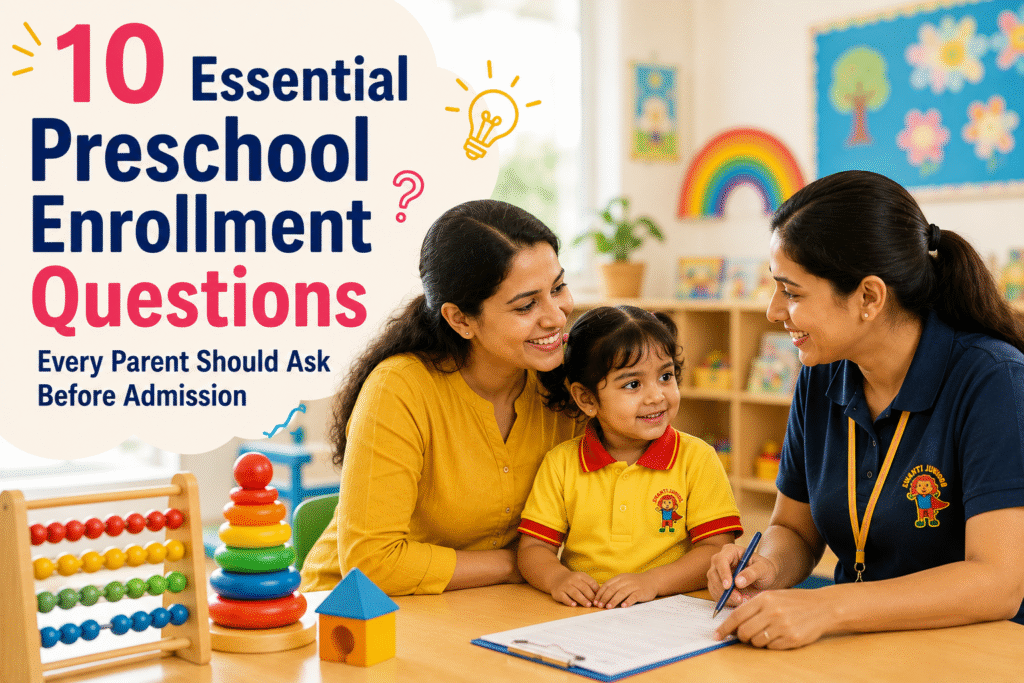
Choosing the right preschool for your child is a significant decision that can shape their early educational experience. As a parent, asking the right questions can help you evaluate various options and ensure that your child is placed in an environment that fosters their growth and development. This article will guide you through ten essential questions to consider before preschool admission, focusing on key criteria for preschool readiness, curriculum evaluation, and the importance of STEM programs. By understanding what to look for in a preschool, you can make an informed choice that aligns with your child’s needs and your family’s values.
What Are the Key Criteria to Evaluate Preschool Readiness?
Evaluating preschool readiness involves assessing several critical factors that indicate whether a child is prepared for the preschool environment. These criteria include developmental milestones, social readiness, and emotional readiness. Understanding these aspects can help parents determine if their child is ready to embark on this new educational journey.
How to Assess Your Child’s Developmental Milestones for Preschool

To assess your child’s developmental milestones, consider key areas such as language skills, motor skills, and cognitive abilities. Parents can use various tools, including developmental checklists and consultations with pediatricians, to evaluate their child’s progress. For instance, children should be able to communicate their needs, follow simple instructions, and engage in play with peers. Monitoring these milestones can provide valuable insights into your child’s readiness for preschool.
For a deeper dive into the concept of readiness and its various interpretations, consider this insightful research.
Assessing School Readiness: Interpretations and Methodologies
ABSTRACT: This paper addresses four interpretations of the term ‘readiness’ and the methods developed to assess children’s learning at the commencement of formal schooling. This is in response to the first of the National Education Goals (1991), which states, ‘all children in America will start school ready to learn.’ The idealist or nativist perspective posits that children’s academic proficiency is contingent upon their maturation. Conversely, the empiricist or environmental view defines readiness by proficiency in a specific skill set. The social constructivist perspective characterizes readiness as a function of the meanings and values ascribed by an individual school community. Each of these viewpoints presents dilemmas for young children’s learning and teachers’ instructional practices. The paper proposes a fourth perspective—the interactionist—as a means to resolve these dilemmas. This approach considers both children’s existing knowledge and the capacity of schools to adapt experiences for children who demonstrate varying levels of readiness.
Assessing readiness., SJ Meisels, 1998
What Safety and Health Standards Should Preschools Meet?
Safety and health standards are paramount when selecting a preschool. Parents should inquire about the regulations that preschools must adhere to, including health protocols, staff training, and emergency procedures. Ensuring that a preschool meets these standards can provide peace of mind and create a safe learning environment for children. Look for preschools that have clear policies on health screenings, sanitation practices, and staff qualifications.
Which Questions Should Parents Ask About STEM and Robotics Programs?
In today’s educational landscape, STEM (Science, Technology, Engineering, and Mathematics) programs are increasingly important. Parents should ask specific questions about the availability and quality of STEM and robotics programs in preschools. Understanding how these programs are integrated into the curriculum can help parents gauge the educational value offered.
How Do STEM Curriculums Benefit Early Childhood Education?
STEM curriculums benefit early childhood education by fostering critical thinking, problem-solving skills, and creativity. Engaging children in hands-on activities related to science and technology can enhance their learning experience and prepare them for future academic challenges. Research shows that early exposure to STEM concepts can lead to improved cognitive development and a greater interest in these fields as children grow.
What Robotics Activities Are Included in the Best Preschool Programs?
The best preschool programs often include a variety of robotics activities that encourage exploration and innovation. These activities may involve building simple robots, programming basic movements, and collaborating on projects with peers. Such experiences not only enhance technical skills but also promote teamwork and communication among young learners. Parents should inquire about the specific robotics activities offered and how they align with the overall curriculum.
How Can Parents Evaluate Preschool Curriculum and Teaching Approaches?
Evaluating a preschool’s curriculum and teaching approaches is essential for ensuring that it aligns with your child’s learning style and developmental needs. Parents should consider whether the curriculum is play-based, academic, or a combination of both, as well as how it supports social and emotional development.
What Are the Differences Between Play-Based and Academic Preschools?
Play-based preschools focus on learning through play, allowing children to explore and discover at their own pace. In contrast, academic preschools emphasize structured learning and formal instruction. Each approach has its benefits, and parents should consider their child’s personality and learning preferences when choosing between the two. A balanced approach that incorporates both play and academic elements may provide the most comprehensive learning experience.
How to Identify Programs That Support Social and Emotional Development
Programs that support social and emotional development often include activities that promote empathy, cooperation, and self-regulation. Parents should look for preschools that prioritize social skills through group activities, conflict resolution strategies, and emotional literacy programs. Identifying these indicators can help ensure that your child develops the necessary skills to navigate social interactions effectively.
What Should Parents Know About Preschool Enrollment and Summer Camp Options?
Understanding the enrollment process and available summer camp options is crucial for parents planning their child’s preschool journey. Parents should familiarize themselves with the admission criteria, important deadlines, and the benefits of summer camps that focus on early STEM learning.
How to Choose the Right Summer Camp for Early STEM Learning
When selecting a summer camp for early STEM learning, parents should consider factors such as the camp’s curriculum, staff qualifications, and the types of activities offered. Look for camps that provide hands-on experiences in science and technology, as these can reinforce concepts learned during the school year. Additionally, consider the camp’s location, schedule, and overall environment to ensure it aligns with your family’s needs.
What Are Important Questions About Preschool Admission Processes?
Parents should ask several key questions regarding preschool admission processes, including the criteria for acceptance, application deadlines, and any required documentation. Understanding these aspects can help streamline the enrollment process and ensure that parents are well-prepared. Additionally, inquire about the school’s philosophy and how it aligns with your family’s values and expectations.