Tips to make your child eat fruits and vegetables
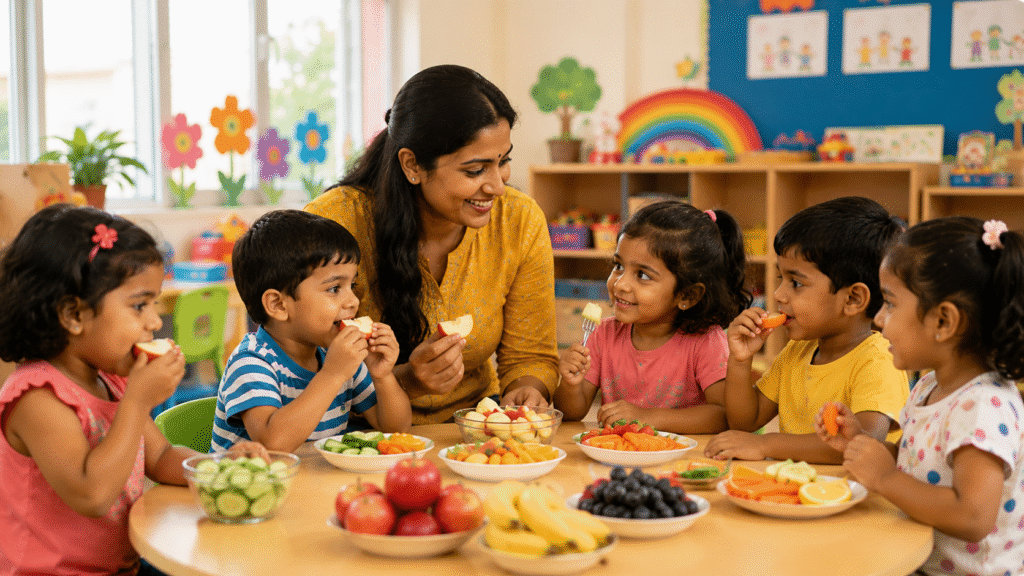
How to Encourage Kids to Eat Fruits and Vegetables: Effective Tips for Healthy Child Nutrition
Encouraging children to eat fruits and vegetables can be a challenging task for many parents. However, with the right strategies, it is possible to make these healthy foods appealing to kids. This article will explore effective tips to promote healthy eating habits in children, focusing on practical ways to enhance the appeal of fruits and vegetables. Parents often face the dilemma of picky eaters who refuse to try new foods, leading to concerns about their nutritional intake. By implementing engaging presentation techniques and involving children in food preparation, parents can foster a positive relationship with healthy foods. We will discuss various strategies, including creative snack ideas and parenting techniques that encourage healthy eating habits, as well as the importance of nutrition for child growth and development.
What Are Practical Ways to Make Fruits and Vegetables Appealing to Children?
Making fruits and vegetables appealing to children involves creativity and engagement. One effective strategy is to present these foods in fun and colorful ways. For instance, using cookie cutters to create shapes or arranging fruits and vegetables into fun designs can capture a child’s interest. Additionally, involving children in the preparation process can make them more excited about trying new foods. When children help wash, peel, or arrange their meals, they are more likely to feel a sense of ownership and curiosity about what they are eating.
How Can Presentation and Variety Increase Vegetable Intake in Kids?
The visual appeal of food plays a significant role in children’s willingness to eat vegetables. Bright colors and interesting shapes can make vegetables more enticing. For example, a rainbow salad with a variety of colorful vegetables can be visually stimulating. Moreover, offering a variety of textures and flavors can encourage children to explore different vegetables. Engaging children in choosing vegetables at the grocery store or farmers’ market can also increase their willingness to try them at home. By making vegetables fun and interactive, parents can significantly boost their children’s vegetable intake.
Which Healthy Snack Ideas Help Toddlers Enjoy Fruits and Vegetables?
Healthy snacks can be a great way to introduce fruits and vegetables into a toddler’s diet. Quick and easy snack options that incorporate these foods can make healthy eating more accessible. For example, pairing apple slices with peanut butter or yogurt can create a nutritious and appealing snack. Additionally, smoothies made with spinach, bananas, and berries can be a delicious way to sneak in vegetables without children noticing.
What Are Easy and Nutritious Fruit-Based Snacks for Toddlers?
Here are some easy and nutritious fruit-based snack ideas for toddlers:
- Fruit Salad: Combine a variety of fruits like strawberries, bananas, and grapes for a colorful and tasty treat.
- Fruit Smoothies: Blend fruits with yogurt or milk for a creamy, delicious drink that packs a nutritional punch.
- Fruit Kebabs: Skewer pieces of fruit on sticks for a fun and interactive snack that kids can help make.
These snacks not only provide essential nutrients but also encourage children to enjoy fruits in a playful manner.
How Do Parenting Strategies Encourage Healthy Eating Habits in Children?
Parenting strategies play a crucial role in shaping children’s eating habits. Modeling healthy eating behaviors is one of the most effective ways to encourage kids to adopt similar habits. When parents consistently choose fruits and vegetables as part of their meals, children are more likely to follow suit. Creating a positive mealtime environment, free from distractions, can also enhance children’s focus on their food and encourage them to try new items.
What Are Effective Solutions for Picky Eaters to Increase Vegetable Consumption?
Dealing with picky eaters can be challenging, but there are several effective strategies to increase vegetable consumption:
- Gradual Introduction: Introduce new vegetables slowly alongside familiar favorites to reduce resistance.
- Using Dips and Sauces: Offering dips like hummus or ranch dressing can make vegetables more appealing.
- Positive Reinforcement: Praise children when they try new vegetables, reinforcing their willingness to explore different foods.
These strategies can help parents navigate the challenges of picky eating and promote a more varied diet.
Why Is Child Nutrition Important for Growth and Development?
Child nutrition is vital for overall growth and development. Proper nutrition supports physical growth, cognitive development, and long-term health. Children require a balanced diet rich in vitamins and minerals to fuel their active lifestyles and support their developing bodies. A diet that includes a variety of fruits and vegetables can provide essential nutrients that contribute to a child’s well-being.
How Do Fruits and Vegetables Support Cognitive and Physical Development?
Fruits and vegetables are packed with vitamins, minerals, and antioxidants that are crucial for cognitive and physical development. For instance, vitamin C found in fruits like oranges and strawberries supports immune function, while leafy greens provide iron, which is essential for brain development. Additionally, the fiber in fruits and vegetables aids digestion and helps maintain a healthy weight. By incorporating a variety of these foods into their diets, children can benefit from improved cognitive function and overall health.
| Food Type | Nutritional Benefit | Key Vitamins |
|---|---|---|
| Fruits | High in antioxidants | Vitamin C, Fiber |
| Vegetables | Rich in minerals | Vitamin A, Iron |
| Both | Support growth | Various |
This table highlights the nutritional benefits of fruits and vegetables, emphasizing their importance in a child’s diet. By understanding these benefits, parents can make informed choices about their children’s nutrition and encourage healthier eating habits.