Find the Best Play Schools Near You
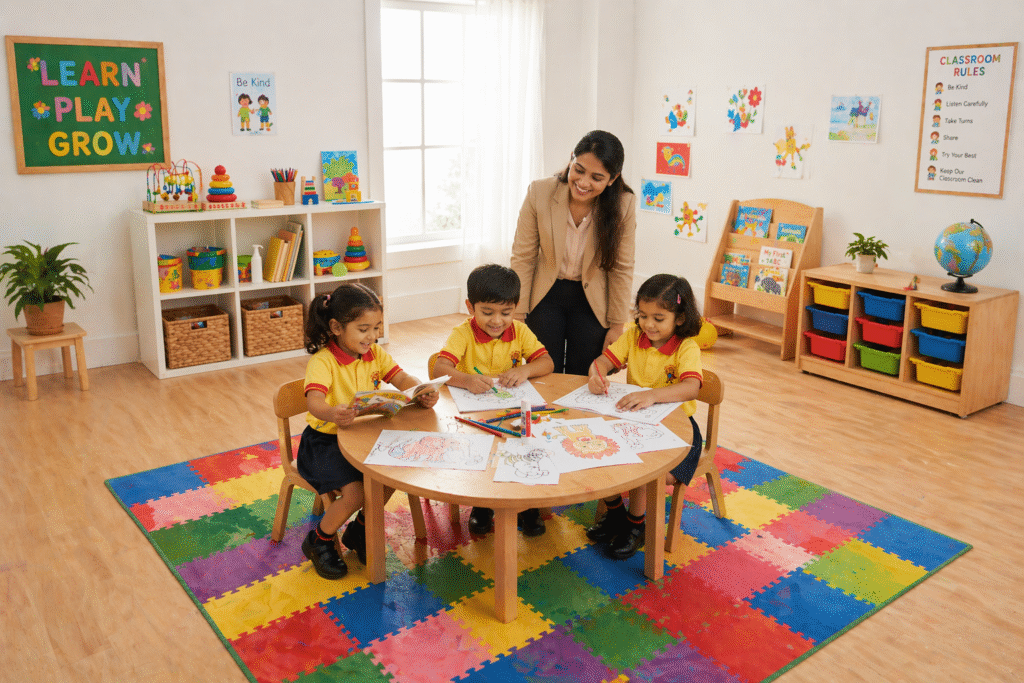
Find the Best Play Schools Near You: Guide to Preschool Admissions and Early Learning Centers
Choosing the right play school for your child is a significant decision that can shape their early learning experiences. Play schools and early learning centers provide a foundation for children’s social, emotional, and cognitive development. In this guide, we will explore what play schools are, how to select the best one for your child, and the admission processes involved. You will learn about key factors such as curriculum quality, safety standards, and teacher qualifications, as well as tips for successful enrollment. By the end of this article, you will be equipped with the knowledge to make an informed choice about the best preschools in your area.
What Are Play Schools and Early Learning Centers Near Me?
Play schools and early learning centers are educational environments designed for young children, typically aged 2 to 5 years. These institutions focus on fostering a child’s development through play-based learning, which is essential for their social and emotional growth. Play schools often emphasize hands-on activities that encourage creativity, exploration, and interaction with peers. Early learning centers may offer a more structured curriculum, integrating academic concepts with play to prepare children for future schooling. The benefits of early childhood education include improved cognitive skills, enhanced social interactions, and a strong foundation for lifelong learning.
Research consistently highlights the profound impact of play-based learning on a child’s cognitive development.
Play-Based Learning’s Impact on Early Cognitive Development
This article investigates the pedagogical impact of play-based learning on cognitive development in early childhood, using a quantitative research methodology. Framed within constructivist and sociocultural learning theories, the study explores how various forms of structured and unstructured play contribute to the development of core cognitive skills such as attention, memory, language, and problem-solving among Romanian preschoolers. Based on a representative sample of 100 educators from Dolj County, Romania, this research reveals strong correlations between play-centered pedagogy and perceived improvements in children’s cognitive performance. The findings underscore the importance of integrating purposeful, guided play into national preschool curricula and teacher training programs. Practical recommendations and directions for future research are also offered.
Play-based learning and cognitive development in early childhood: Pedagogical approaches and practical implications, E Lazar, 2025
How to Choose the Right Play School Near You?
Selecting the right play school involves careful consideration of several factors. Here are some essential steps to guide your decision-making process:
- Research Options: Start by compiling a list of play schools in your area. Look for reviews and ratings from other parents to gauge the quality of each institution.
- Visit Schools: Schedule visits to your top choices. Observing the environment and interacting with staff can provide valuable insights into the school’s culture and approach.
- Ask Questions: Inquire about the curriculum, teacher qualifications, and safety measures. Understanding how the school supports child development is crucial.
- Trust Your Instincts: Ultimately, choose a school where you feel comfortable and confident in the staff’s ability to nurture your child’s growth.
Key Factors to Consider: Curriculum, Safety, and Teacher Qualifications
When evaluating play schools, several key factors should be prioritized:
- Curriculum Quality: A well-rounded curriculum that balances play and learning is vital. Look for programs that incorporate various activities, including arts, music, and physical education.
- Safety Standards: Ensure that the school adheres to safety regulations, including secure facilities, childproofing measures, and emergency protocols.
- Teacher Qualifications: Qualified and experienced teachers are essential for providing quality education. Inquire about their training, certifications, and ongoing professional development.
| Factor | Description | Importance |
|---|---|---|
| Curriculum Quality | Balance of play and structured learning | High |
| Safety Standards | Adherence to safety regulations | Critical |
| Teacher Qualifications | Training and experience of educators | Essential |
These factors collectively contribute to a nurturing environment that supports children’s growth and development.
Ensuring robust health and safety standards is a critical component of providing a secure and effective learning environment.
Assessing Health & Safety Standards in Early Childhood Programs
The project aims were to (1) develop an observational Health and Safety Checklist to assess health and safety practices and conditions in early care and education (ECE) programs usingStepping Stones ToCaring For Our Children, 3rd Editionnational standards, (2) pilot test the Checklist, completed by nurse child care health consultants, to assess feasibility, ease of completion, objectivity, validity, and reliability, and (3) revise the Checklist based on the qualitative and quantitative results of the pilot study.
Health and safety checklist for early care and education programs to assess key national health and safety standards, A Alkon, 2016
Comparing Top Preschools in Your City: Montessori, Reggio Emilia, and More
Different educational philosophies shape the approach of various play schools. Here are some popular types:
- Montessori Schools: Focus on child-led learning, allowing children to explore at their own pace with hands-on materials.
- Reggio Emilia Approach: Emphasizes collaborative learning and encourages children to express themselves through various mediums, including art and play.
- Playway Approach Schools: Prioritize play as the primary mode of learning, fostering creativity and social skills through interactive activities.
Understanding these approaches can help you match your child’s learning style with the right preschool environment.
A deeper dive into these distinct educational philosophies can further assist parents in making an informed choice for their child’s early education.
Choosing the Best Preschool: Montessori vs. Reggio Emilia
This article aims to conduct a comparative analysis between early childhood traditional education and alternatives in primary education, such as the Maria Montessori method and Reggio Emilia approach. This article will be relevant and advisable for educators and parents to understand the key differences between each approach. There is no doubt that early childhood education plays an essential role in educating young minds. The question is how to find the best way to educate young children, what to choose: teacher-centered or child-centered models of teaching? Furthermore, from a parental view, the question is not only which method works the best, but also which one is more beneficial for “My Child”. Parents have difficulty choosing the right teaching option specifically for their children, which would help them become successful members of modern society in the future.
A comparative analysis between traditional and alternative early childhood education, such as the maria montessori method, reggio emilia pedagogical approach, 2023
What Is the Admission Process for Preschools Near Me?

The admission process for preschools typically involves several steps:
- Application Submission: Parents must complete an application form, providing essential information about their child.
- Interviews and Assessments: Some schools may require interviews or assessments to understand the child’s readiness for preschool.
- Documentation: Important documents, such as birth certificates and immunization records, are usually required during the application process.
- Notification: After reviewing applications, schools will notify parents of acceptance or waitlist status.
Understanding these steps can help streamline the enrollment process and ensure that you meet all necessary requirements.
Tips for a Successful Enrollment in Local Play Schools
To enhance your chances of securing a spot in your desired play school, consider the following tips:
- Start Early: Begin your search well in advance, as many schools have limited spots and early application deadlines.
- Prepare Documentation: Ensure that all required documents are ready and up-to-date to avoid delays in the application process.
- Engage with the Community: Attend school events or open houses to connect with staff and other parents, which can provide valuable insights and support.
These strategies can help you navigate the enrollment process more effectively.
Where Can I Find Affordable Early Education Options Nearby?
Finding affordable early education options is essential for many families. Here are some strategies to identify cost-effective preschools:
- Community Resources: Local community centers often offer preschool programs at lower rates.
- Financial Assistance: Some schools provide scholarships or sliding scale fees based on family income.
- Public Programs: Investigate state-funded preschool programs that may offer free or low-cost education for eligible families.
By exploring these options, you can find quality early education that fits your budget.
What Do Parents Say About Play Schools Near Me?
Parent testimonials can provide valuable insights into the quality of play schools. Here are some common themes found in reviews:
- Positive Experiences: Many parents highlight the nurturing environment and supportive staff as key factors in their child’s development.
- Curriculum Effectiveness: Parents often appreciate schools that offer a balanced curriculum, combining play with academic readiness.
- Community Engagement: Schools that foster a sense of community and encourage parental involvement tend to receive favorable feedback.
These insights can help you gauge the overall satisfaction of families with the schools you are considering.
How Do Play Schools Near Me Ensure Safety and Quality Education?
Safety and quality education are paramount in play schools. Here are some measures that schools typically implement:
- Safety Protocols: Regular safety drills, secure entry points, and childproofing measures are essential for protecting children.
- Quality Curriculum: Schools often follow state guidelines and standards to ensure that their curriculum meets educational benchmarks.
- Ongoing Training: Educators frequently participate in professional development to stay updated on best practices in early childhood education.
These practices contribute to a safe and enriching learning environment for children.
For parents considering a play school franchise, it’s essential to understand the commitment and responsibilities involved.
The admission process can vary, so it’s best to check with each school individually.
To learn more about the philosophy behind these schools, research their mission and values.
Additionally, educational insights can help parents make informed decisions about their child’s early education.